Response:
Solitary lung nodules are round or oval lesions, less than 30 mm in diameter, surrounded by healthy lung tissue, and not accompanied by other signs like collapsed lung or swollen lymph nodes.
Lung nodules can result from old infections, fibrous scars, or other benign conditions. The size of a lung nodule is a key indicator for doctors to assess the risk of malignancy, guiding decisions on monitoring or intervention.
Generally, lung nodules under 5 mm are categorized as low risk, with a malignancy rate below 1%. For nodules between 5 and 10 mm, the cancer risk gradually increases to approximately 6-28%. Nodules larger than 20 mm have a 60-80% chance of being malignant.
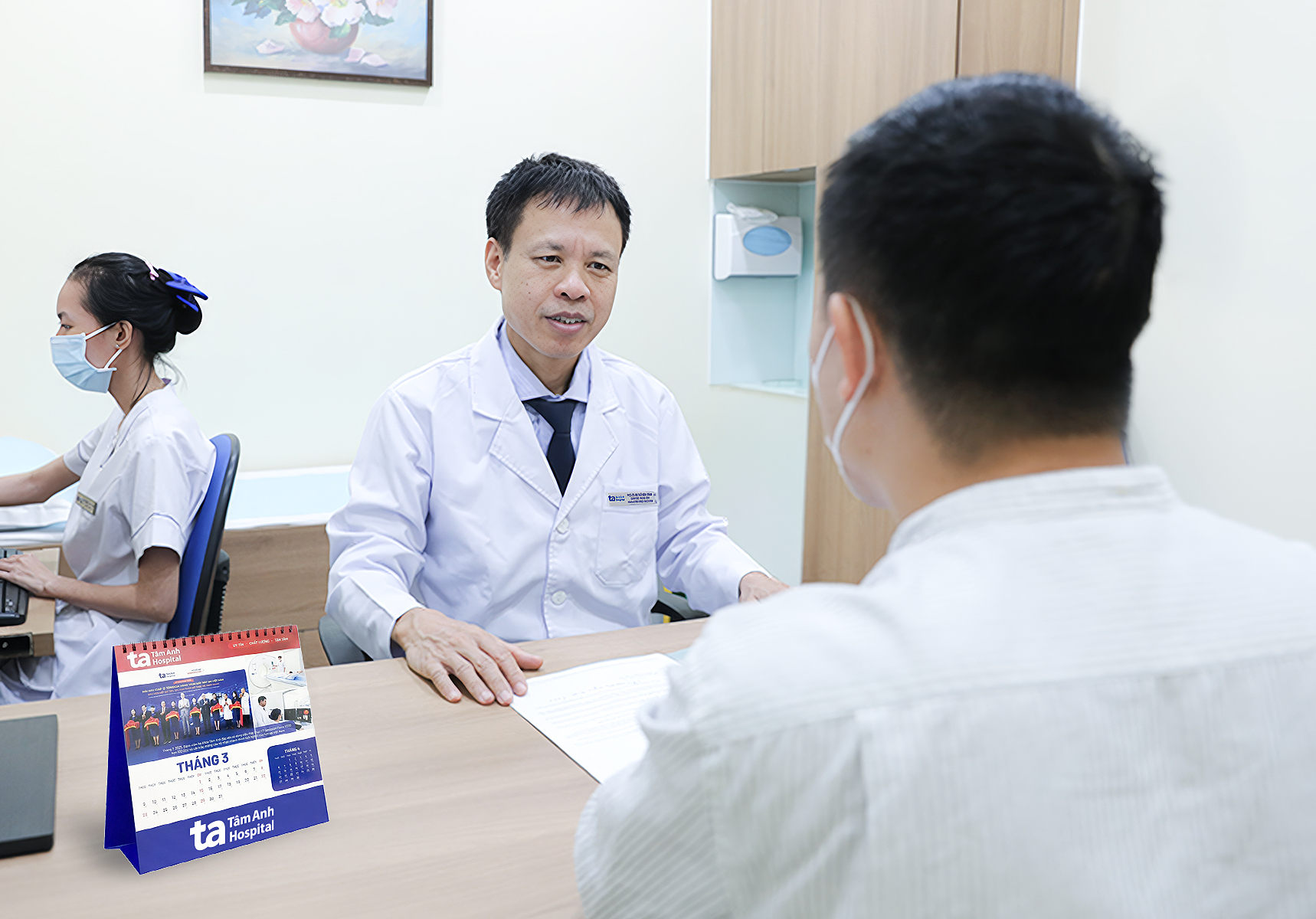 |
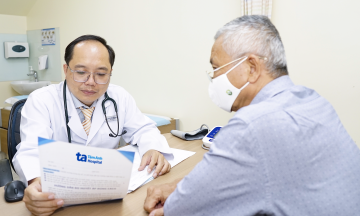
Associate Professor Vinh guides a patient on lung nodule monitoring. *Photo: Tam Anh General Hospital*.
Your 6 mm lung nodule falls into a group that requires monitoring, but its benign or malignant nature cannot yet be confirmed. You should seek a detailed medical examination.
Beyond size, doctors also evaluate nodule characteristics such as spiculation (spiky borders), solid versus ground-glass appearance, and growth rate over time. A lung nodule is concerning if it doubles in size within several months to 1 year. Individuals with a long history of smoking, those working in polluted environments, or those with a family history of lung cancer have a higher risk and require regular monitoring.
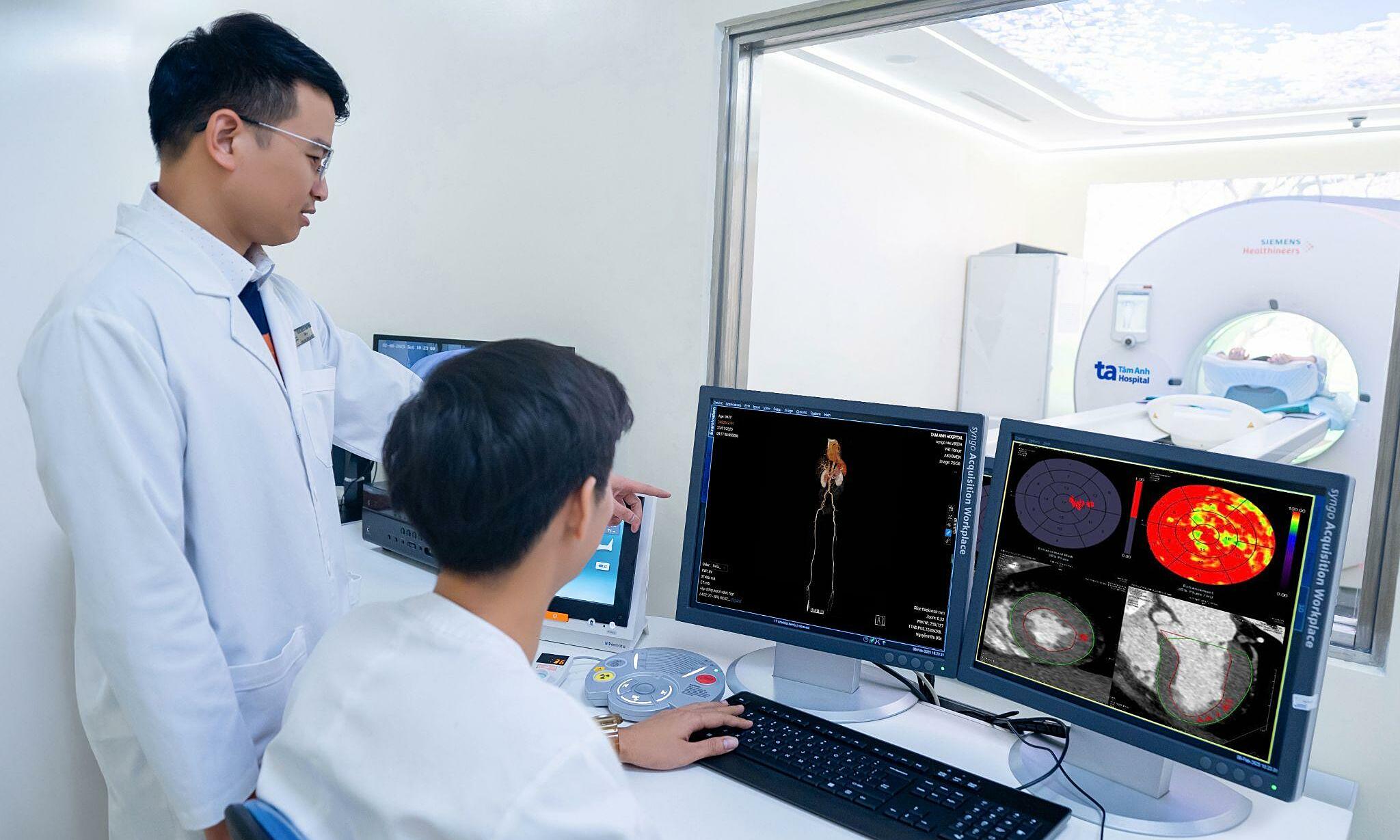
To accurately assess the nature of a lung nodule, doctors typically order low-dose chest CT scans every 6-12 months to compare changes. If a nodule remains stable for 2 years, it is likely benign. Conversely, if the nodule shows signs of growth or structural changes, doctors may recommend more advanced methods like PET/CT scans to evaluate cellular metabolism or a lung biopsy.
If a lung nodule carries a high risk of malignancy or is early-stage cancer, doctors may recommend video-assisted thoracoscopic surgery or robotic-assisted thoracoscopic surgery using the Da Vinci Xi system for the patient. Robotic technology assists surgeons in precisely dissecting tumors, preserving healthy lung tissue, and facilitating faster recovery with less post-operative pain for patients.
To prevent lung cancer, you should avoid smoking and steer clear of environments with tobacco smoke and fine dust. Maintain a healthy diet and exercise regularly to boost your immune system. Additionally, you must attend follow-up appointments at hospitals equipped for lung cancer screening to ensure you don't miss the "golden window" for treatment.
Associate Professor, Doctor Vu Huu Vinh
Director of Thoracic - Vascular Surgery Center
Tam Anh General Hospital, Ho Chi Minh City