Disc herniation occurs when the nucleus pulposus in the spinal disc protrudes from the annulus fibrosus, compressing nerve roots that control motor muscles. This condition often affects the lumbar vertebrae, causing pain and limiting lower limb movement.
Master of Science, Doctor Tran Thi Trinh, from the Musculoskeletal Department at Tam Anh General Hospital Ha Noi, explained that patients with severe and prolonged herniated discs, if not treated promptly and correctly, may experience leg weakness and atrophy due to several factors.
The herniated mass compresses lumbar nerve roots, obstructing signals from the brain to the muscles, causing muscle weakness. Initially, muscle groups may be temporarily weak, but if prolonged, severe nerve cell damage leads to impaired muscle control.
Reduced nourishment and blood circulation mean muscle groups receive less oxygen and nutrients, eventually causing muscle weakening and wasting.
Irreversible nerve damage can result from prolonged compression of lumbar nerve roots. Nerve fibers may be permanently damaged, leading to poor muscle function recovery.
Chronic back pain often leads to inactivity, causing muscles to shrink from disuse. Muscle atrophy results in loss of strength and motor function, worsening disc herniation symptoms and increasing pain.
 |
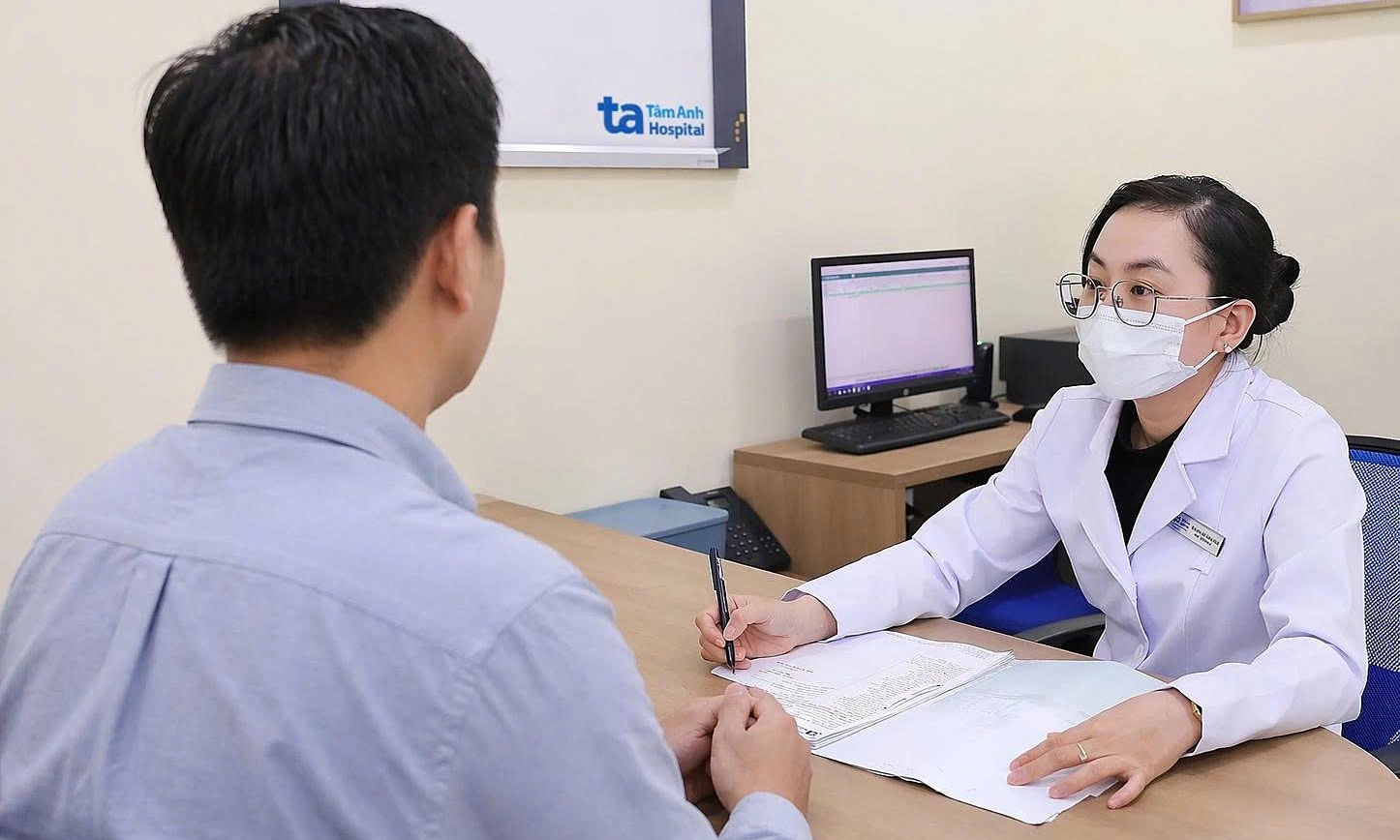
Doctor examines a patient's leg for disc herniation. *Illustration: Tam Anh General Hospital*
Doctor Trinh advises individuals with disc herniation who experience back pain radiating down the leg, numbness, tingling, or muscle weakness to seek a comprehensive evaluation at a multidisciplinary hospital. They should consult musculoskeletal specialists, spinal neurosurgeons, and physical therapy and rehabilitation experts. In early stages, when leg muscles are only mildly weakened and nerve roots are newly compressed, internal medicine combined with physical therapy and proper exercise can restore muscle strength and alleviate muscle atrophy.
Patients should adhere to their treatment plan and attend regular follow-up appointments, avoiding self-discontinuation of treatment or arbitrary changes to medication doses or exercise frequency. Adjusting lifestyle and strengthening back, abdominal, and leg muscles helps reduce pressure on the spine. A diverse, nutrient-rich diet with protein, calcium, vitamin D, and B vitamins supports the nervous and muscular systems.
Limiting heavy lifting, incorrect posture, alcohol consumption, and smoking can worsen the condition. When leg muscle atrophy is severe, with one leg significantly smaller than the other, patients may have permanent nerve damage, resulting in loss of signal transmission, sensation in the leg, and difficulty achieving full recovery.
Thanh Long
| Readers can submit questions about musculoskeletal conditions here for doctors to answer. |