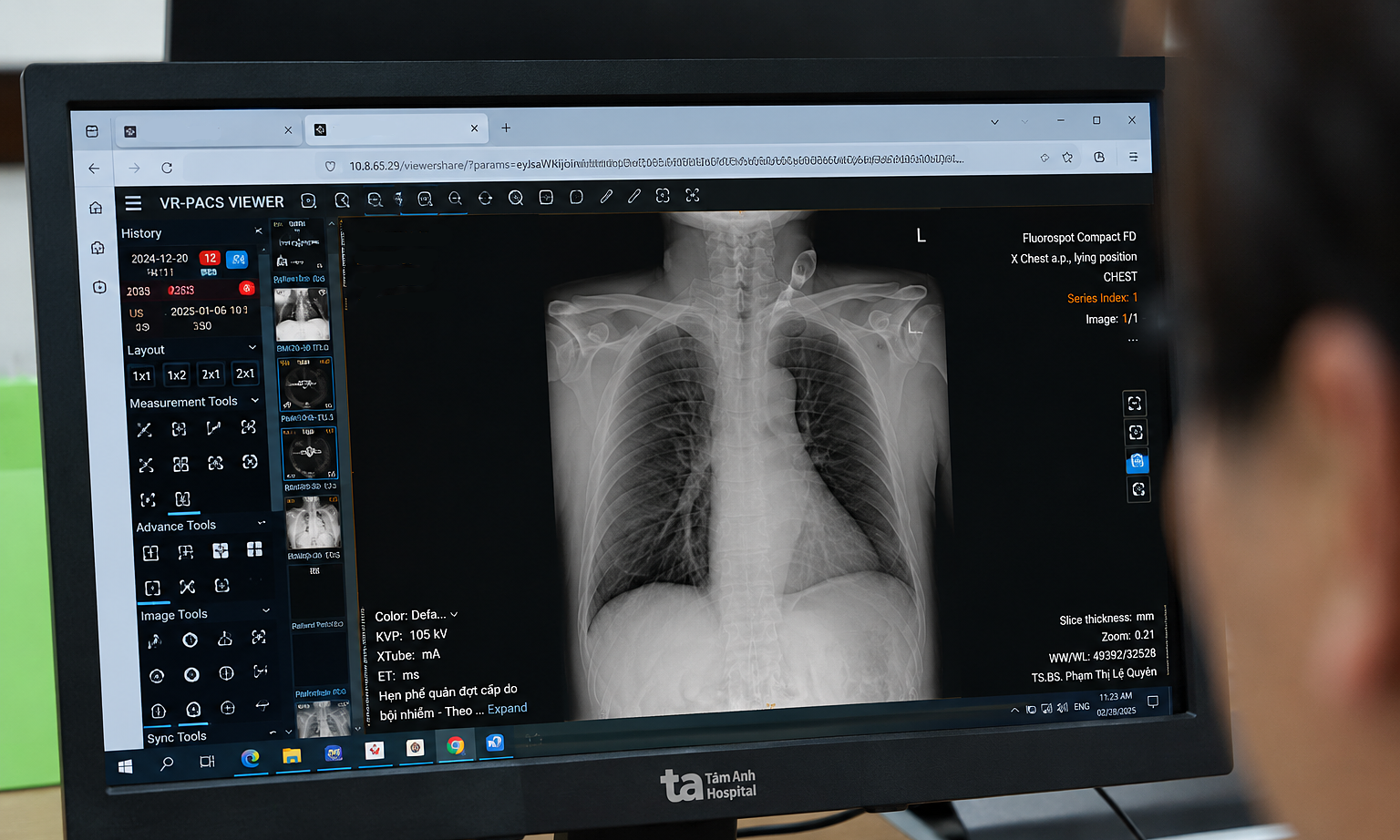
Huy, 38, presented with a persistent cough and shortness of breath that had lasted for over half a month. A CT scan performed at Tam Anh General Hospital, Ho Chi Minh City, revealed a thymic tumor situated in the superior mediastinum. The tumor was approximately 5 cm in diameter and had an irregular shape. Diagnosed with both a thymoma and autoimmune myasthenia gravis, Huy's complex condition necessitated a specialized surgical approach to address both diseases simultaneously.
Autoimmune myasthenia gravis is a chronic neuromuscular disorder characterized by the weakening of various muscles, including those in the face, jaw, eyes, bulbar region, and limbs. Associate Professor, Doctor Vu Huu Vinh, Director of the Thoracic and Vascular Surgery Center, explained that Huy was receiving cholinesterase inhibitors to improve neuromuscular transmission. However, prolonged use of these medications can lead to side effects such as muscle fatigue, drooping eyelids, and reduced mobility, complicating his overall health management.
According to Associate Professor Vinh, while traditional surgery might suffice for a standalone thymoma, Huy's case was complicated by the presence of both myasthenia gravis and a large thymic tumor, which typically measures 1-3 cm. This dual diagnosis made da Vinci Xi robot-assisted laparoscopic surgery the preferred option to minimize potential complications. Due to the patient's sensitivity to anesthetics and muscle relaxants, the medical team meticulously adjusted medication dosages and withdrawal times two months prior to the surgery. This careful planning aimed to prevent a post-operative myasthenic crisis, which could necessitate prolonged mechanical ventilation.
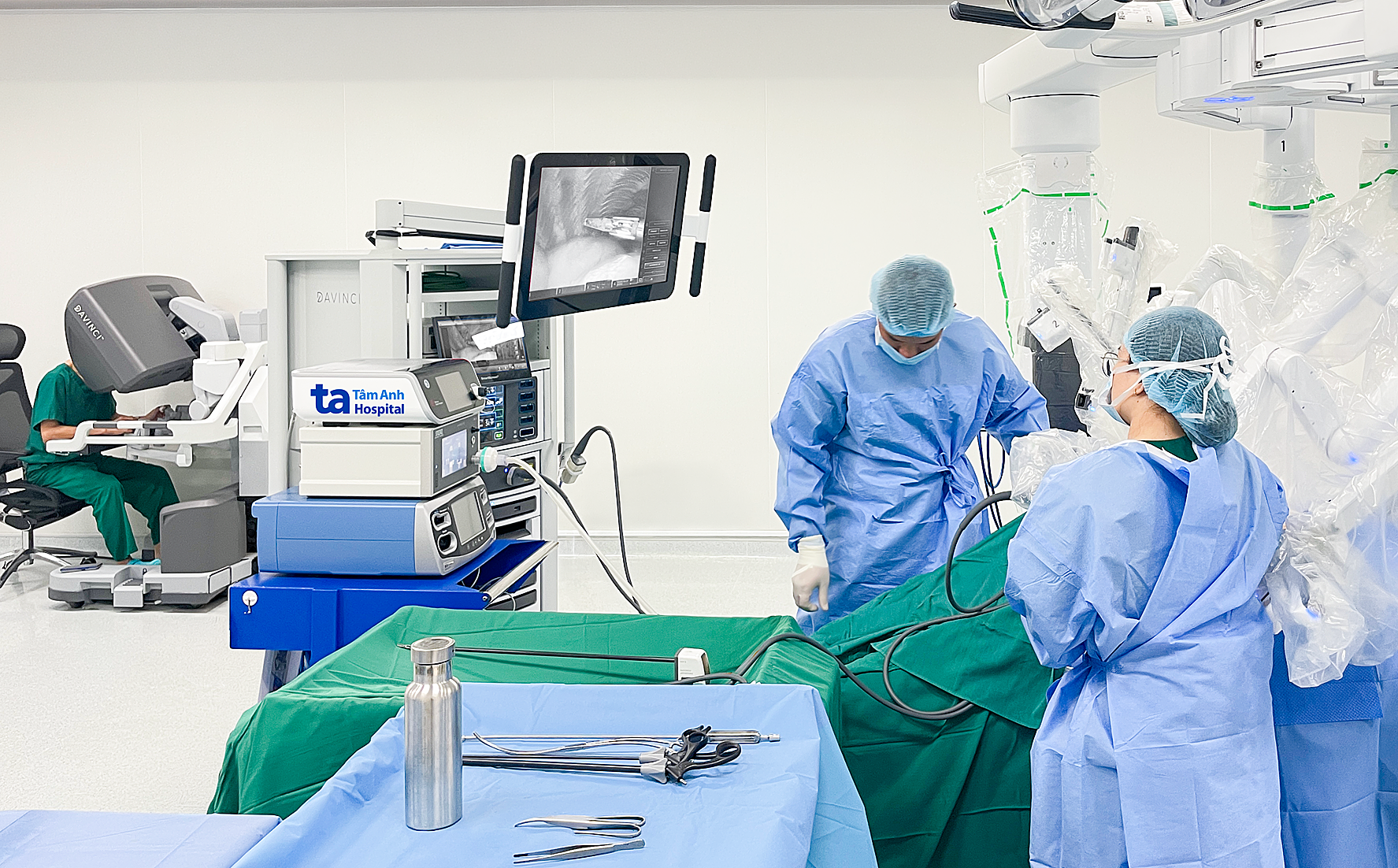 |
Associate Professor Vinh (left) operates the da Vinci Xi robot to resect a thymic tumor for a patient. *Photo: Tam Anh General Hospital*
During the procedure, Associate Professor Vinh skillfully controlled the robotic arms to dissect the thymus containing the tumor. This precise technique allowed for maximum preservation of surrounding vital organs, including the heart, lungs, and adjacent structures, thereby minimizing surgical trauma.
As initially predicted, Huy experienced a myasthenic crisis following the surgery. However, thanks to a pre-planned contingency, the patient promptly received hormone filtration and plasma exchange (hemodialysis) to effectively remove harmful antibodies from his system. After one week, Huy's health stabilized, the incision pain subsided, and he was discharged to continue with regular check-ups. While post-operative myasthenia gravis requires time to stabilize, the complete thymectomy performed with the robot significantly reduced his risk of malignancy and acute respiratory failure. Patients in similar situations require ongoing regular check-ups to monitor immune function and screen for any potential underlying medical conditions.
Myasthenia gravis is frequently associated with abnormalities of the thymus, such as thymomas. Its onset can be triggered by factors like stress, infection, or genetic predisposition. Currently, there are no specific preventative measures for this disease. However, early screening and adopting certain lifestyle changes can facilitate early detection and treatment, helping to prevent the condition from progressing to a severe stage.
Associate Professor Vinh advises everyone to undergo regular health check-ups for the early detection of any abnormalities. Patients undergoing treatment for myasthenia gravis should avoid psychological stress, refrain from overworking, and limit exposure to excessive heat. Additionally, they should exercise caution when using other medications for different medical conditions to prevent dangerous complications.
Bao Anh
*Patient's name has been changed.
| Readers can submit questions about cancer here for doctors to answer. |