


Doctor Nguyen Huy Hoang, from the Vietnam Underwater and Hyperbaric Medicine Association, explained that cold shock is the body's sudden reaction to unexpected exposure to cold air. Thermal receptors on the skin send urgent signals to the brain, activating the sympathetic nervous system. This activation causes a rapid increase in heart rate, constriction of blood vessels, and rapid breathing. Individuals with a history of cardiovascular or cerebrovascular disease are particularly vulnerable during this period, as it can easily trigger episodes of hypertension, cardiac arrhythmia, and even lead to stroke.
To help the body adapt safely and transform winter into a period of biological endurance, experts propose a comprehensive regimen covering nutrition and daily habits. Regarding diet, the doctor likens nutrition to the fuel that powers the body's internal heat generation. People should prioritize protein-rich foods such as beef, chicken, eggs, and fish, which help the body produce high amounts of heat and nourish muscles. Slow-release carbohydrates like brown rice, sweet potatoes, and whole grains provide lasting warmth and satiety. Additionally, incorporating warming spices like ginger, cinnamon, and garlic into daily meals stimulates blood circulation and effectively supports the immune and respiratory systems.
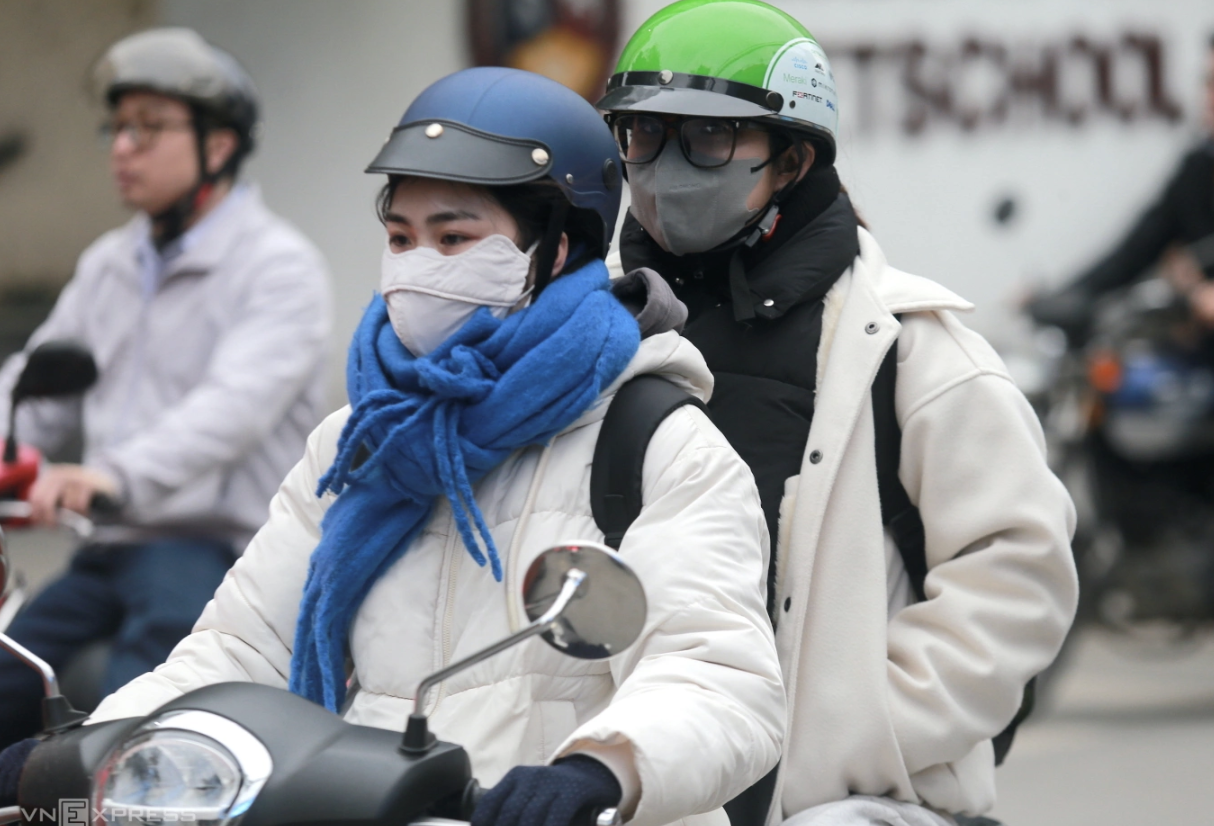 |
People commuting in the cold weather in Hanoi. *Photo: Gia Chinh*
In addition to nutrition, clothing techniques play a crucial barrier role. Doctor Hoang advises applying the rule of wearing multiple thin layers (layering) instead of one overly thick coat. The layer closest to the skin needs to be sweat-wicking, the middle layer should retain heat using wool or fleece, and the outermost layer serves to block wind and resist rain. Areas with significant heat loss, such as the head, neck, hands, and feet, need to be carefully covered with hats, scarves, and warm socks. This prevents heat loss from the extremities and protects the digestive and respiratory systems from drafts.
People can also proactively increase their endurance through breathing exercises such as the Wim Hof method or Qigong. The principle involves continuous deep breathing to alter pH and increase blood flow, helping the body generate internal heat. However, the doctor notes that deep breathing techniques with prolonged breath-holding can cause dizziness or fainting due to changes in blood gas concentrations. Therefore, these should only be practiced in a safe lying or sitting position. Individuals with cardiovascular conditions or a history of fainting must not apply these techniques independently but should consult a medical professional.
In daily life, many people often make dangerous mistakes such as drinking alcohol to warm up or burning charcoal in sealed rooms. The expert warns that alcohol dilates blood vessels under the skin, bringing heat from the body's core to the surface. This creates a false sensation of warmth but actually causes body temperature to drop faster. Burning charcoal for heating in a sealed room is strictly forbidden due to the risk of carbon monoxide poisoning, which can lead to death. Furthermore, keeping doors and windows closed around the clock will lead to the accumulation of bacteria and viruses; instead, it is advisable to open windows for 15-20 minutes at noon to allow air to circulate.
For the elderly and those with underlying health conditions, the morning wake-up routine needs to be performed slowly. The doctor advises against getting up immediately upon waking; instead, lie in bed for a few minutes, gently move limbs to allow the body to gradually adjust, then put on warm clothes and get out of bed. Outdoor exercise between 4 and 5 AM should be limited; it is safest to postpone it until after 7 or 8 AM or switch to light indoor exercise. If someone shows signs of hypothermia, such as severe shivering, pale skin, or confusion, family members should quickly move the victim to a sheltered area, remove wet clothing, warm critical areas like the chest, neck, and head, and call for emergency assistance promptly.
Thuy An


