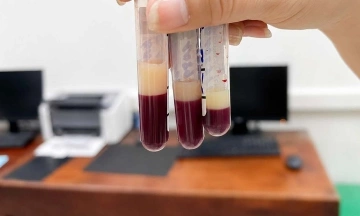
During a postnatal examination at Hong Ngoc General Hospital, a two-day-old boy displayed unusual skin redness and rapidly worsening jaundice. Given the mother's history of gestational diabetes and a monochorionic diamniotic twin pregnancy, doctors assessed the infant as having a risk of hematological and neonatal circulatory complications.
Doctors quickly determined this was not typical physiological jaundice. The medical team immediately ordered specialized hematological tests. Results showed hematocrit increased to 0,707 L/L, hemoglobin 260 g/L, platelets decreased to 92 G/L, and bilirubin exceeded the phototherapy threshold. These indicators clearly pointed to severe polycythemia, a condition affecting only one to two out of 1,000 newborns.
 |
Doctors observed signs of unusual jaundice in the infant. Photo: Hospital provided |
Doctor Nguyen Anh Thu, from the Department of Neonatology at Hong Ngoc Phuc Truong Minh General Hospital, explained that polycythemia occurs when the red blood cell count increases excessively. This condition thickens the blood, making it prone to blockages and reducing circulation to the brain and other vital organs.
"External symptoms are often unclear and easily mistaken for physiological manifestations in newborns, which can lead to complications such as thrombosis, respiratory failure, embolism, or multiple organ failure if not detected and treated promptly", Doctor Thu stated.
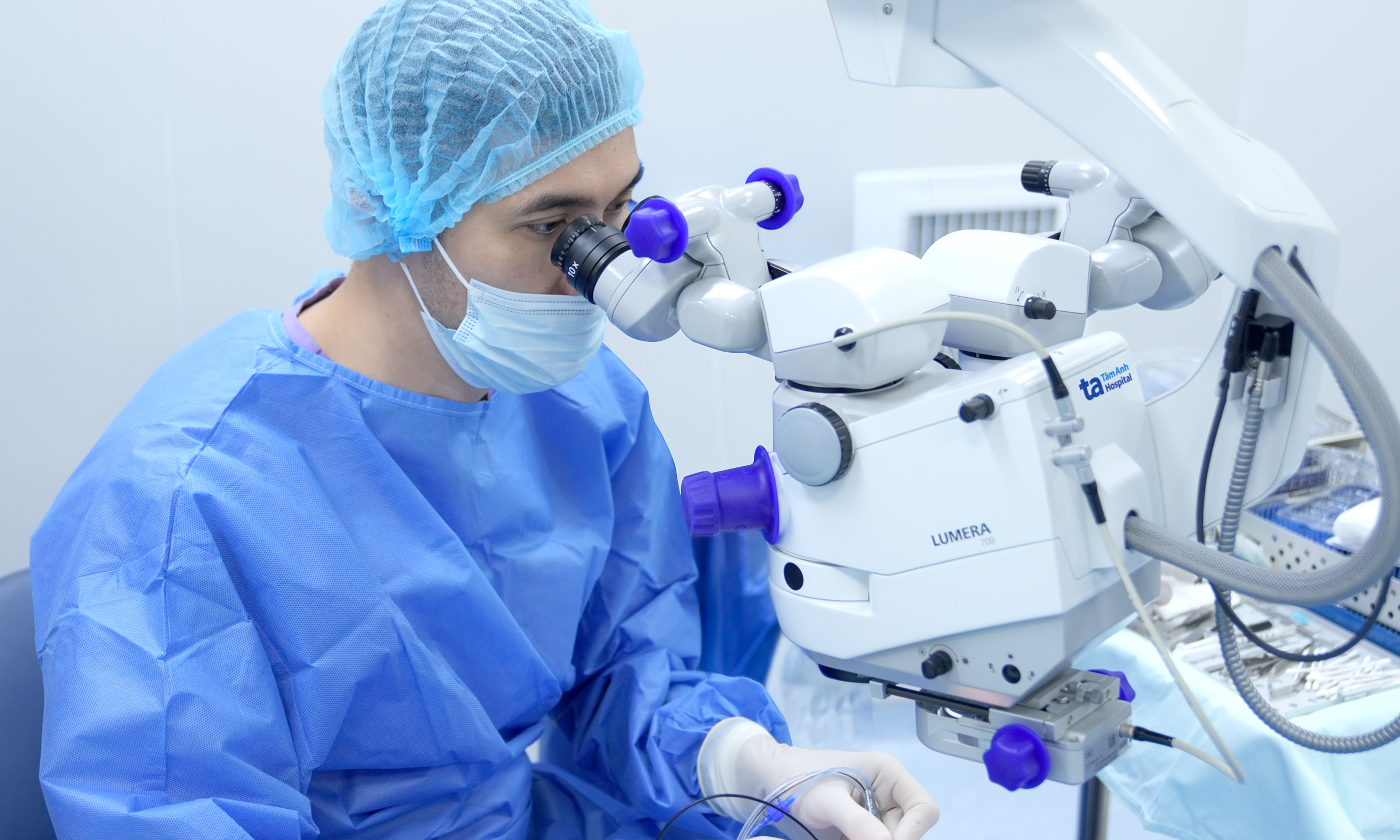
The infant was transferred to the neonatal intensive care unit (NICU) for intensive monitoring and treatment. However, the infant's hematocrit level continued to rise, accompanied by thrombocytopenia, coagulopathy, and hypocalcemia, which increased the risk of local thrombosis. The team decided to perform a partial exchange transfusion, a technique involving removing concentrated blood and replacing it with 0,9% sodium chloride to reduce blood viscosity, improve circulation, and enhance oxygen delivery to organs.
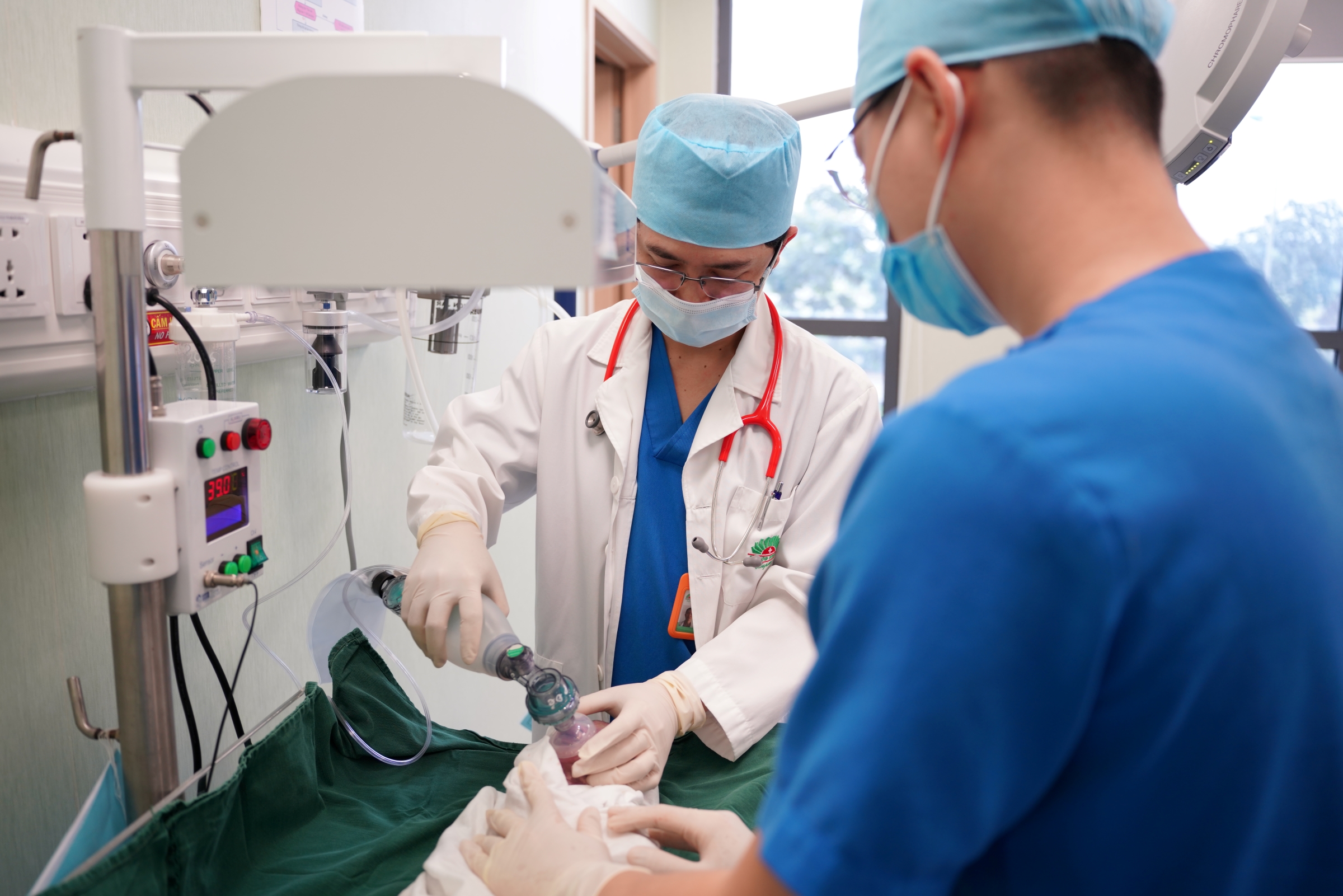 |
The team provided intensive monitoring and treatment for the infant in the NICU. Photo: Hospital provided |
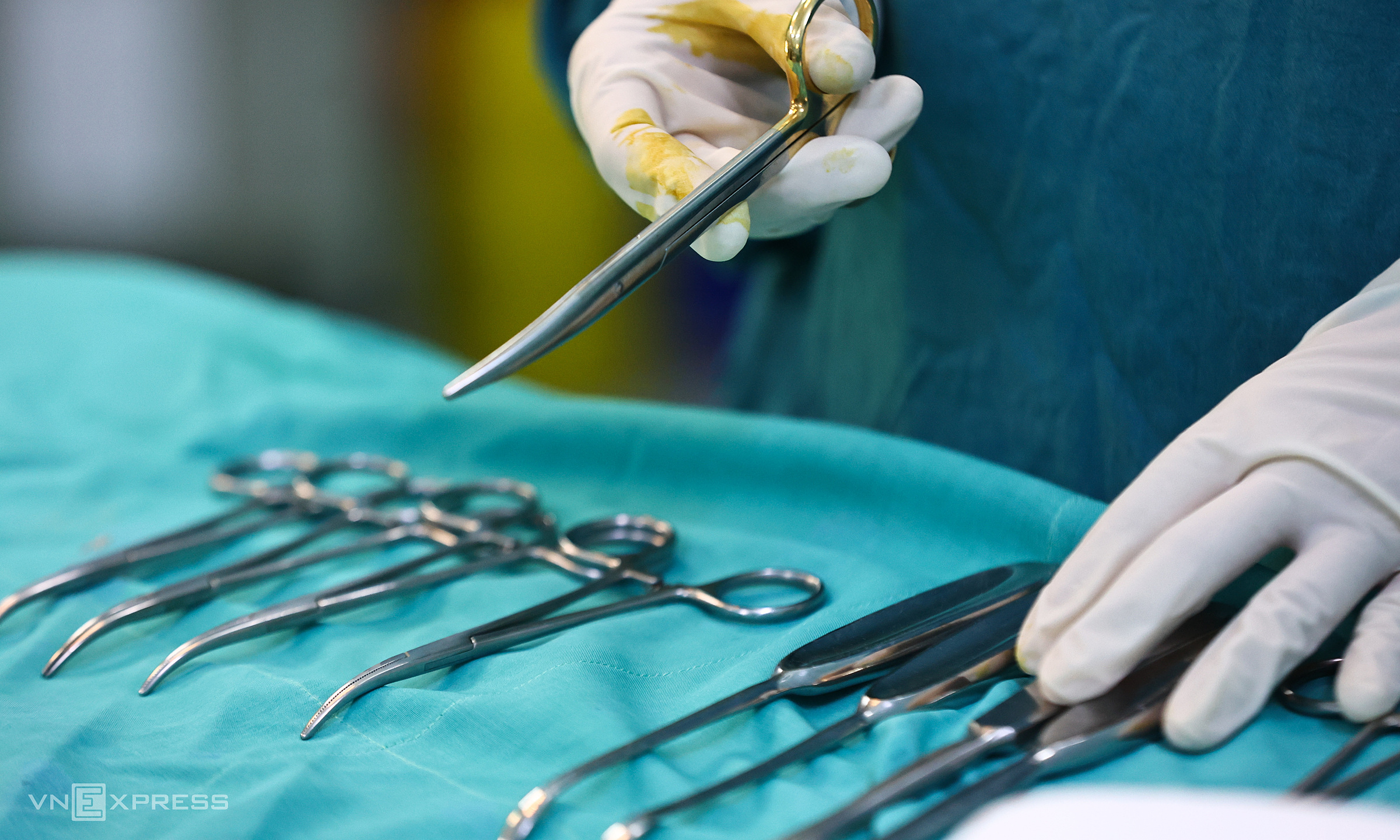
According to Doctor Thu, partial exchange transfusion requires strict hemodynamic control. In newborns, the total blood volume is very small, so doctors must precisely calculate each milliliter of blood to be withdrawn and the exact amount of replacement fluid. Even small deviations in infusion or withdrawal rates can directly affect the infant's circulation.
During the intervention, the infant was continuously monitored using specialized equipment, along with hematological, electrolyte, and blood gas tests. The hospital reported that the procedure was performed under strict infection control conditions meeting international ACHS standards, with close coordination between neonatal resuscitation doctors and nurses. Accurate diagnosis of the condition was a crucial factor for timely emergency intervention.
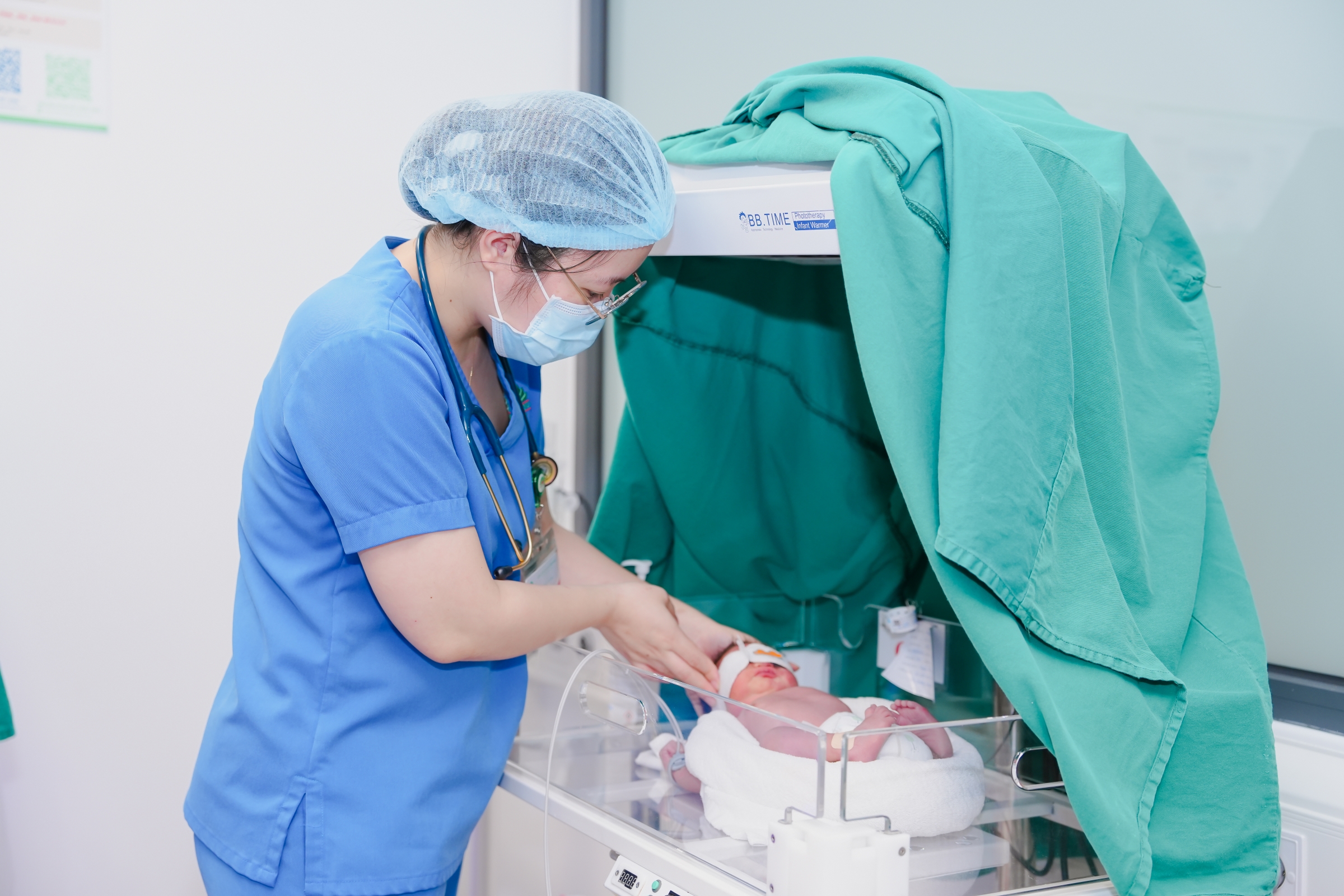
Following the procedure, the infant's hematocrit decreased to 0,67 L/L, and hematological and blood glucose levels gradually stabilized. After two days of intensive treatment, the infant overcame the critical period, began fully breastfeeding, showed improved jaundice, and no dangerous complications were recorded.
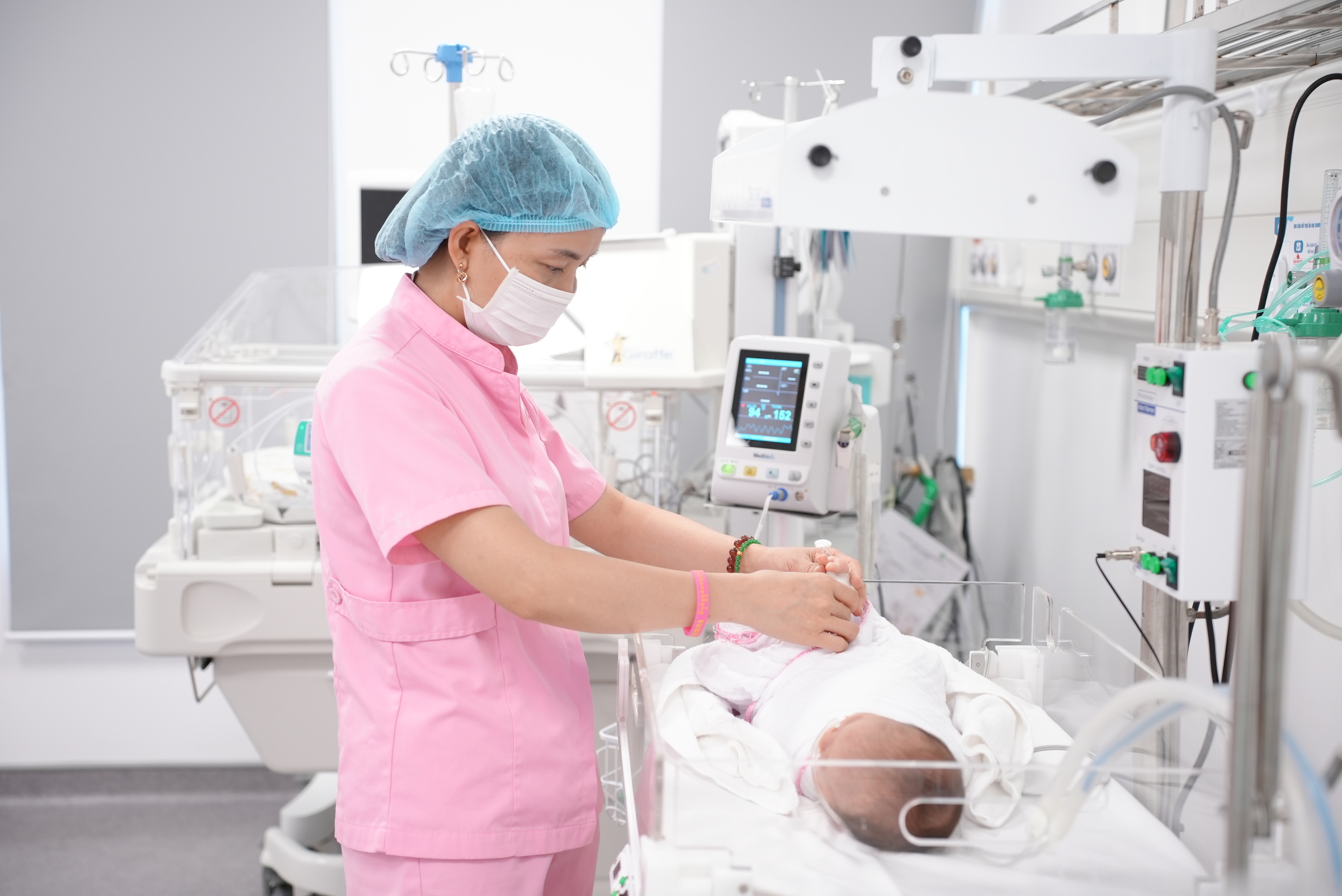 |
After the intervention, the infant's vital signs gradually stabilized, and he could fully breastfeed. Photo: Hospital provided |
Doctor Thu advised expectant mothers to have regular prenatal check-ups and effectively manage medical conditions, especially gestational diabetes, to limit the risk of postnatal complications for their infants. Newborns with unusual skin redness, early jaundice, poor feeding, or those in high-risk groups need to be monitored at facilities with neonatal and neonatal resuscitation specialties for timely detection and management.
Van Ha
The Department of Neonatology at Hong Ngoc General Hospital admits, monitors, and treats neonatal conditions, providing postnatal care for infants.
Hotline: 0917.104.366
8 Chau Van Liem, Tu Liem, Ha Noi