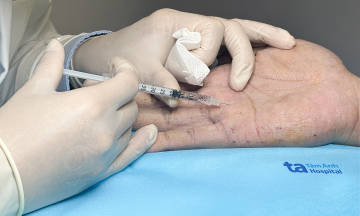
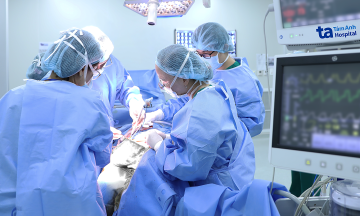
On 14/5, during the signing ceremony for specialized technique transfer and comprehensive professional development support to Ba Ria General Hospital, Tang Chi Thuong, Director of the Ho Chi Minh City Department of Health, stated that this initiative is a step in the strategy to develop a multi-layered, multi-polar, multi-center healthcare system. The goal is to establish a network of gateway hospitals capable of providing emergency and specialized treatment locally.
Ba Ria General Hospital is slated to serve the healthcare needs of local residents and progressively become a "gateway hospital" for Ho Chi Minh City's southeastern region. It will be responsible for receiving and managing initial emergencies, treating common illnesses, and connecting with the city's specialized hospital system when necessary.
Ho Chi Minh City's tertiary hospitals have developed long-term, synchronized support plans. Among these, Nhan Dan 115 Hospital supports the development of emergency medicine, intensive care, and the establishment of a stroke unit. It also provides training for "red alert" protocols and multi-trauma emergency care. The hospital further assists in creating a multi-specialty "trauma emergency center" model at Ba Ria General Hospital, ensuring severely ill patients receive intensive care and specialized intervention during the "golden hour".
Binh Dan Hospital aids in developing surgical specialties, particularly general surgery, urological surgery, and advanced surgical techniques. Tu Du Hospital supports obstetrics and gynecology, enhancing emergency obstetric care, maternal and newborn care, and transferring specialized diagnostic and treatment techniques.
In infectious diseases, Hospital for Tropical Diseases trains personnel, improves infection control capacity, infectious disease resuscitation, and management of emerging outbreaks.
Nhi Dong 1 Hospital transfers expertise in pediatric examination and treatment, pediatric emergency care, pediatric resuscitation, and trains pediatric specialists. Beyond clinical expertise, the hospital also contributes to governance, developing operational procedures, quality management, and training departmental management teams.
The Ho Chi Minh City Ear, Nose, Throat Hospital and Ho Chi Minh City Odonto-Maxillo-Facial Hospital also participate in developing advanced specialties, enabling local residents to access more high-tech services within the area.
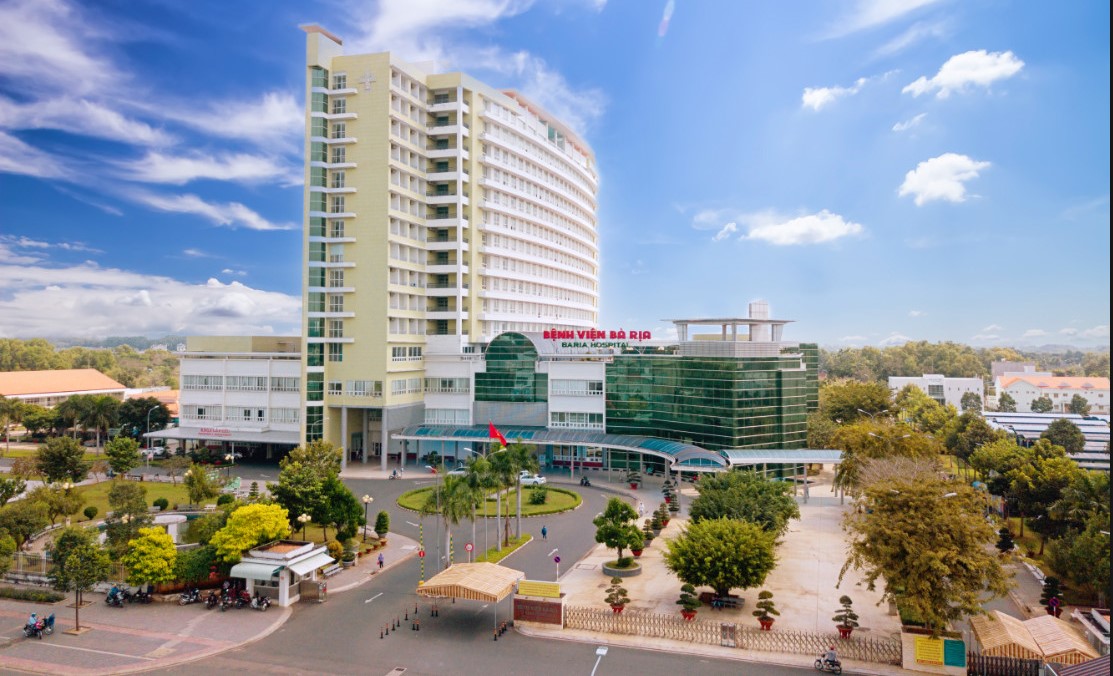 |
Ba Ria Hospital. Photo: Hospital provided |
According to Mr. Thuong, the support from tertiary hospitals to Ba Ria General Hospital extends beyond technique transfer, aiming for a "companion hospital system" model. In this model, specialized hospitals act as professional nuclei, supporting and enhancing the capacity of gateway hospitals.
The healthcare sector anticipates that the development of Ba Ria General Hospital will help alleviate the burden on Ho Chi Minh City's downtown hospitals, reducing the time for residents in the southeastern region to access emergency and treatment services.
Le Phuong