Ms. Binh developed significant inflammatory acne and pustules on her cheeks during pregnancy more than 10 years ago. The skin areas where she picked her acne subsequently showed numerous indentations, which became more pronounced over time. Enlarged pores gave her skin a rough, orange-peel texture.
Dr. Nguyen Ngoc Tran, a specialist in dermatology and aesthetic dermatology at Tam Anh General Hospital Ho Chi Minh City, reported that Ms. Binh experienced severe pitted scars, primarily atrophic scars resulting from skin tissue damage after inflammatory acne.
Hormonal shifts during pregnancy often intensify sebaceous gland activity, making the skin susceptible to inflammatory acne, particularly pustules. When these inflamed lesions are mechanically manipulated, such as by picking or forcefully squeezing, the underlying connective tissue structure can rupture. The subsequent healing process frequently lacks sufficient collagen to adequately regenerate tissue, leading to the formation of pitted scars.
Dr. Tran devised a treatment plan for Ms. Binh, integrating subcision with skin regeneration using microneedling radiofrequency (RF) technology. This protocol involves 6-8 sessions, performed monthly. The subcision technique severs the fibrous bands that pull the scar bases deep into the tissue, thereby releasing the indented skin. Following this, microneedling RF creates controlled micro-injuries within the dermis, stimulating the production of new collagen and elastin. This process gradually fills the pitted scar areas and enhances overall skin structure.
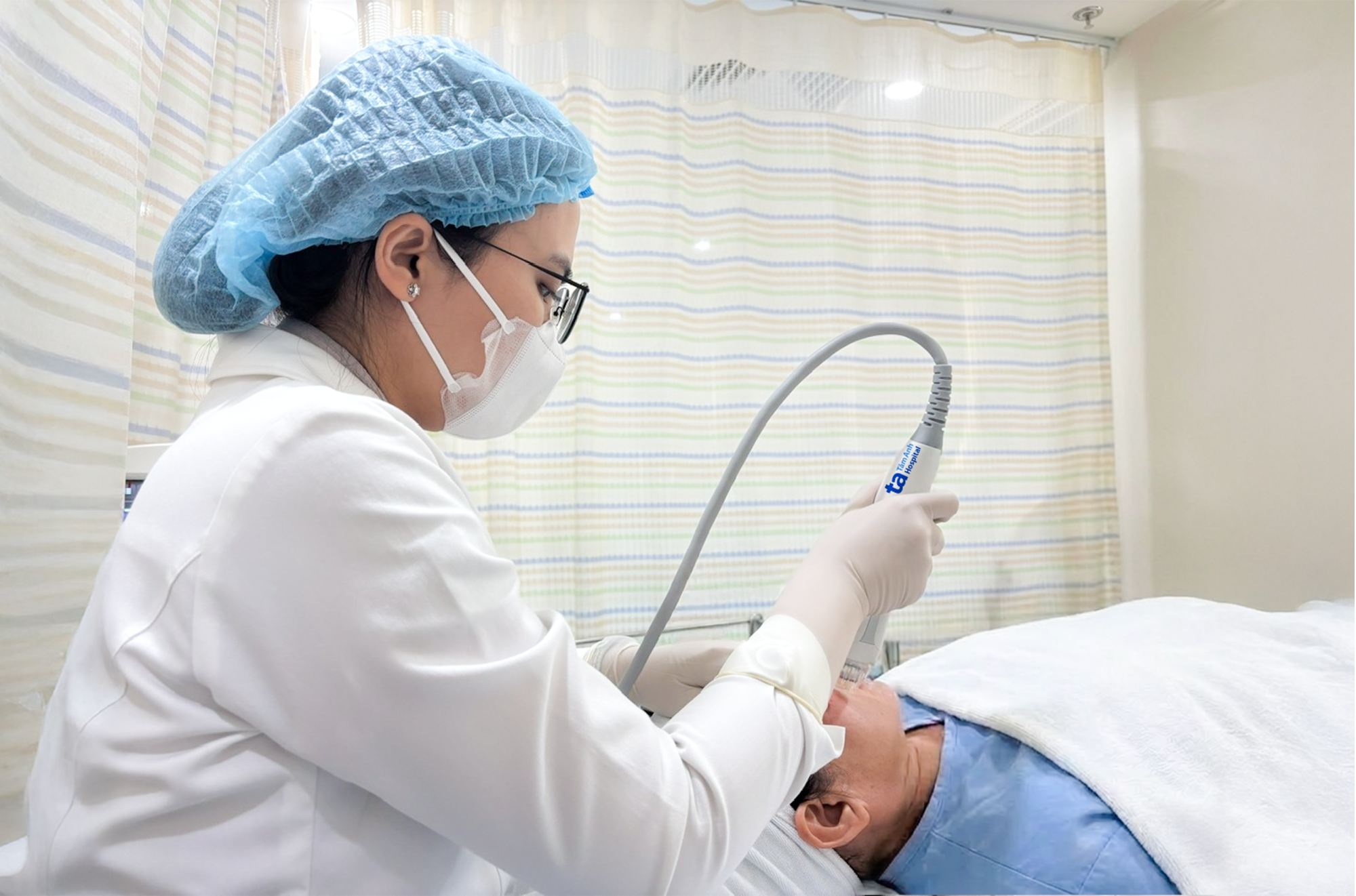 |
Dr. Tran uses microneedling RF to treat Ms. Binh's pitted scars. Photo: Tam Anh General Hospital
According to Dr. Tran, the bases of long-standing pitted scars are often firmly and deeply tethered to the underlying tissue by fibrous bands. Therefore, subcision is performed first to free these tissue structures. This allows the microneedling RF energy to more effectively stimulate collagen regeneration and progressively improve the skin's surface.
After 5 treatment sessions, the skin surface on Ms. Binh's nose and cheeks showed clear improvement. The pitted marks gradually filled, pores became smaller, and her skin appeared smoother when she applied makeup. She is currently continuing the treatment regimen to further enhance her skin's even tone and texture.
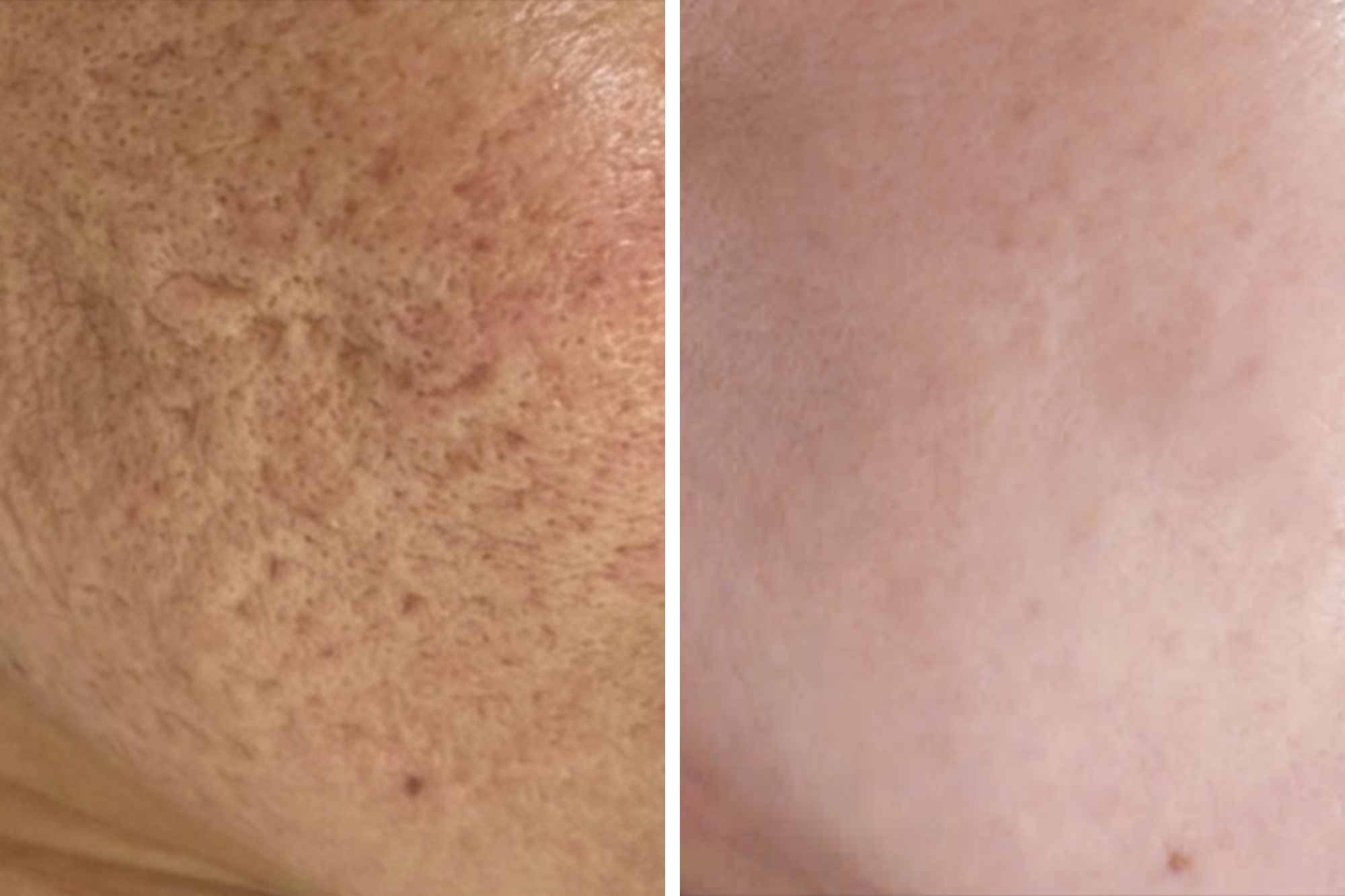 |
Ms. Binh's pitted scars significantly improved after 4 subcision sessions combined with microneedling RF. Photo: Tam Anh General Hospital
Doctors emphasize that pitted scars are a common consequence of inflammatory acne, especially when individuals attempt to pick their own acne or treat it improperly. Pregnant or breastfeeding women should seek consultation at a hospital's dermatology and aesthetic dermatology department for safe skincare advice, rather than attempting self-treatment at home. Specialists can recommend appropriate methods to manage acne, ensuring the safety of both mother and fetus.
Individuals with acne should refrain from picking or popping pimples, maintain clean skin, limit touching their face, and seek early medical attention if inflammatory acne persists. This approach minimizes the risk of pitted scar formation.
Minh Huong
*Name has been changed