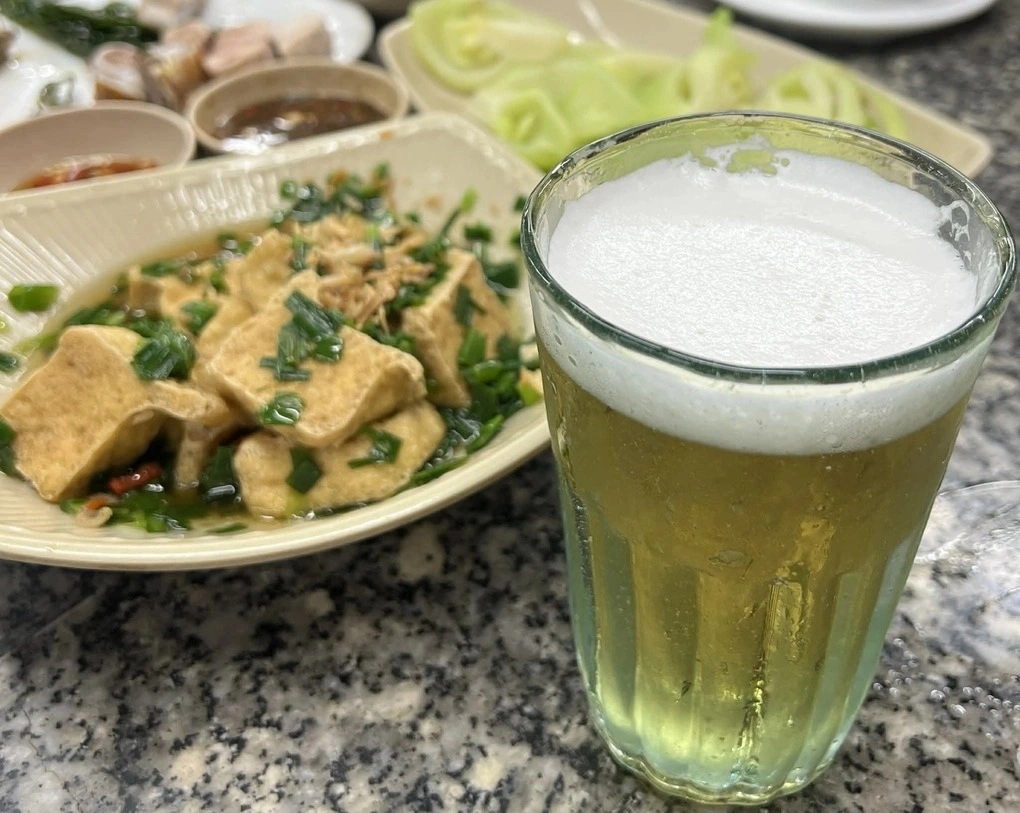
Drinking beer to cool down is not a good choice for health. Beer contains ethanol (alcohol), a diuretic that inhibits the antidiuretic hormone (vasopressin), leading to increased water excretion by the kidneys through urine. This causes the body to lose more water and electrolytes, especially in hot weather or after strenuous exercise that causes significant sweating.
Many people feel cool and comfortable when drinking beer in hot weather due to the cold temperature of the beverage and the temporary peripheral vasodilation caused by alcohol. When blood vessels under the skin expand, the body feels less hot. However, this process actually causes heat to escape faster.
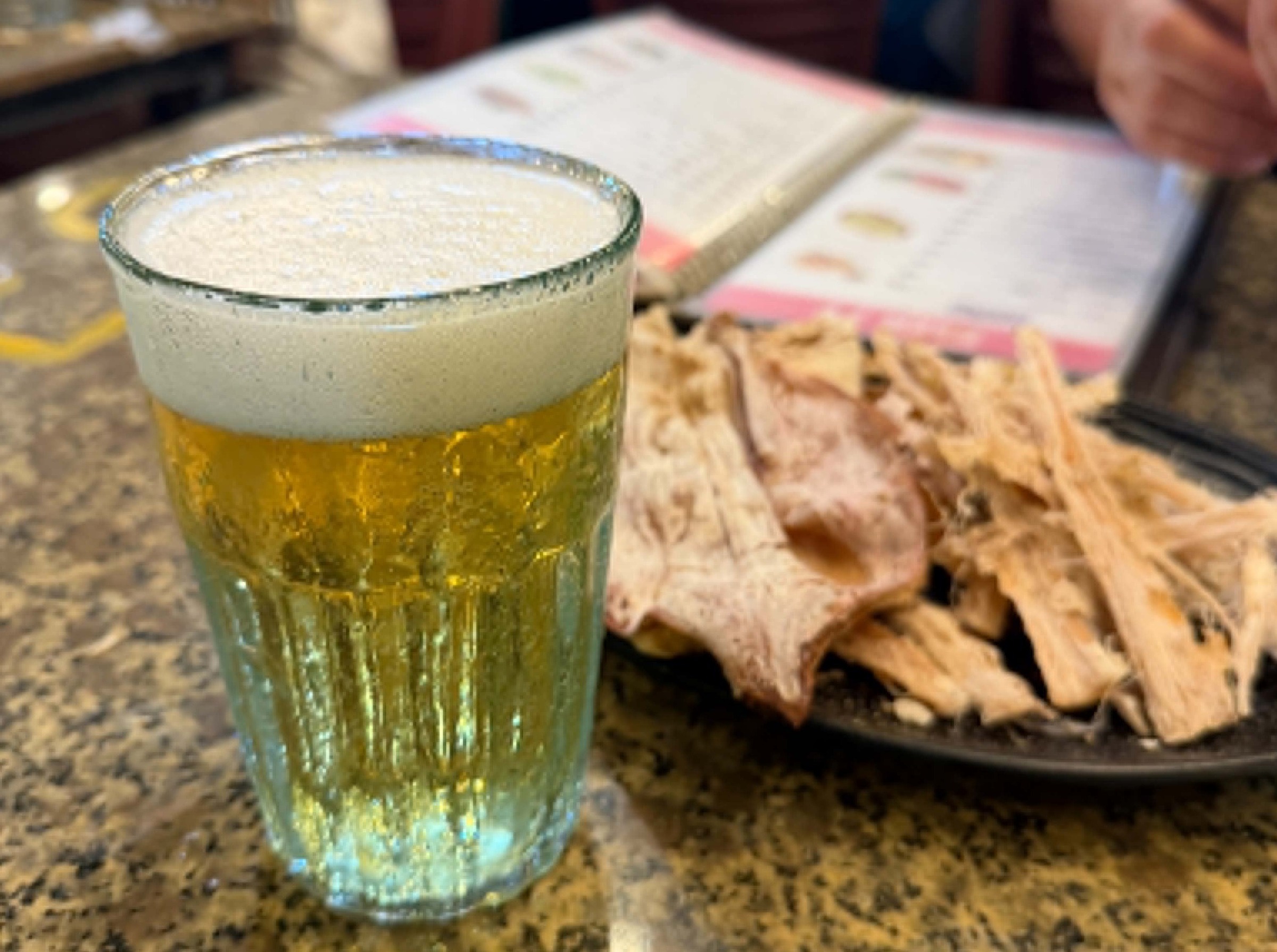 |
Beer inhibits antidiuretic hormone, increasing kidney excretion. Illustration: Huy Manh
Low-alcohol beer may not cause noticeable dehydration if consumed in small amounts with adequate water intake. However, when consumed heavily or continuously in hot weather, the diuretic effect of alcohol becomes more pronounced. Drinkers often experience frequent urination, dry mouth, fatigue, headaches, or a slight drop in blood pressure the next day - typical signs of dehydration.
Drinking beer also forces the liver to prioritize processing ethanol over other metabolic activities. Meanwhile, the cardiovascular system can be stimulated, causing the heart to beat faster and blood pressure to fluctuate more significantly in some alcohol-sensitive individuals.
According to the World Health Organization (WHO), prolonged hot weather already causes dehydration, heat exhaustion, and heatstroke. Consuming alcoholic beverages further increases these risks, especially for outdoor workers, older adults, or individuals with cardiovascular disease and high blood pressure. Alcohol is linked to over 200 different diseases and health conditions, including liver disease, cardiovascular issues, cancer, and mental disorders. There is no level of alcohol consumption that is entirely risk-free for health.
In hot weather, plain water remains the optimal choice for quenching thirst and regulating body temperature; beer should not replace daily refreshing drinks. Individuals who are highly active outdoors or sweat continuously can supplement with oresol, electrolyte drinks, or low-sugar fruit juice to replenish fluids and minerals.
Avoid drinking beer when very thirsty, immediately after strenuous exercise, or after prolonged exposure to direct sunlight. If you choose to drink, alternate with plain water and avoid consuming it too quickly or in excessive amounts within a short period.
Doctor Le Xuan Luat, PhD
Department of General Internal Medicine
Tam Anh General Hospital Hanoi