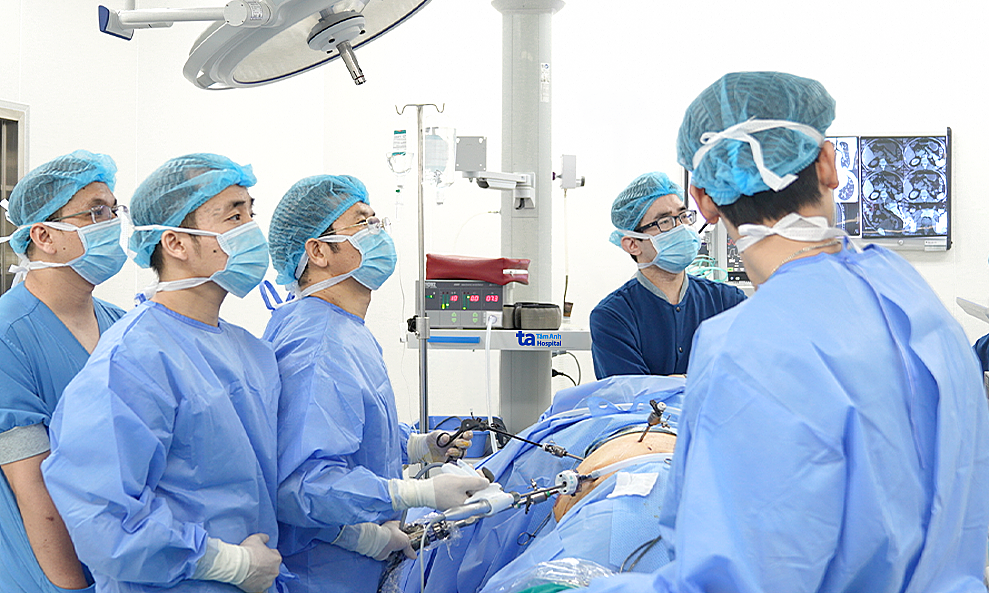
Liver resection for cancer plays a crucial role in radical treatment, improving patient survival and quality of life. Doctors typically recommend surgery based on several factors: the number, size, and location of tumors, evidence of vascular invasion or metastasis, the degree of cirrhosis, the volume of remaining liver, and the patient's overall health.
Liver resection is generally indicated when tumors are localized and completely resectable, liver function remains good, and the anticipated remaining liver volume is sufficient to sustain life. Common surgical approaches include open surgery, laparoscopic surgery, and robotic surgery.
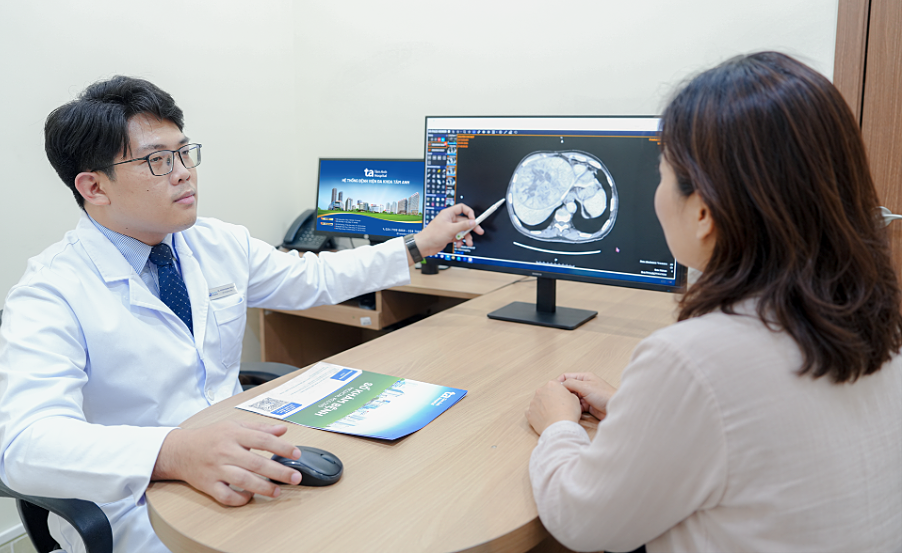 |
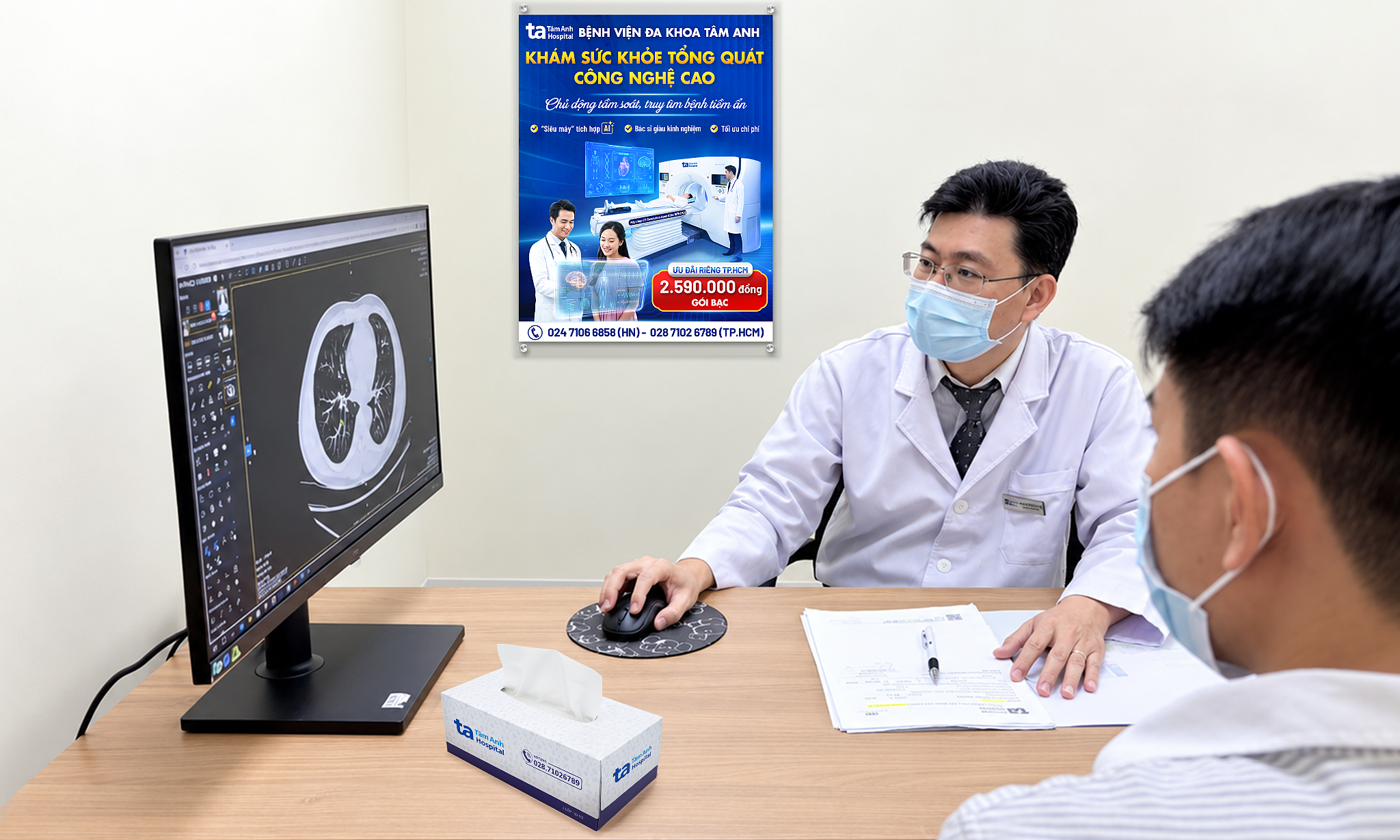
Doctor Vu consults with a patient. Photo illustration: Tam Anh General Hospital. |
Patients with compensated cirrhosis, adequate liver function, and no significant portal hypertension may still be candidates for liver resection. Conversely, decompensated cirrhosis, poor liver function, or insufficient residual liver volume significantly increases the risk of post-operative liver failure.
Following surgical removal of the tumor-bearing liver section, the remaining liver possesses a remarkable ability to regenerate and recover, ensuring the maintenance of vital functions. This process typically occurs over several weeks to several months, contingent on the liver's quality and the remaining volume.
Liver transplantation involves replacing the entire diseased liver with a healthy one. Donors can be brain-dead individuals or living donors, allowing for simultaneous treatment of the malignancy and underlying liver disease.
It is advisable to consult an oncology specialist for a comprehensive evaluation. If surgery is not preferred or deemed unsuitable, patients have various other treatment options. For small tumors in appropriate locations, radical treatment options include radiofrequency ablation or microwave ablation. Additional methods encompass: transarterial chemoembolization (TACE), selective internal radiation therapy (TARE) using radioactive microspheres, stereotactic body radiation therapy (SBRT), immunotherapy, and targeted therapy.
Doctor Doan Manh Tien Vu
Liver Tumor Surgery Unit, Department of Surgical Oncology
Tam Anh General Hospital, Ho Chi Minh City
Readers can submit their cancer-related questions here for a doctor's response.