Dr. Nguyen Hoang Tuan Vu, Deputy Head of the General Internal Medicine Department at Tam Anh General Hospital, TP HCM, notes that for individuals over 50, certain diseases can progress silently for extended periods. Regular health check-ups provide numerous benefits for overall health.
Early disease detection before symptoms appear
One of the greatest benefits of regular health check-ups is the early detection of abnormalities that individuals may not yet perceive. Conditions like high blood pressure, dyslipidemia, elevated blood sugar, kidney disease, certain liver diseases, or lung lesions can progress silently for years.
The absence of symptoms does not always mean a person is completely healthy. An individual might maintain normal daily activities and work while experiencing underlying changes in blood pressure, metabolic disorders, or reduced organ function. Regular check-ups help identify these signs at an early stage, making lifestyle adjustments or treatment more manageable.
Assessing and protecting respiratory function
After age 50, lung function tends to decline as part of the aging process. Individuals who have smoked, are long-term smokers, are regularly exposed to dust, smoke, or chemicals, or have a history of respiratory illness should pay close attention.
Persistent coughing, phlegm production, wheezing, or shortness of breath during physical activity can be signs of chronic obstructive pulmonary disease (COPD), asthma, or other lung conditions. Regular health check-ups enable doctors to assess risk factors and recommend further investigations when necessary.
Spirometry can be used to assess ventilatory function, while chest X-rays or CT scans are considered for cases with relevant symptoms. Individuals at risk of lung cancer will undergo assessment and screening by a doctor based on age, smoking history, and other factors.
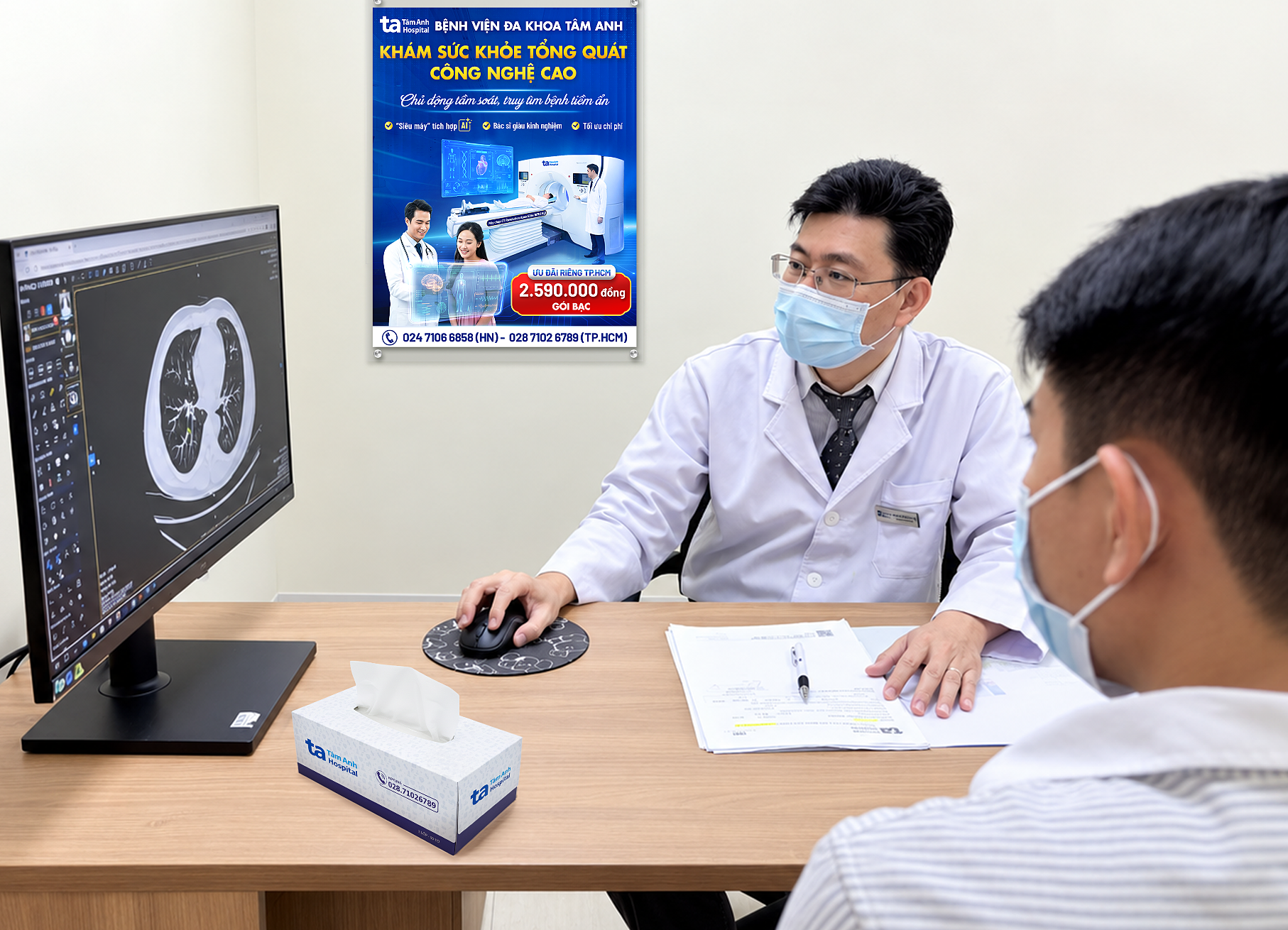 |
Dr. Vu explains CT scan results to a patient during a health check-up. Photo: Tam Anh General Hospital |
Early-stage cancer screening
As age advances, the risk of developing certain types of cancer increases. Individuals undergoing regular check-ups receive risk assessments and guidance on appropriate screening programs tailored to their age, gender, and family history.
Screening programs may include colorectal cancer, breast cancer, cervical cancer, prostate cancer, or lung cancer for at-risk individuals. The goal of screening is to detect disease or precancerous lesions before symptoms appear, enabling more effective treatment.
Managing chronic conditions, reducing complication risk
After middle age, many individuals begin to develop multiple chronic diseases concurrently. High blood pressure, diabetes, dyslipidemia, cardiovascular disease, chronic obstructive pulmonary disease, or kidney disease can interact, increasing the risk of complications.
Regular check-ups help monitor disease progression and evaluate treatment effectiveness. Patients can also discuss their diet, exercise, weight, sleep, current medications, and other risk factors with their doctor.
Individuals managing chronic conditions should not arbitrarily stop medication simply because they feel well. Consistent, long-term disease control limits organ damage and reduces the risk of hospitalization and complications.
Proactively maintaining quality of life in older age
Beyond disease detection, regular health check-ups can also provide a comprehensive assessment of the aging process, identifying issues that require early intervention. In addition to cardiovascular, metabolic, and respiratory health, doctors can evaluate bone health, vision, hearing, nutrition, sleep, and mental well-being.
Doctors recommend that individuals aged 50 and older maintain a schedule of regular health check-ups and discuss appropriate tests and examinations with their doctor, considering their age, gender, and underlying health conditions. Special attention to health screenings is crucial for those with a history of smoking, prolonged exposure to dust or chemicals, or a family history of cancer, cardiovascular disease, or respiratory illness.
Nhat Thanh
| Readers can submit questions about respiratory diseases here for doctors to answer. |