Many families commonly keep cooked rice or leftovers in their rice cookers, continuously using the warm mode for subsequent meals, sometimes even until the next day. While seemingly convenient, health experts warn that this practice poses significant risks to digestive health. Rice cookers typically maintain a temperature between 60 and 70 degrees Celsius in warm mode. However, heat distribution within the pot is often uneven. The top layer of food, exposed to air, can easily drop into the "danger temperature zone"—below 60 degrees Celsius—creating an ideal environment for rapid bacterial growth.
If rice or food has already been served, eating utensils contaminated with saliva can further accelerate bacterial development, leading to indigestion, diarrhea, or food poisoning. It is crucial to understand that a rice cooker is not a completely sealed appliance. The lid's steam vent allows heat-resistant bacteria to enter and survive in the warm environment. Leaving rice in the cooker for too long not only diminishes its nutritional value but also generates harmful substances. Consequently, a rice cooker should never be regarded as a specialized food storage device.
Based on food safety regulations, experts offer clear recommendations for handling cooked rice:
Warm mode duration: After cooking, do not keep rice in warm mode for more than four hours.
Refrigeration: For leftover rice, allow it to cool and refrigerate it within two hours of cooking.
Reheating: When consuming again, rice must be thoroughly reheated to completely eliminate bacteria.
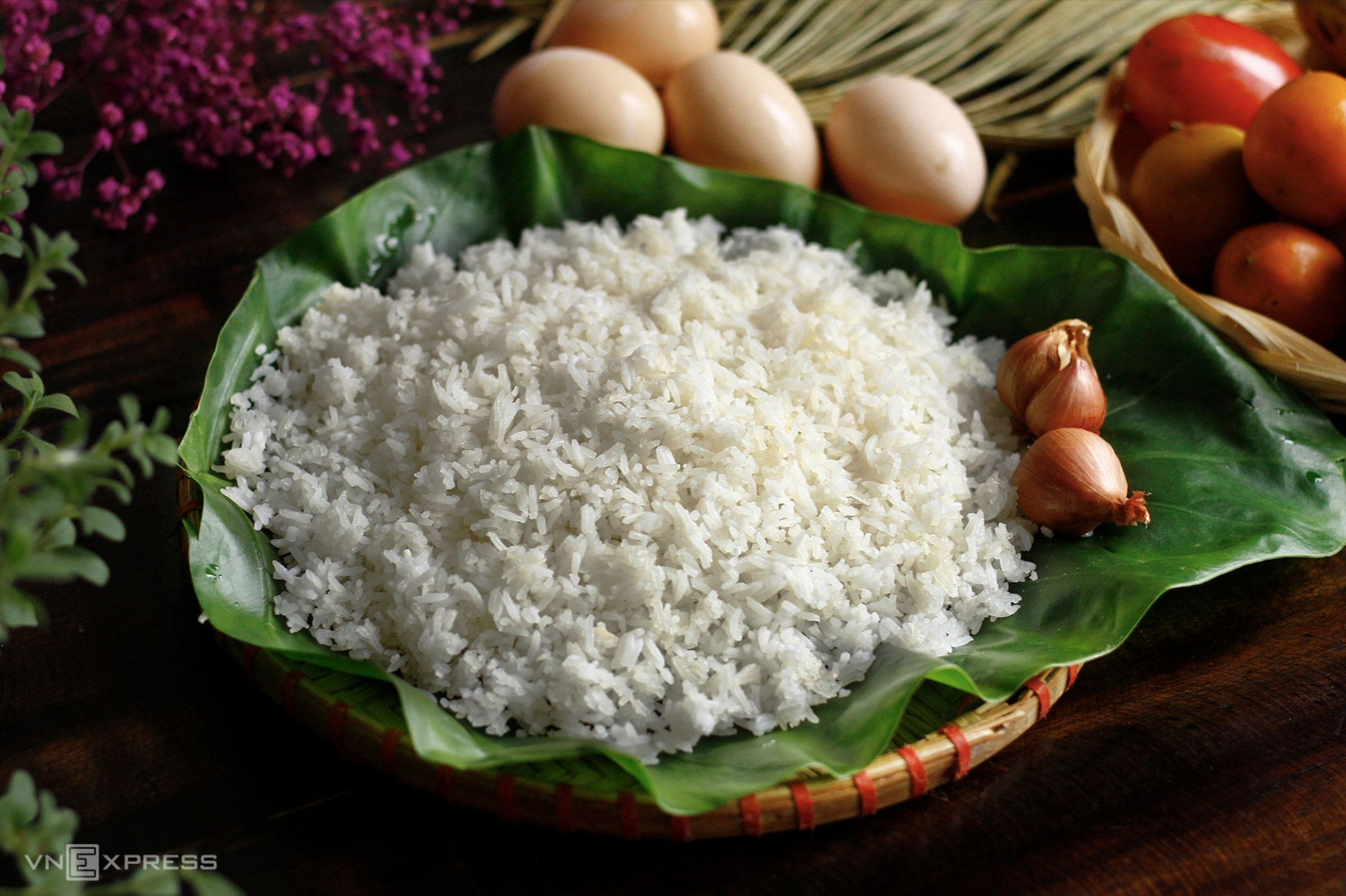 |
Refrigerate and thoroughly reheat rice before consuming it again. Illustration: Bui Thuy.
Beyond proper use, maintaining rice cooker hygiene is also essential. Users frequently overlook three areas prone to accumulating bacteria and dirt:
Steam vent: This area is a common spot for food debris and excess steam to gather. This component should be disassembled, thoroughly cleaned, and dried after each use.
Rubber gasket around the lid: Crevices in the rubber gasket often trap rice residue or splashed rice water. The most effective cleaning method is to remove it and soak it in warm water.
Heating plate at the bottom of the cooker: Spilled rice grains or water overflowing onto the heating plate will form hard deposits when exposed to high temperatures. This affects heat transfer efficiency and poses a risk of electrical short circuits. After unplugging the cooker, use a small brush to clean it; never immerse the heating plate directly in water.
My Y (According to Mydrivers)