The human body is composed of over 50% water. Maintaining adequate hydration is essential for vital physiological functions such as blood circulation, body temperature regulation, and digestion. After many hours of sleep without fluid intake, waking up feeling somewhat thirsty is normal.
Doctor Lynette Gogol, a neurologist and lifestyle medicine specialist in Texas, My, states: "Drinking water upon waking helps replenish fluids lost overnight and supports normal physiology, including improving mood and reducing fatigue from mild dehydration."
Typically, fluid loss during sleep ranges from 400 to 700 ml (about one and a half to three cups), primarily due to evaporation through the skin. A small study indicates that drinking one cup of water immediately upon waking may be enough to quench morning thirst, but two cups are more effective in supporting memory and mood.
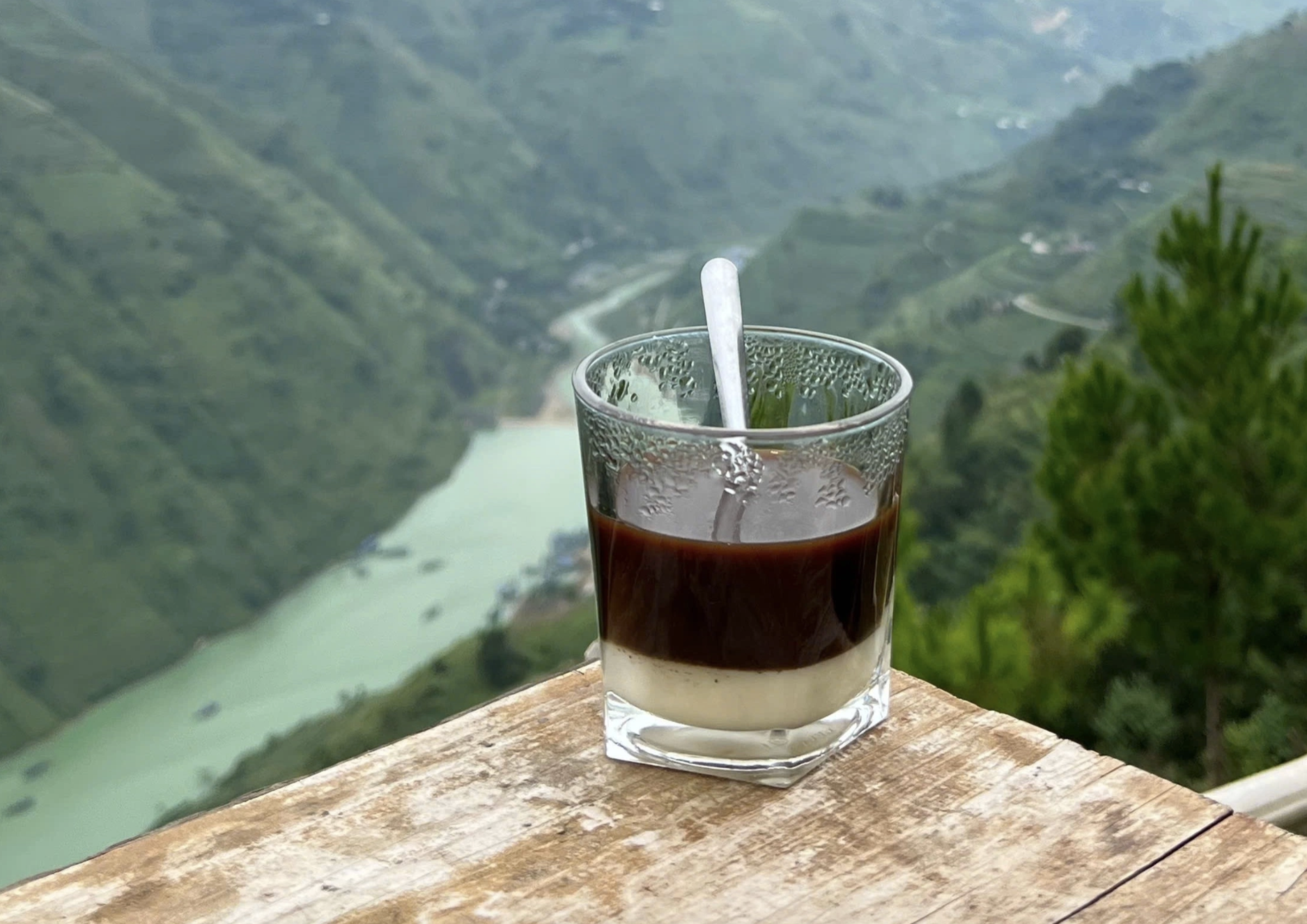 |
There is no strong evidence to suggest that drinking water one to two hours before coffee offers any special physiological benefits beyond general hydration. Illustration: Hang Tran |
Does drinking water before coffee make you more alert?
Many people worry that the caffeine in coffee acts as a diuretic, leading to dehydration. However, this effect is not as significant as commonly believed. Doctor Gogol explains that caffeine can slightly increase urine output, but for regular coffee drinkers, this does not cause dehydration because the water content in the coffee itself compensates for the mild diuretic effect.
Lisa Andrews, a nutritionist at Sound Bites Nutrition, adds: "If consumed excessively, coffee can cause dehydration, but for the average consumer, this is not a concern."
Both experts agree that drinking water in the morning is a good habit. However, there is no strong evidence to suggest that drinking water one to two hours before coffee offers any special physiological benefits beyond general hydration. This also applies to cognitive ability. Caffeine is absorbed very quickly, and "pre-hydrating" hours beforehand does not make caffeine stronger.
The impact of caffeine on cortisol
Some influencers claim that drinking coffee immediately upon waking causes a "cortisol spike" and leads to energy crashes later. In reality, natural cortisol levels rise during the first 30-45 minutes after waking, and caffeine does stimulate cortisol production.
However, according to a recent research review, the habit of morning coffee is unlikely to push the body into a state of "stress overload." Doctor Gogol shares: "In regular coffee drinkers, the body adapts without evidence of long-term harm." Its effect is the same whether you drink it immediately or delay it.
For those who rarely consume caffeine or are sensitive to stress, drinking coffee right away might cause uncomfortable overstimulation. For this group, delaying coffee consumption by about 30-60 minutes may help reduce that feeling.
Is it necessary to drink warm water or add salt?
Regarding the trend of drinking warm water before coffee, nutritionist Lisa Andrews states there is not much scientific evidence to support it. Doctor Gogol agrees that water temperature does not significantly alter metabolism, hormone regulation, or digestion in a clinically meaningful way.
Similarly, adding salt to water to increase electrolytes is unnecessary for mild overnight dehydration. Only athletes engaged in intense training, losing more than 2% of their body weight through sweat, truly need electrolyte supplementation in this manner. Drinking plain water and eating normally throughout the day is sufficient to maintain balance.
Whether you drink water before or after your morning coffee, the hydration benefits are equivalent. Both coffee and plain water contribute to your total daily fluid intake. There is no firm evidence that warm water is better than cold water, nor is it necessary to add salt. Ultimately, drinking water before coffee does not offer greater health value compared to drinking the same amount of water at a different time of day.
My Y (According to Good Housekeeping)