 |
Starchy vegetables are rich in carbohydrates, which can elevate blood sugar if consumed excessively. Following holiday festivities, individuals, especially those prone to obesity, should manage their carbohydrate intake. Limiting starchy options such as pumpkin, sweet potatoes, and potatoes, and instead prioritizing low-starch vegetables, can help control weight and blood lipid levels.
Cucumbers, abundant in water and fiber, help promote satiety and prevent overeating. This hydrating vegetable also aids digestion, alleviating constipation and bloating.
 |
Cooked eggplant provides over 4 g of fiber per 100 g serving, promoting bowel regularity and stable intestinal movement. Consuming eggplant before other dishes can increase fullness, reducing overall calorie intake. After the holidays, steamed or grilled eggplant can help manage fat consumption.
 |
Tomatoes are versatile, suitable for stir-fried salads or enjoyed raw as a refreshing snack. Their sweet-tart flavor helps curb appetite and prolong satiety. Rich in water and antioxidants, tomatoes support overall health and aid in weight loss.
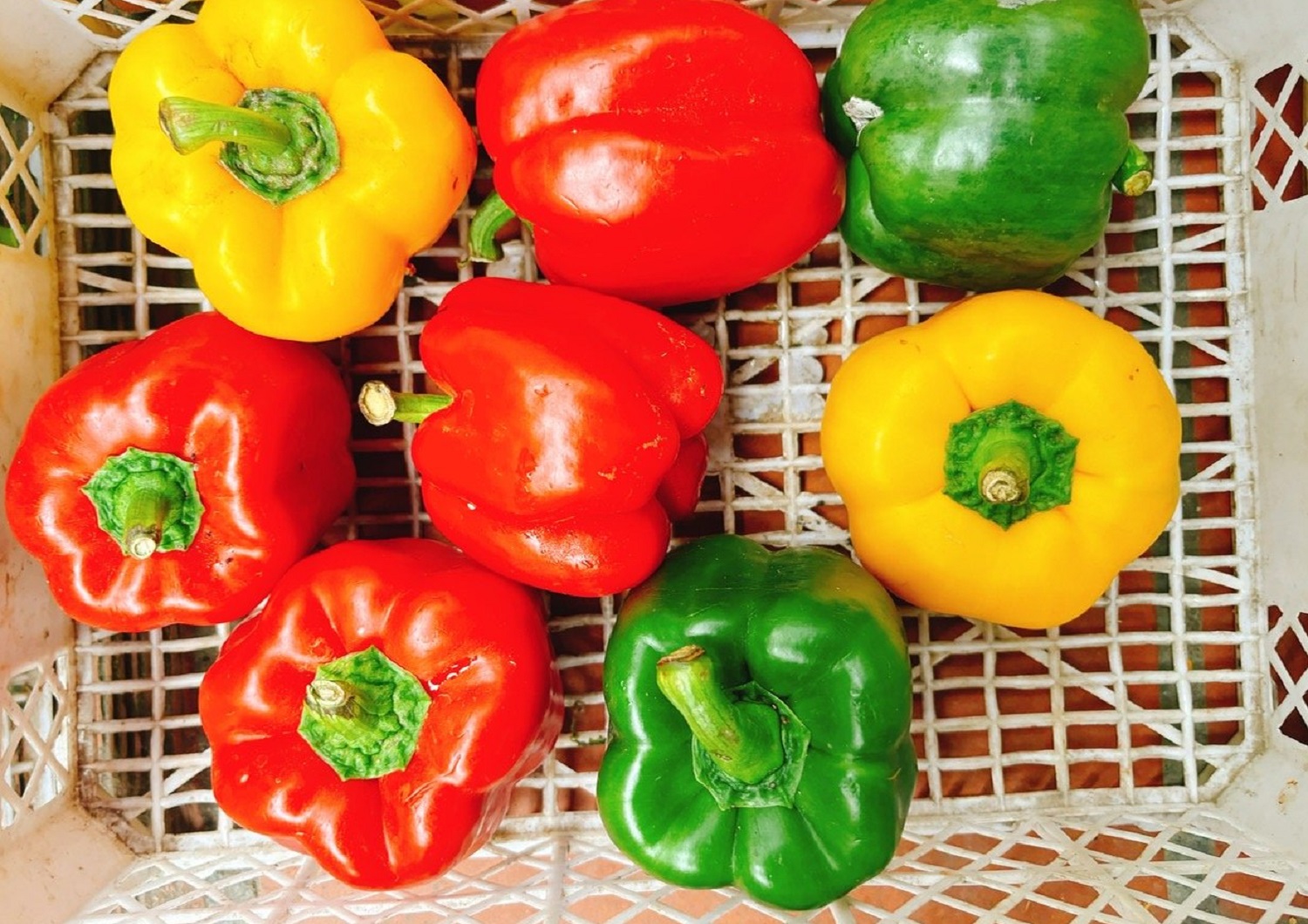 |
Bell peppers offer about 3 g of fiber and 9 g of carbohydrates in a medium-sized fruit (100 g). These vibrant vegetables are virtually fat-free and low in calories, helping prevent fat storage. Enjoy bell peppers raw or stir-fried with olive oil to benefit from capsaicin, which boosts metabolism and aids fat burning. Additionally, their high water and vitamin C content further supports metabolism and detoxification.
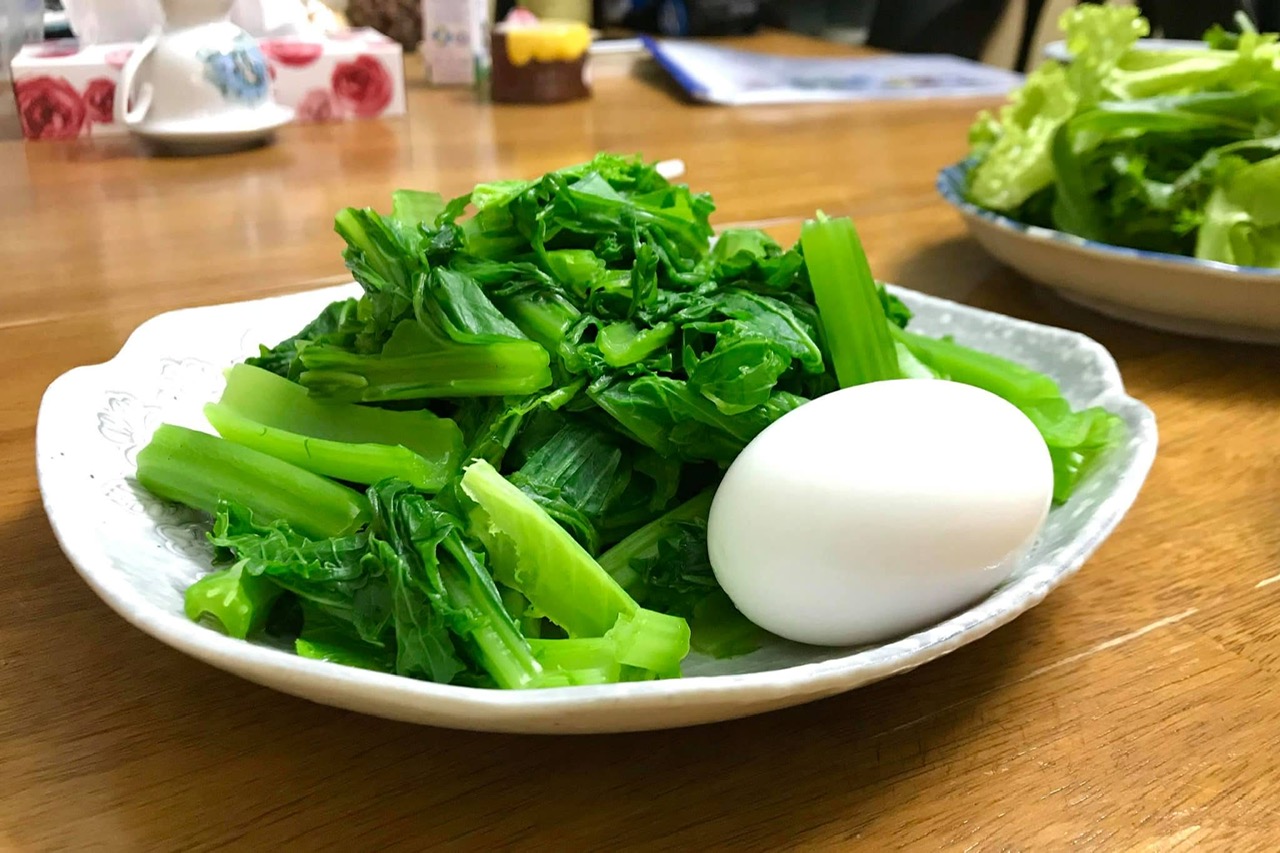 |
Green leafy vegetables boast abundant fiber and high vitamin C, crucial for metabolizing fat and boosting overall metabolism. Furthermore, sulforaphane compounds found in cruciferous vegetables reduce inflammation and support the digestive system in eliminating fats.
By Anh Chi (Source: Very Well Health)
Photos: Anh Chi, Bui Thuy, Bao Bao
Readers can submit questions about endocrine diseases here for a doctor's response.