Many parents mistakenly believe that individuals with depression are always gloomy and tearful. However, in adolescents, depression often manifests through unusual behaviors such as irritability, defiance, or physical aches, leading families to dismiss these as typical "rebellious" phases of puberty.
These unusual reactions are frequently misidentified as 'stubbornness'. According to Doctor Zhang Bingchun, Head of the Department of Neuropsychiatric Health at Taichung Hospital, Ministry of Health and Welfare (Taiwan, China), while adults with depression commonly express sadness and crying, adolescents react very differently.
Doctor Zhang highlighted five common unusual signs in this age group:
Easily angered and irritable;
Erratic mood swings and frustration;
Refusal to attend school (school phobia);
Unexplained headaches;
Recurrent abdominal pain with no identifiable physical cause.
Adults often underestimate these psychological symptoms that transform into physical pain, equating them with the resistance of teenagers. Doctor Zhang Bingchun warned that if parents observe additional signs such as "loss of appetite, sleep disturbances, and a general disinterest in life", it signals a serious level of depression, requiring immediate psychiatric evaluation for the child.
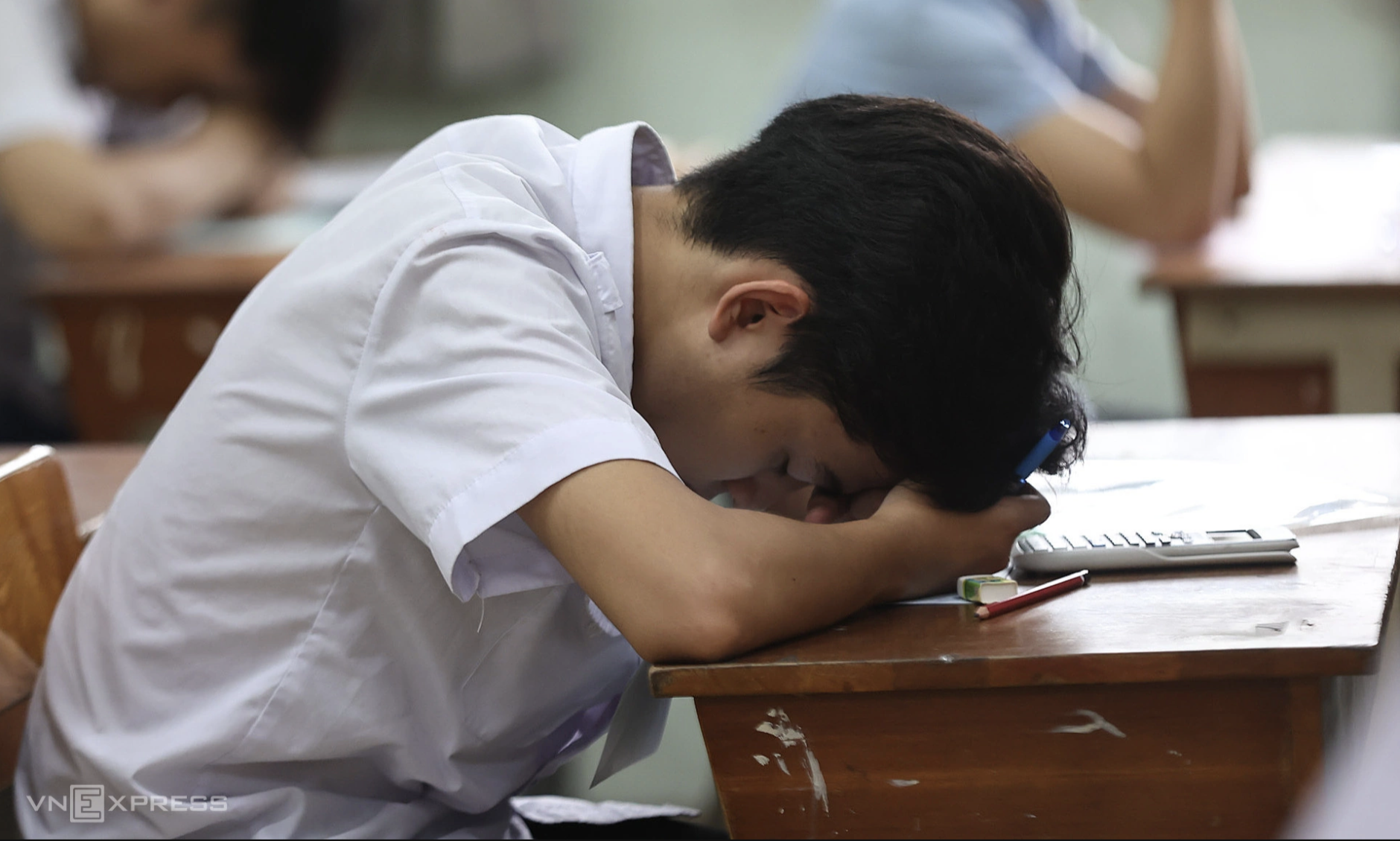 |
Illustrative photo of high school students experiencing psychological pressure from parental and school expectations. Photo: Quynh Tran |
Academic pressure weighs heavily on mental health.
Doctor Zhang Bingchun cited epidemiological studies and large-scale surveys from educational agencies, indicating that the prevalence of depression among adolescents has surged from 3% to nearly 10% over the past 20 years, with females facing double the risk compared to males. A survey by the John Tung Foundation also recorded that 13,3% of high school students and 18,7% of university students are experiencing significant depressive emotions.
The root causes pushing young people into such struggles often stem from exam stress, conflicts in peer relationships, and feelings of insecurity and uncertainty about the future.
A typical example is Xiao Qing, 21 years old. Once an outstanding student with aspirations of studying medicine, failing her first university entrance exam devastated her self-esteem, leading to prolonged depression and anxiety. Although her family advised her to lower her standards and consider other healthcare fields, Xiao Qing withdrew and insisted on not giving up. Only after her parents supported her in seeking medical consultation and intervention did she begin her healing journey.
Early detection facilitates full recovery.
Doctor Zhang Bingchun affirmed that adolescent depression has a strong chance of full recovery if identified early and treated with the correct regimen. Current clinical methods are diverse, including:
Medication to regulate neurotransmitters, reducing anxiety and combating depression.
Cognitive behavioral therapy, aimed at adjusting negative thought patterns.
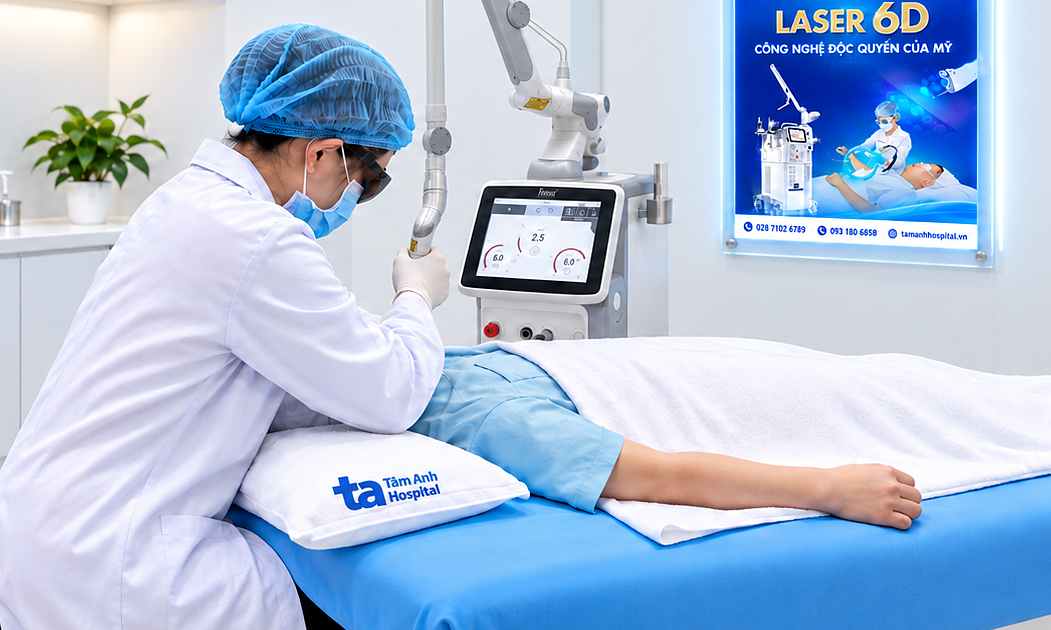
Repetitive transcranial magnetic stimulation (rTMS), a non-invasive technique that safely impacts the prefrontal cortex.
Integration of a positive lifestyle: regular physical exercise and stress relief through music.
Thanks to consistently combining medication, rTMS, and a scientific lifestyle over three years, Xiao Qing recovered both physically and mentally. She confidently retook her exams and was officially admitted to medical school, fulfilling her dream.
Doctor Zhang urged young people and parents: Failure and pressure are unavoidable on the path to adulthood. When noticing unusual psychophysiological changes, adolescents should not suffer in silence, and parents need to listen early, set aside prejudices, and support their children in seeking timely professional help.
My Y (According to Yahoo TW)