As the body ages, artery walls gradually lose elasticity, becoming stiff and narrow, forcing the heart to work harder to pump blood. This prolonged condition leads to decreased heart function and various chronic diseases, including high blood pressure, coronary artery disease, arrhythmias, and atherosclerosis. Beyond age, an unscientific diet contributes to the progression of heart conditions. Dr. CKI Dao Thi Yen Thuy, Head of the Department of Nutrition and Dietetics at Tam Anh General Hospital TP HCM, encourages individuals to adjust their nutrition to prevent cardiovascular disease.
Enhance plant-based fiber and antioxidants
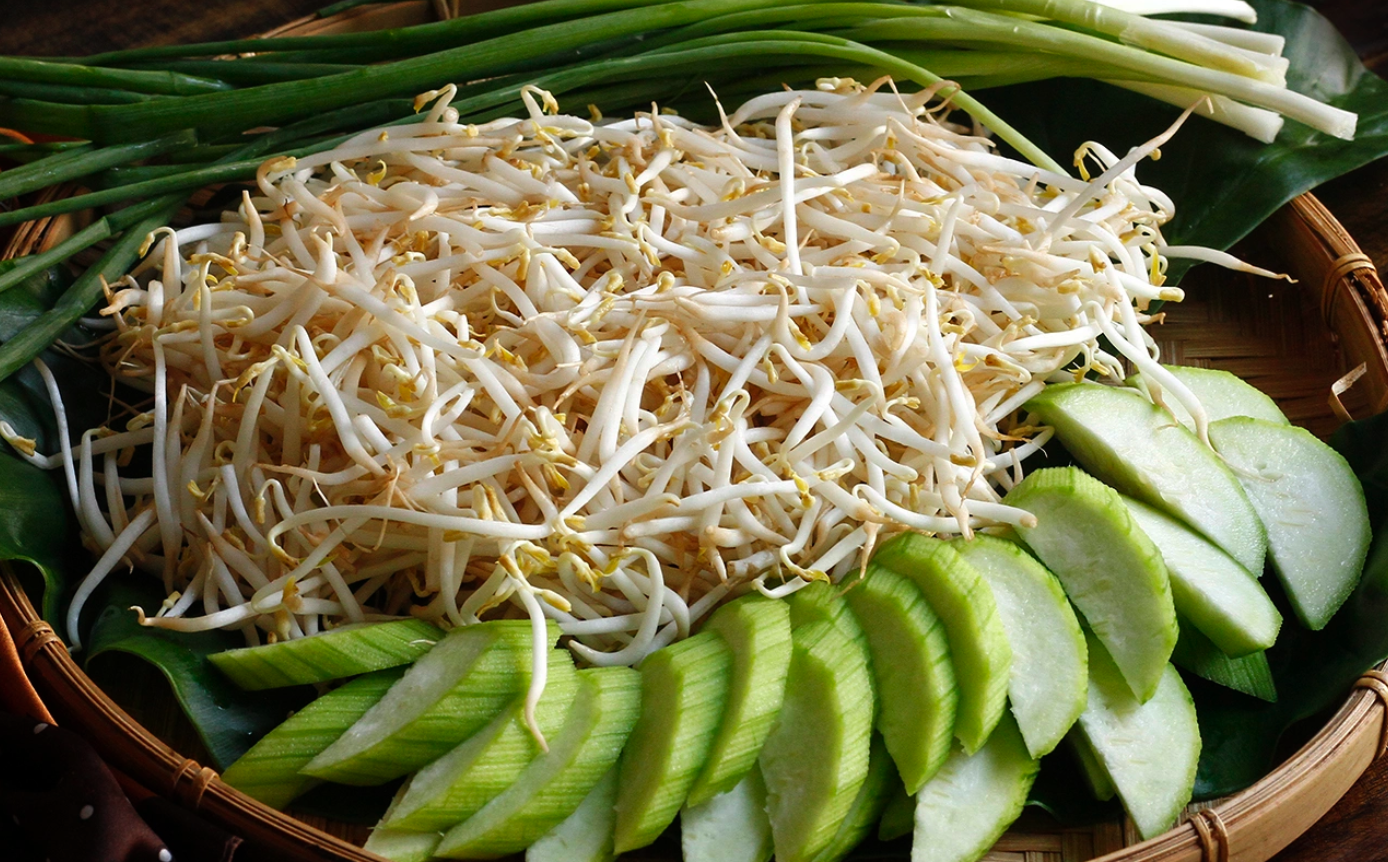
To protect artery walls, prioritize increasing fiber and antioxidant intake from plant sources. Fresh vegetables and fruits are typically low in calories and rich in vitamins, minerals, and bioactive compounds that neutralize free radicals. Opt for whole grains like brown rice, oats, and whole-wheat bread instead of refined grains. These provide soluble fiber, which helps manage blood lipids and maintain stable blood pressure.
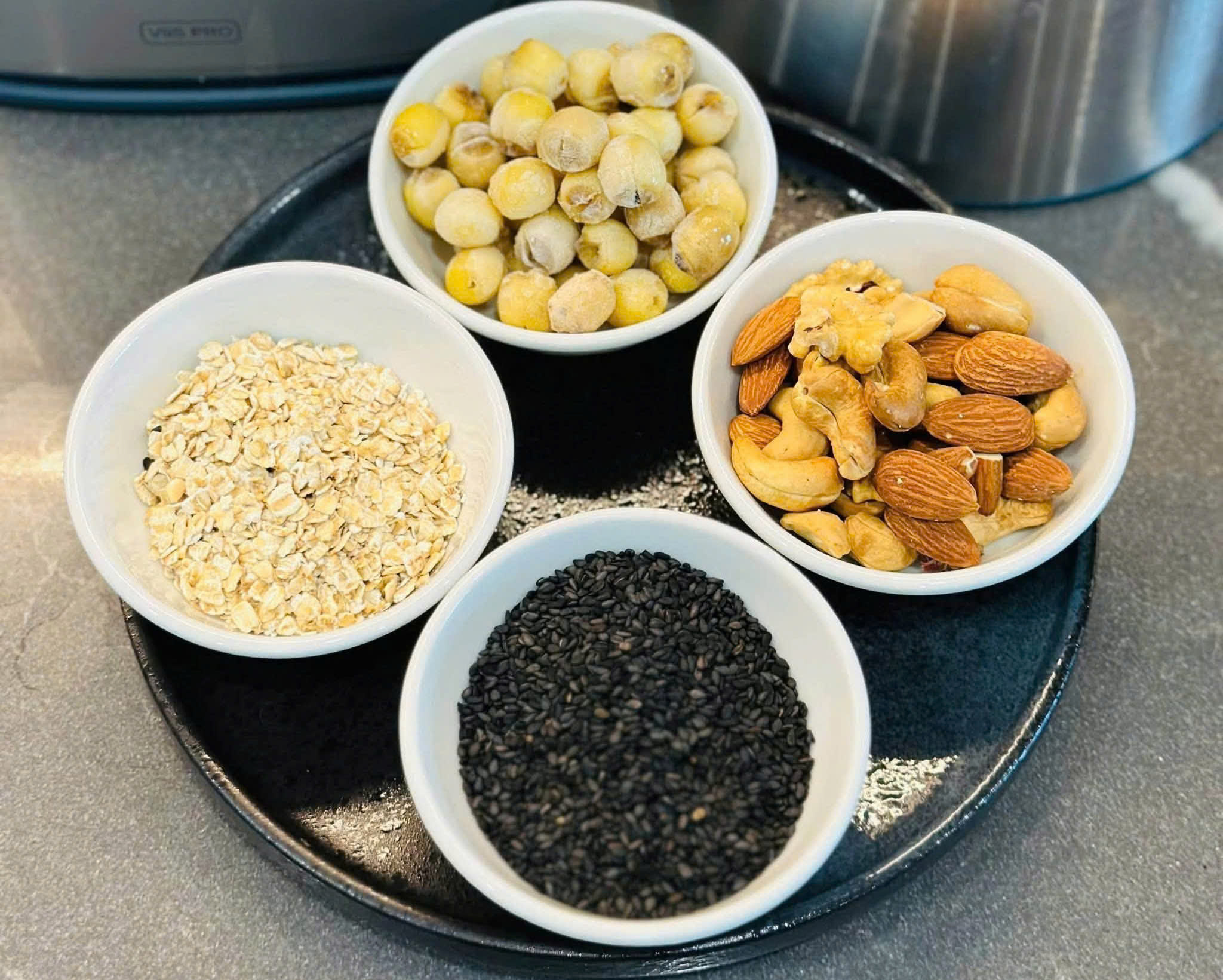 |
Plant-based fiber and antioxidants are beneficial for heart health. Photo: Mai Linh
Choose healthy protein and fats
Diversify protein sources in your diet. Increase plant-based protein from legumes and nuts, and include fish. If consuming animal meat, choose lean, skinless cuts and minimize processed products such as sausages and cold cuts. Incorporate unsaturated fats from vegetable oils and limit trans fats.
Control salt and sugar intake
To support blood pressure control, adults should consume no more than 2,300 mg of salt daily, which is equivalent to one teaspoon. Individuals with high blood pressure should aim for less than 1,500 mg or follow their doctor's recommendations. Older adults should also limit foods high in added sugars, such as bottled soft drinks, sweets, and fast food, to reduce the risk of metabolic disorders and chronic inflammation.
In addition to dietary adjustments, patients can consider naturally extracted bioactive nutrients such as policosanol, red yeast rice, Gynostemma pentaphyllum, apple extract, and alpha lipoic acid. These active compounds help regulate blood lipids, contributing to a reduction in bad cholesterol and an increase in good cholesterol, which can help manage blood pressure. Dr. Yen Thuy notes that nutrition serves only a supportive role and cannot replace medical treatment protocols. Alongside a scientific diet, everyone should maintain light physical activity, get sufficient sleep, and manage stress.
If unusual symptoms appear, such as chest pain, shortness of breath during activity, palpitations, or a sudden spike in blood pressure, patients should seek medical examination.
Bui Duc
| Readers can ask nutrition questions here for doctors to answer |