While regular exercise offers numerous benefits, overdoing it or not allowing sufficient rest can backfire. According to Healthline, overtraining syndrome occurs when exercise intensity or frequency exceeds the body's recovery capacity. This leads to decreased performance and impacts both physical and mental well-being. Persisting with workouts without adequate rest increases the risk of injury and health decline.
**Prolonged Fatigue Despite Sufficient Sleep**
Eatingwell notes that rest is a crucial part of the training process, helping the body repair muscle damage and adapt for greater strength. If you frequently feel sluggish and lack energy, even with adequate sleep and normal eating habits, your body may not be fully recovering from workouts. When muscles and the nervous system do not have enough time to recover, you can feel exhausted both inside and outside the gym.
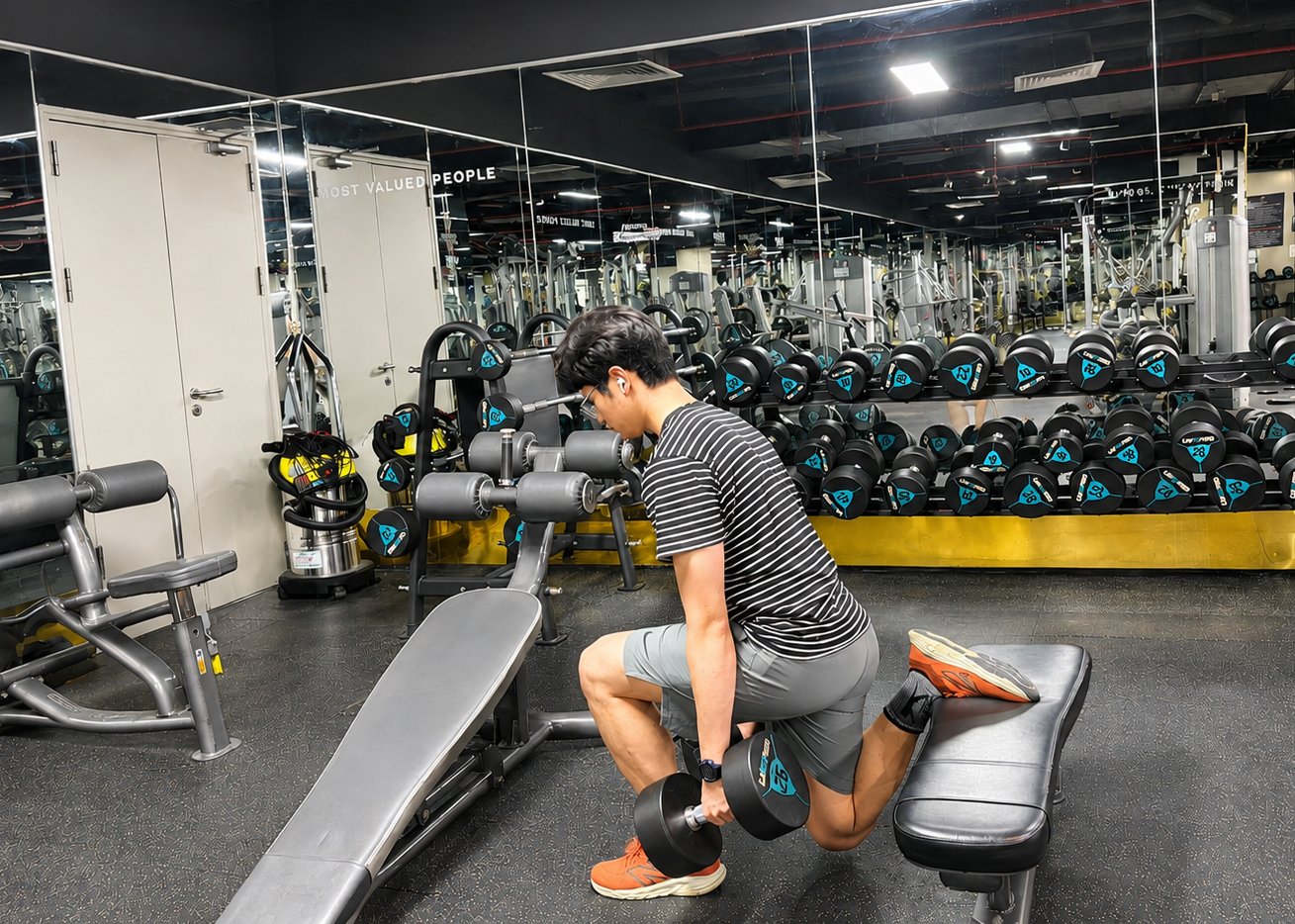 |
Strength exercises, such as weightlifting, help build muscle. Photo: Bao Bao |
**Decreased Workout Effectiveness**
If you find yourself running slower, lifting less weight, or tiring more quickly while maintaining your training schedule, this could be a warning sign. According to Health, many believe that more training leads to faster progress. However, a continuous decline in performance may indicate that your body is overloaded. Instead of increasing intensity, consider reducing your training volume and allowing more recovery time.
**Persistent Muscle or Joint Pain**
Delayed Onset Muscle Soreness (DOMS) typically subsides after one to three days. However, if pain persists for several days, recurs in the same spot, or if you experience joint pain during movement, this should not be ignored. Persistent aches may indicate that muscles and connective tissues have not recovered, or that overtraining injuries have occurred. The Times of India also warns that continuing to exercise through pain can increase the risk of more serious injuries.
**Difficulty Sleeping or Restless Sleep**
While some expect exercise to improve sleep, overtraining can have the opposite effect. High-intensity training, especially late in the day, can keep the nervous system in an overstimulated state. This leads to difficulty falling asleep, restless sleep, or waking up feeling tired. Quality sleep is when the body releases growth hormones and repairs tissues damaged during activity.
**Frequent Irritability, Loss of Interest in Training**
If once exciting workouts now feel like a burden, or if you become more irritable and stressed than usual, the cause may not be purely psychological. Overtraining can affect the nervous and endocrine systems, leading to mood swings, reduced motivation, and difficulty concentrating.
**Frequent Colds or Minor Illnesses**
If you experience frequent colds or common infections, your immune system may be compromised. Prolonged overtraining can temporarily suppress immune function, making the body more susceptible to illness, especially when combined with lack of sleep or inadequate nutrition.
Experts advise that if one or more of these signs appear for several consecutive days, you should reduce intensity or take a few days off to allow your body to recover. Adequate rest, sufficient sleep, replenishing protein and carbohydrates post-workout, staying hydrated, and alternating intense workouts with light activity days all help mitigate the risk of overtraining.
If you experience severe pain, joint swelling, unresolving injuries, or if fatigue persists for weeks despite rest, seek medical attention for timely assessment and treatment.
Bao Bao (Compiled)