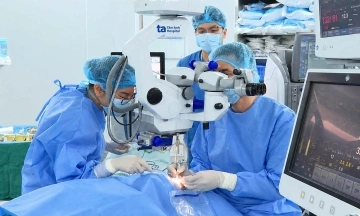
The pupil is the black, circular area in the center of the iris, tasked with regulating the amount of light that enters the eye. In bright environments, pupils typically constrict, while in darkness, they dilate to let in more light. Pupil size varies among individuals. According to Cleveland Clinic, pupil diameter is usually about 2-4 mm in strong light and 4-8 mm in low-light conditions.
Abnormal pupil dilation can occur even in non-dark environments, potentially affecting one or both eyes. Here are some common causes.
Eye drops for medical examinations
This is one of the most common causes. Doctors may administer dilating eye drops to get a clearer view of the retina and internal eye structures, aiding in the detection of conditions like diabetic retinopathy or glaucoma.
After the drops, vision may be blurry and eyes sensitive to light for several hours. This condition typically resolves on its own as the medication wears off.
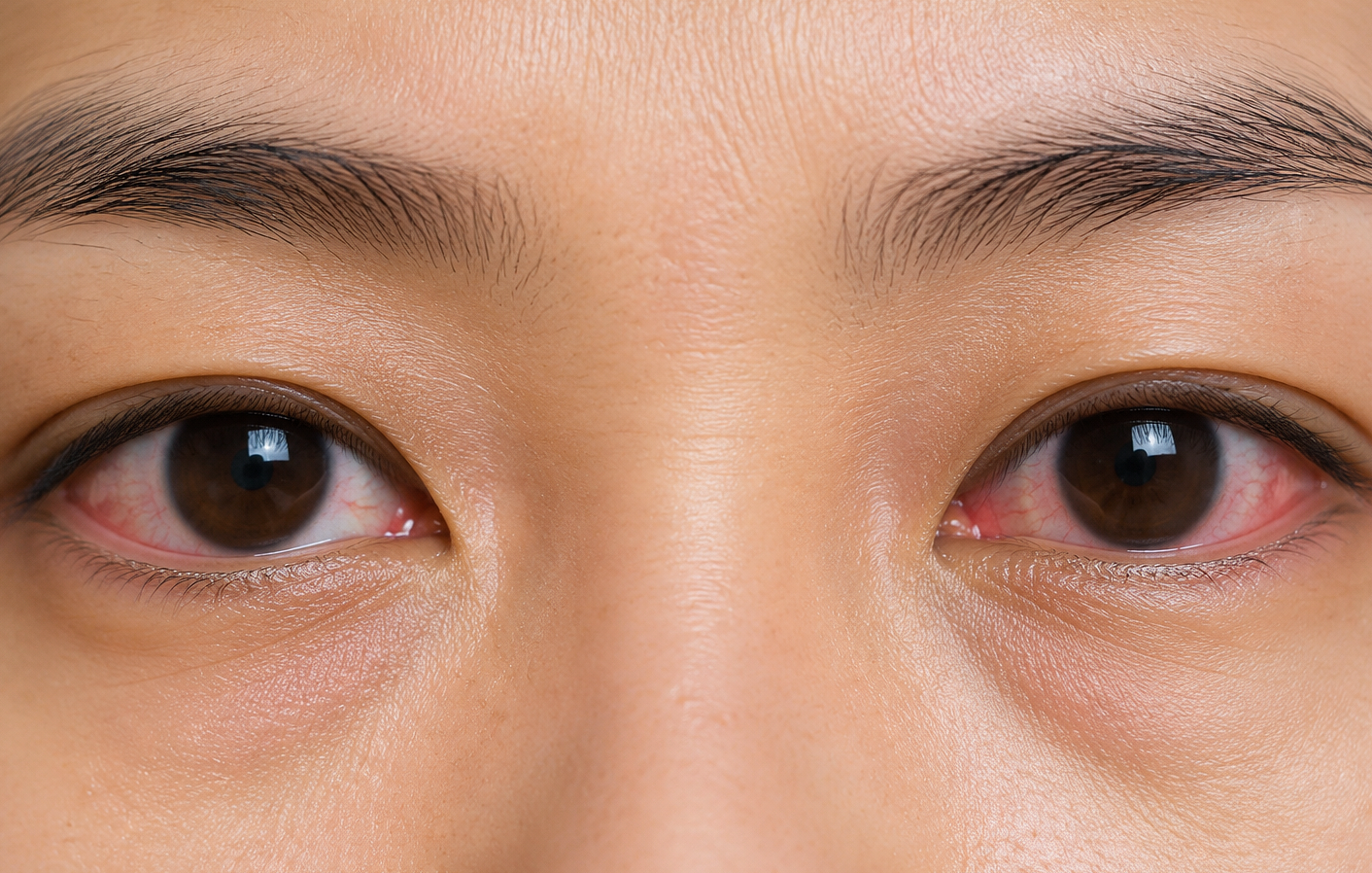 |
Pupil dilation can be caused by changes in light, dilating eye drops, or neurological conditions. Image created by AI |
Certain medications
Some medications can cause pupil dilation by affecting the nervous system, particularly anticholinergic drugs. The time it takes for pupils to return to normal depends on the specific medication and how long its effects last in the body. Do not stop medication on your own if you suspect this is the cause; instead, consult a doctor.
Eye injury
A strong blow to the eye or exposure to certain toxins can damage the structures that control the pupil, leading to abnormal dilation. If pupil dilation occurs after an eye injury, accompanied by vision changes, seek emergency medical attention to rule out severe damage.
Certain neurological conditions
Neurological conditions involving abnormalities in the nerves responsible for eye control can alter pupil size and reflexes. For example, Adie's tonic pupil syndrome is a rare disorder causing one pupil to be larger and react poorly to light, sometimes accompanied by blurred vision or light sensitivity.
Third cranial nerve palsy can also cause pupil dilation, double vision, or drooping eyelids. In some rarer cases, this nerve palsy is linked to an aneurysm and requires urgent evaluation.
Head trauma
Following a severe head injury, pupils may dilate, sometimes unilaterally. Patients may also experience loss of consciousness, memory impairment, or other neurological symptoms. Pupil dilation tends to occur after a significant impact to the head, so it should not be considered a normal eye change.
Migraines
Some migraines with aura – transient neurological symptoms often appearing before or during a headache – can be accompanied by pupil changes. Patients may experience visual symptoms like flashing lights or blind spots before or during the headache.
When pupils are noticeably larger than the iris, individuals may observe this by looking in a mirror or taking a photo of their eyes, especially if the two eyes have different sizes.
However, self-observation cannot determine the underlying cause. Individuals should seek medical attention if pupils dilate spontaneously without a clear reason, especially if the condition affects only one eye or persists unusually. Doctors typically check pupil size in both bright and dim conditions, assess light reaction, vision, and other abnormal signs. Depending on the case, additional tests or imaging may be required.
Bao Bao (Compiled)
| Readers can send questions about ophthalmological conditions here for doctors to answer. |