The most crucial part of a workout might actually be the time after it ends. As people age, muscles become less responsive to protein and growth-stimulating signals, making post-exercise recovery essential for muscle tissue regeneration and strength maintenance. Jacob Zemer, a fitness coach in New York, emphasizes recovery for his clients, who are primarily between the ages of 35 and 55.
"Most of my clients are genuinely focused on healthy living and longevity," Zemer told Fox News Digital. "They aren't looking to become bodybuilders or professional powerlifters; they simply want to age healthily."
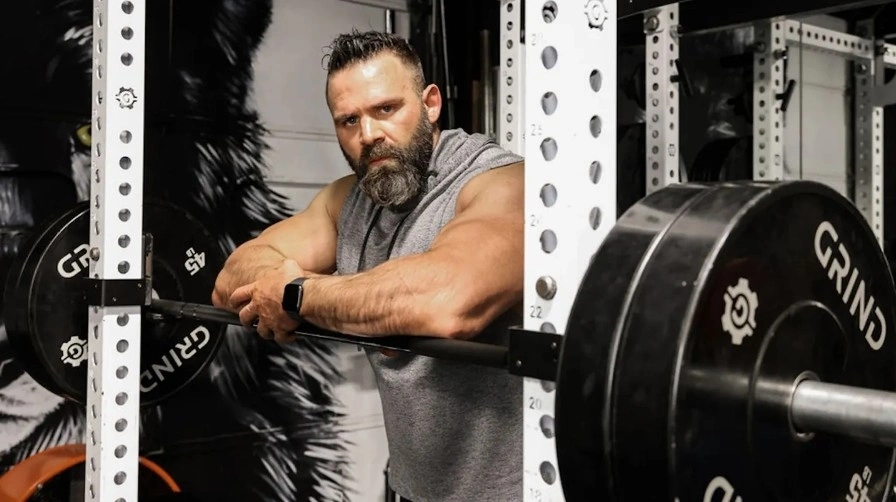 |
Fitness coach Jacob Zemer. Photo: Jacob Zemer |
The coach suggests six methods to optimize post-exercise recovery. First, ensure 7 to 9 hours of quality sleep each night. To achieve deep sleep and optimize the body's self-healing process, individuals should stop eating a few hours before bed to significantly lower their resting heart rate.
Additionally, maintaining a consistent sleep schedule, ceasing electronic device use several hours before bed, and avoiding stressful conversations are crucial. Moreover, taking a warm bath before sleep temporarily raises body temperature, which then gradually decreases, stimulating natural drowsiness. The bedroom environment should also be kept dark and maintained at a cool temperature between 15,5 and 18 degrees Celsius.
Beyond sleep care, undergoing regular health check-ups and blood tests is vital for early detection of potential issues that could hinder recovery. Zemer advises individuals to proactively monitor hormone levels and ensure all bodily organs function well, as physical condition changes with age.
However, medical experts emphasize that preventive health screenings should be flexibly personalized based on factors such as age, gender, actual symptoms, and medical history. The US Preventive Services Task Force (USPSTF) recommends screening for common conditions including: hypertension, prediabetes, type 2 diabetes, and osteoporosis.
In addition to the above factors, applying heat therapy is another effective way to support muscle strength and accelerate recovery. Warm temperatures dilate blood vessels, thereby increasing blood flow to fatigued muscles and promoting nutrient delivery for regeneration.
A 2025 review report based on 22 studies showed that nearly half of participants experienced significantly improved muscle function recovery through heat therapy. The coach added that if a sauna is unavailable, individuals can simply take a hot shower after a workout to stimulate the release of heat shock proteins, which aids recovery and helps optimize muscle growth.
Along with heat therapy, performing post-exercise stretching is an indispensable step. After completing a workout, muscle fibers tend to shorten, so stretching helps lengthen them and return muscles to their natural state. Since strength training can create significant stress and wear on the body, maintaining flexible range of motion by exercising through a full range of movement and incorporating immediate post-workout stretching is key to protecting the musculoskeletal system.
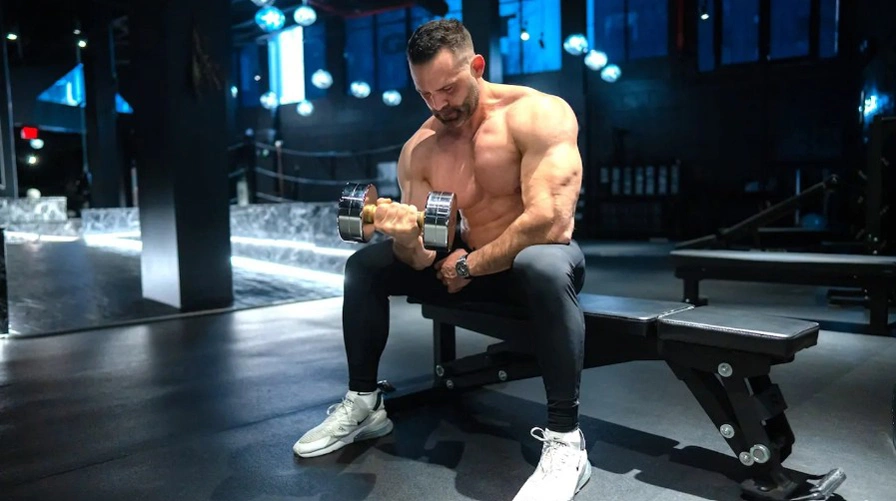 |
Zemer during a workout. Photo: Jacob Zemer |
Regarding nutrition and hydration, adequate protein intake after exercise is crucial for muscle repair and regeneration. The International Society of Sports Nutrition (ISSN) recommends consuming 20 to 40 grams of high-quality protein after a workout, along with a daily intake of approximately 1,4 to 2 grams per kilogram of body weight for active individuals. However, protein needs should be individualized, especially for those with underlying health conditions. Furthermore, adequate hydration before exercise is very important. Dehydration puts individuals at a disadvantage during a workout, leading to decreased performance and unexpected results.
Finally, individuals need to dedicate time for rest and proper nutrition to lower cortisol levels, helping the nervous system and muscles relieve post-exercise stress. A 2026 review report confirms that the benefits of exercise are maximized only when the "stress response - adaptation - recovery" cycle is fully supported with adequate rest, sleep, and energy intake.
Coach Zemer notes that individuals need to clearly distinguish between positive muscle soreness and pain due to injury. Benign muscle soreness typically lasts only about one day, but if it persists for more than 2-3 days or causes joint pain, it indicates overexertion.
In such cases, the solution is not to stop exercising completely but to reduce the workout volume by about 30% to allow the body to gradually adapt. Individuals should also avoid the misconception that endorphins released during exercise can temporarily mask pain; pushing through pain will worsen injuries, disrupting the consistency of their training regimen.
By Binh Minh (According to The Fox News)