


Dr. Dam Thi Thuy Hong, Head of the Aesthetics Department at Tam Anh Hanoi General Hospital, described Ninh's condition as "corticoid-addicted" skin. This condition typically results from the overuse of various corticoid-containing medications, which are often available without a prescription. Topical corticosteroids are widely used in dermatology for their anti-inflammatory, redness-reducing, and rapid itch-relieving effects.
However, Dr. Hong cautioned that prolonged application of these medications can lead to skin dependency and severe complications. In Ninh's case, symptoms included alternating hypopigmentation and prominent dark red spider-web-like telangiectasias on her cheeks. Her facial skin was thin, easily flushed, and prone to rashes and itching. Other symptoms included dense, soft, and dark vellus hair growth, persistent dermatitis, and severe flare-ups if the medication was stopped abruptly.
Dr. Hong noted that Ninh's skin could recover with correct treatment and adherence to the prescribed regimen. The treatment plan included advanced laser systems, specifically fotona 6D and starwalker, along with a long-pulse nd:YAG 1064 laser to target redness, telangiectasias, and uneven pigmentation. Ninh also received platelet-rich plasma (prp) injections, which stimulate skin regeneration and collagen production, helping her skin gradually become thicker and healthier. After 4 months, her skin condition improved, showing more even tone and reduced sensitivity.
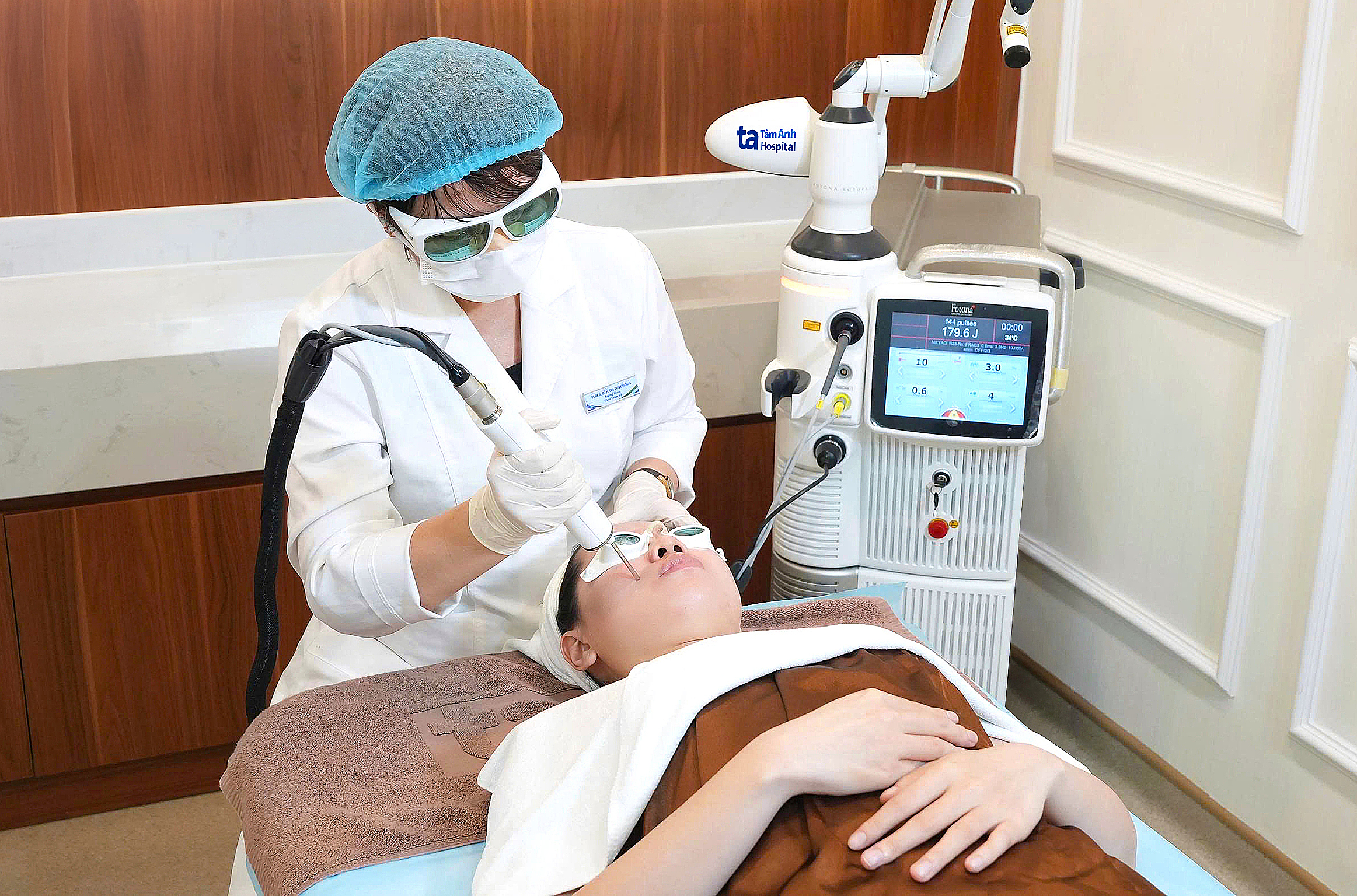 |
Dr. Hong treats Ninh's skin with the fotona 6D laser system. Photo: Tam Anh General Hospital |
The choice of potent or mild corticoids, dosage, and application duration must be carefully considered by a doctor based on the patient's condition, affected skin area, and treatment response. "Patients should not use topical skin medications, especially those containing corticoids, without a doctor's guidance," Dr. Hong advised. She emphasized the importance of seeking medical attention at a reputable hospital or specialized clinic for proper diagnosis and treatment if the skin exhibits unusual signs like persistent redness, itching, peeling, darkening, or abnormal sensitivity.
Thanh Ba
| Readers can send questions about dermatological conditions here for doctors to answer |



