PET/CT is an imaging method that combines computed tomography (CT) and positron emission tomography (PET). This technology provides both the clear anatomical structural images from CT and early cellular and molecular level lesion images from PET.
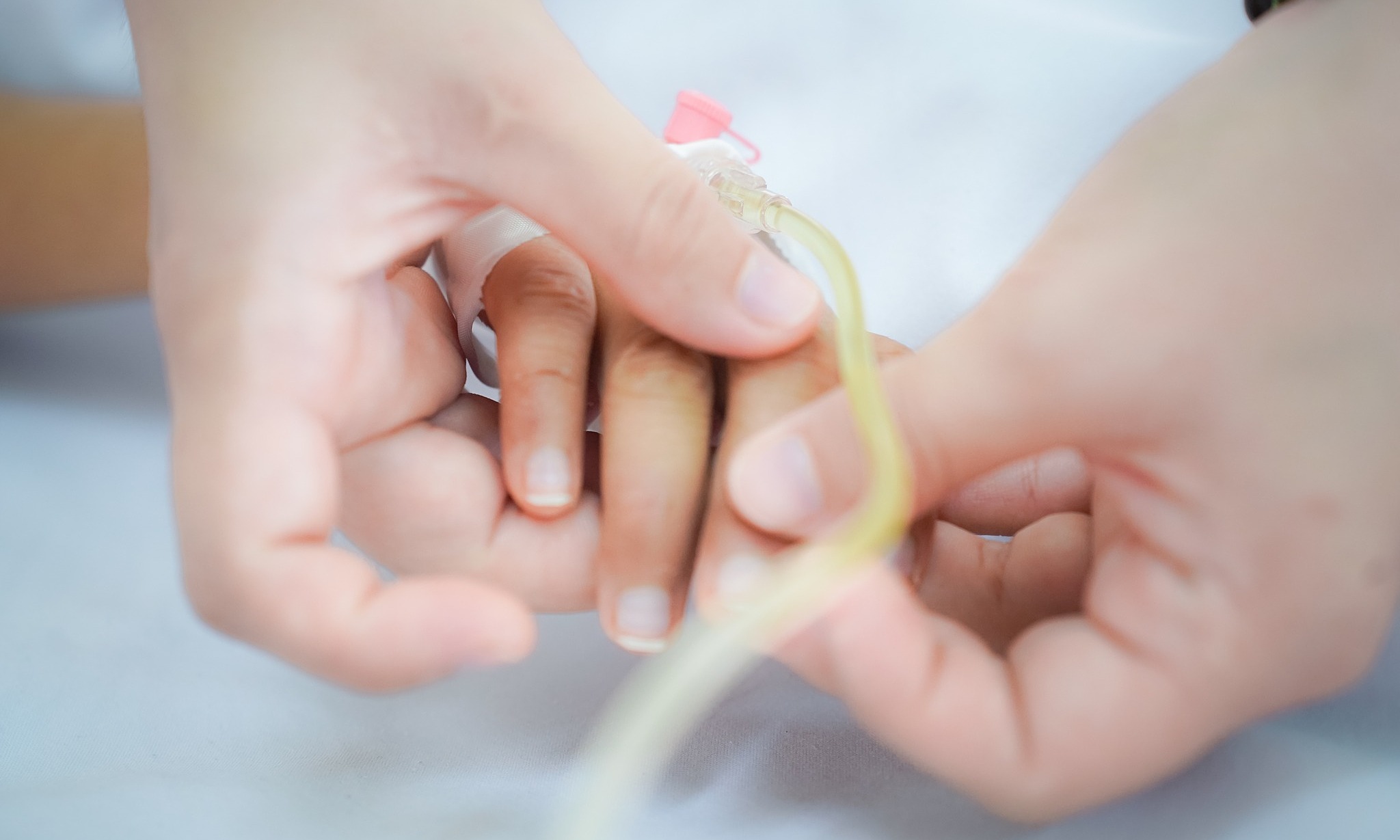
In the body, cancer cells grow and multiply rapidly, requiring more sugar than healthy cells. During a PET/CT scan, patients receive an intravenous injection of a mildly radioactive tracer, commonly fluorodeoxyglucose (FDG), which has a structure similar to simple sugar (glucose).
PET/CT scanners detect areas of high FDG uptake, indicating increased glucose metabolic activity. This suggests the location of primary tumors or metastatic lesions.
 |
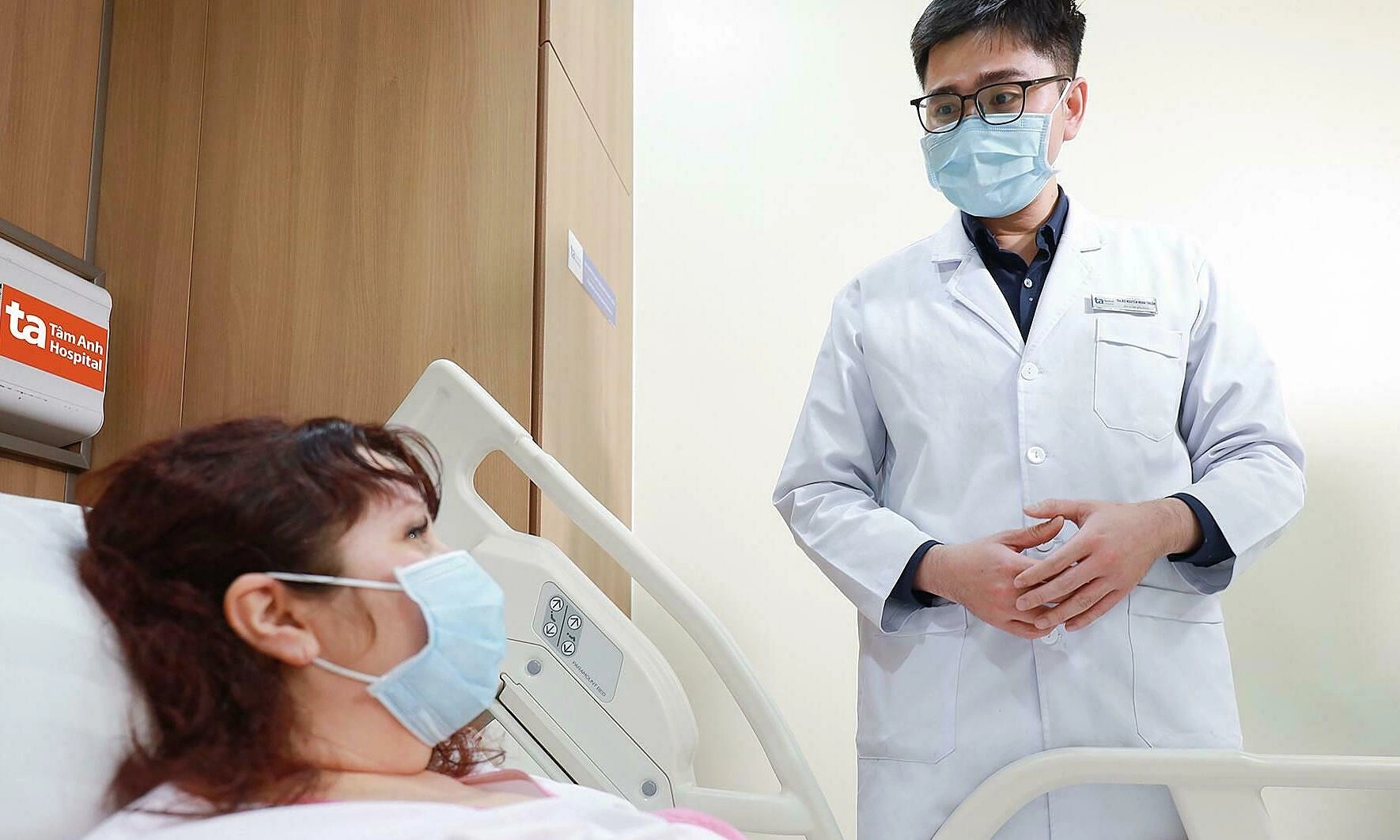
Patient undergoing PET/CT scan. Photo: Tam Anh General Hospital |
The results of a PET/CT scan help doctors identify tumor size, the extent of metastasis, and whether cancer has spread to lymph nodes or other organs. The whole-body scanning capability of PET/CT is particularly effective at detecting small metastatic foci that other methods might miss.
This diagnostic method does not cause tumor spread or affect chemotherapy or radiation therapy treatments. After the scan, a very small amount of the radioactive pharmaceutical remains in the body. Therefore, patients should drink plenty of water, about 10 glasses, within 24 hours post-scan to help the body eliminate the radioactive substance through urine. Unless otherwise instructed by the treating physician, you can eat, live, and exercise as usual after the scan.
You should limit close contact with children and pregnant women for 24 hours after a PET/CT scan. Remember to wash your hands thoroughly after using the restroom, especially if you come into contact with urine, as radioactivity is cleared through urine. Mild reactions such as skin redness, pain, or swelling may occur at the injection site of the radioactive pharmaceutical. If you experience increased pain, swelling, discharge, numbness, or prolonged burning, you should go to the hospital for timely examination and evaluation by medical staff or your treating physician.
Dr. Ngo Truong Son
Deputy Head of Oncology Department
Tam Anh General Hospital Hanoi
| Readers can submit questions about cancer here for doctors to answer |