Many young people, especially Generation Z, are increasingly sacrificing sleep for late-night entertainment and self-care, leading to disrupted circadian rhythms and insufficient rest, stated Dr. Nguyen Nhu Vinh, Associate Professor and Head of the Sleep Medicine Clinic at the University Medical Center Ho Chi Minh City. He spoke at the "For Healthy Sleep - Improving Community Quality of Life" program, co-organized by the Comprehensive Community Health Communication and Education Association, on the afternoon of 19/12.
This trend extends beyond Gen Z, with many adults, particularly office workers, actively shortening their sleep. Dr. Vinh noted that while these individuals may not struggle to fall asleep, they often reduce sleep to "make up" for personal time after dedicating their days to work. This habit shortens sleep, disrupts the biological clock, and causes numerous health consequences.
The immediate consequences of inadequate or poor-quality sleep are significant, impacting both daily function and safety. Reduced concentration and slower reflexes directly hinder work performance. More concerning, individuals with snoring and sleep apnea – a condition common in overweight men – risk falling asleep while driving or operating machinery, potentially leading to traffic and workplace accidents.
Sleep accounts for approximately one-third of a person's life, vital for energy restoration, memory consolidation, and immune system enhancement. Chronic sleep deprivation or disorders not only reduce quality of life but also heighten the risk of cardiovascular disease, mental health disorders, and long-term health complications. This condition also affects family life, causing daytime fatigue, irritability, or persistent snoring.
"Prioritizing sleep care for the young workforce is essential to maintaining a healthy, safe, and productive labor force," Dr. Vinh emphasized.
Experts confirm a noticeable rise in sleep-related conditions, highlighting the growing public health concern. Dr. Tran Duc Si, Head of the Sleep Medicine Neurology Clinic at Pham Ngoc Thach University of Medicine, noted that clinical practice has seen a significant increase in these pathologies in recent years. Beyond common disorders from stress, anxiety, and depression, obstructive sleep apnea is becoming increasingly prevalent.
"Most patients endure sleep disorders for extended periods without realizing they have a problem," Dr. Si said. "Conversely, some individuals become overly anxious about normal physiological changes in sleep."
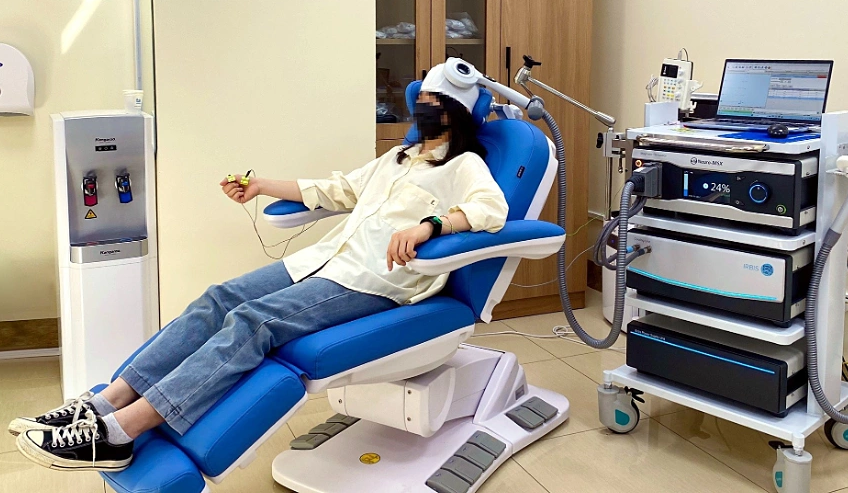 |
Patients receiving treatment for insomnia. Photo: *Trung Vu* |
Modern approaches to treating sleep disorders are comprehensive and tailored to individual needs. Experts state that treatment extends beyond medication to a multi-modal strategy based on the underlying cause. Depending on the case, patients may receive medication, continuous positive airway pressure (CPAP) therapy, or simply lifestyle adjustments, sleep hygiene, physical exercise, and weight management.
Addressing widespread misconceptions about sleep is crucial for effective prevention and treatment. Doctors emphasize dispelling beliefs such as "snoring means good sleep" or "insomnia is caused by cerebral anemia." Only with accurate understanding will people proactively manage their sleep and seek medical attention early for any unusual signs.
Le Phuong