On 11/3, doctors at Cao Bang General Hospital reported that a patient experienced complications due to a forgotten JJ stent after urinary stone surgery two years ago.
The patient had a history of kidney stones, undergoing lithotripsy and stent placement. Doctors scheduled a follow-up in two weeks for stent removal, but the patient missed the appointment. Recently, he experienced lower back pain, dull abdominal pain, painful urination, and blood in his urine. Ultrasound revealed bladder stones, hydronephrosis, right kidney stones, and the JJ stent still in his urinary tract. He required surgery to remove the stent, combined with medical treatment and follow-up.
A JJ ureteral stent is a type of catheter typically inserted after kidney or ureteral stone surgery. Its purpose is to drain urine from the kidney to the bladder, ensuring urinary flow during recovery. However, these stents should only remain in the body for a specific duration, usually from a few weeks to several months, depending on the individual case.
Leaving a JJ stent in the body for too long can lead to mineral deposits, forming stones around the tube. This can cause urinary tract obstruction, infection, prolonged pain, and increase the risk of complications for the patient. In many cases, a "forgotten" stent makes treatment more complex, sometimes requiring surgical intervention for removal.
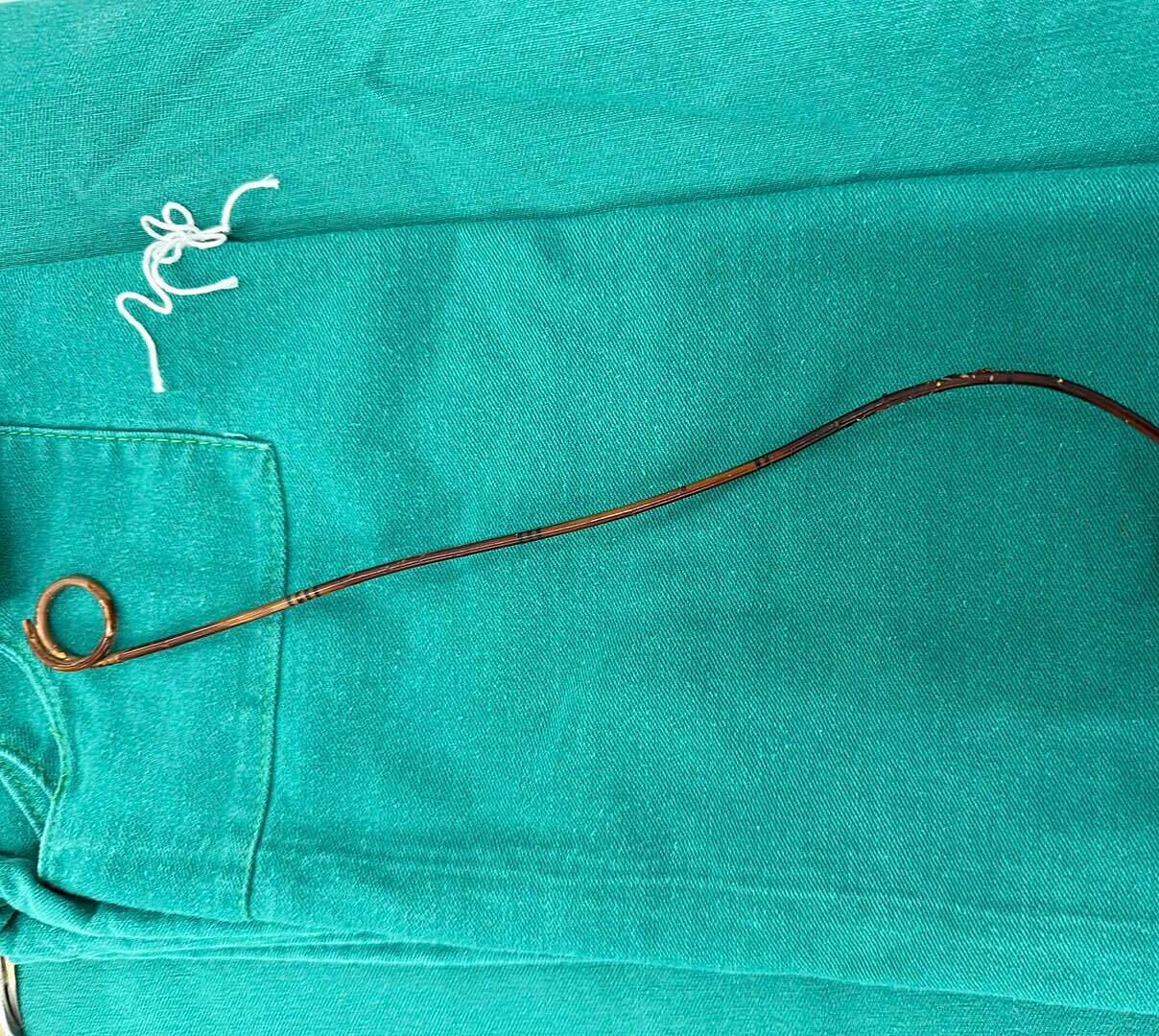 |
The JJ stent forgotten in the patient's body for two years. Photo: *Hospital provided* |
Doctors advise patients to strictly follow post-operative follow-up schedules and remember the designated time for stent removal. Even without unusual symptoms, patients should keep their appointments to monitor recovery and prevent complications. If symptoms such as lower back pain, painful urination, blood in urine, fever, or difficulty urinating occur, patients should seek immediate medical attention for examination and timely treatment.
Thuy An