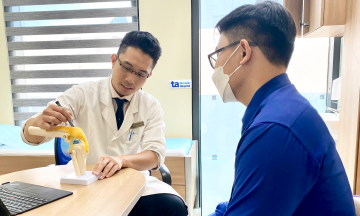
Osteoporosis is a condition characterized by a gradual decrease in bone density, leading to thin, brittle bone structures. This weakens the skeletal system, making it prone to injury. Key indicators of this condition are outlined below.
Repeated wrist and hand fractures
According to Times of India, wrists and the small bones of the hands contain a high proportion of spongy bone, making them common initial sites for osteoporosis symptoms. Weakened wrist bones lose their supportive strength, meaning even a minor fall can lead to a fracture.
Weakened grip strength and stiff hand joints
Hand grip strength correlates highly with overall bone density. Difficulty opening jar lids, lifting shopping bags, or securely grasping objects may indicate underlying osteoporosis. Addressing hand weakness through exercises and a medical examination is crucial for assessing bone and joint health.
Hip and leg fractures and pain
The hip region is highly susceptible to osteoporotic fractures. Hip fractures severely restrict mobility, impacting daily activities, particularly for older adults.
Osteoporosis-related leg fractures occur due to severe impairment of bone mineral density and structure. Normally, old bone is continuously broken down and replaced by new bone. However, with osteoporosis, bone destruction outpaces new bone formation. Patients may also experience recurrent leg pain without clear signs of injury.
Gradual height reduction
While humans reach maximum height in adulthood, height can decrease over time. For instance, a man may be 1,5 cm shorter at 80 compared to 35, or a woman once 1,63 m tall might measure only 1,57 m at 90.
A slight height reduction is a normal part of aging, often due to changes in vertebrae, discs, or posture. However, osteoporosis weakens bones and reduces bone density, contributing to more significant height loss, according to Very Well Health.
Receding gums and loose teeth
Teeth are anchored by alveolar bone. With osteoporosis, this bone structure becomes porous and weak, causing gums to lose support and recede. Jawbone resorption also loosens the periodontal ligament system, preventing firm attachment to tooth roots and leading to unstable teeth. Dentists often detect early signs of osteoporosis during routine check-ups.
To protect bone and joint health, individuals should ensure adequate intake of calcium and vitamin D through diet, as advised by a doctor. Engaging in physical activities like walking and resistance training helps strengthen bones. Limiting smoking and excessive alcohol consumption, along with regular health check-ups, can facilitate early detection of osteoporosis risk and timely intervention.
Le Nguyen (Compiled)