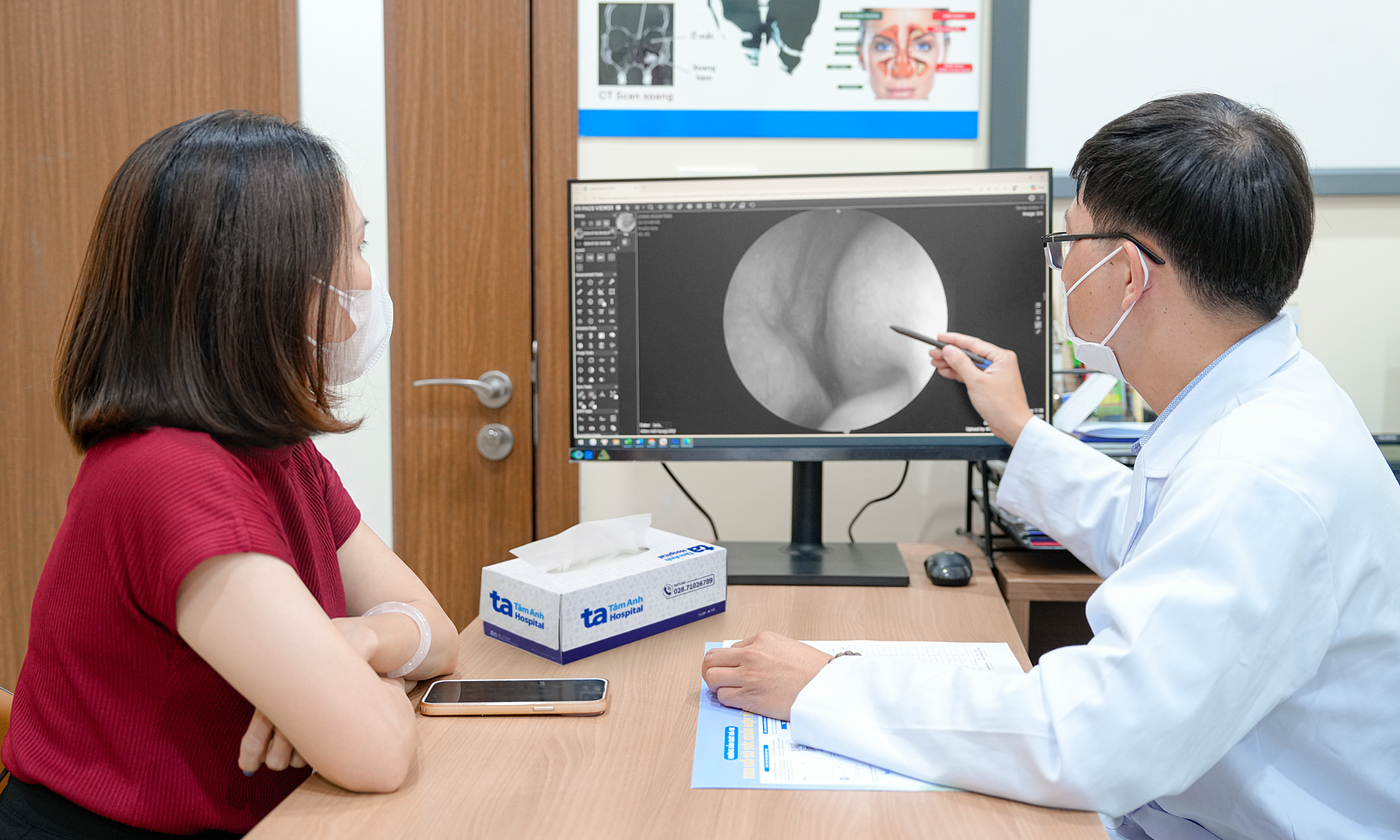
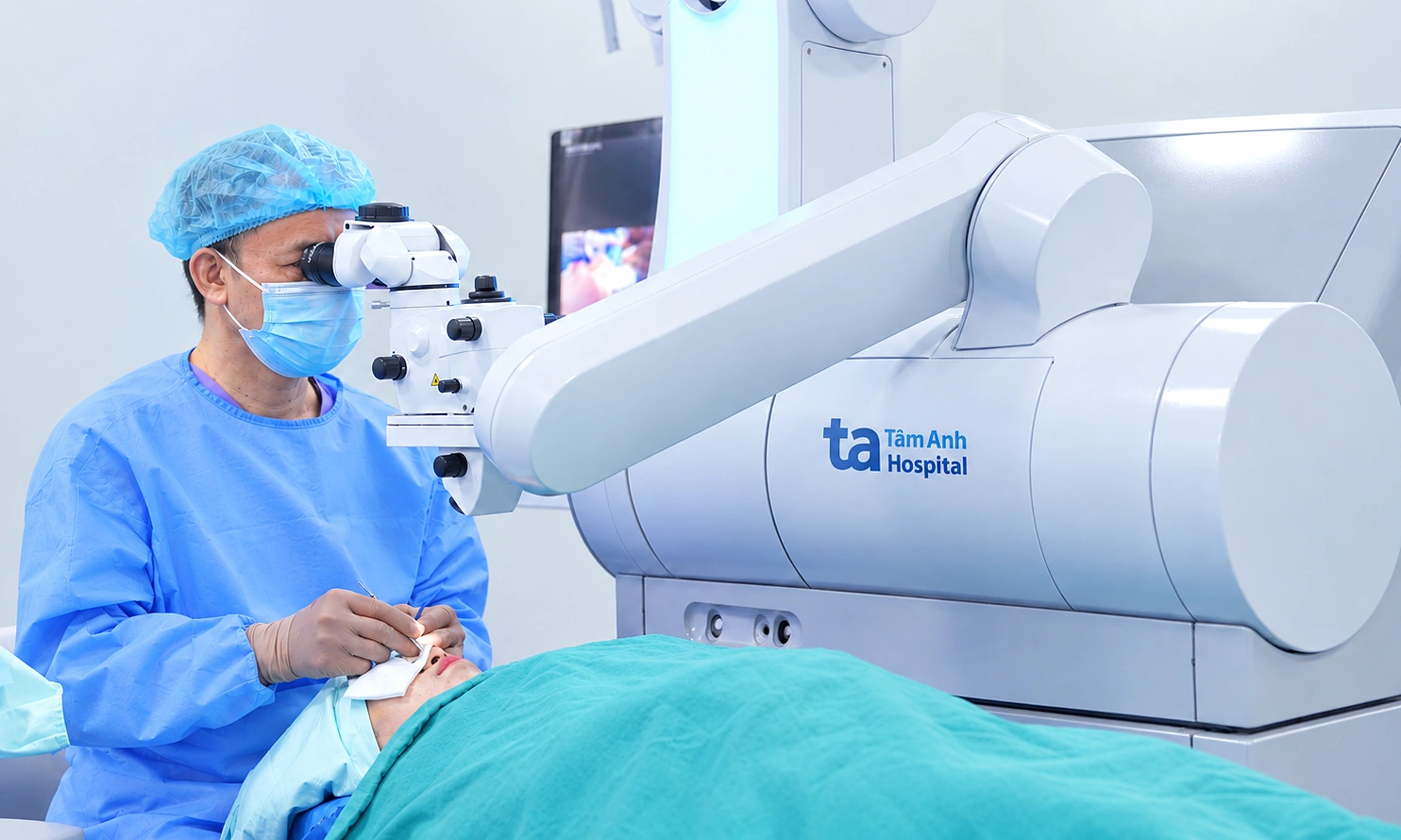
The health of both partners before pregnancy significantly impacts the pregnancy and the baby's well-being. Dr. Vu Thi Ngoc, from the Center for Reproductive Assistance, Tam Anh General Hospital Hanoi (IVF Tam Anh), states that issues such as hormonal disorders, chronic illnesses, infections, or genetic abnormalities can silently reduce the chance of conception, increase the risk of miscarriage, or affect the health of both mother and baby.
Dr. Ngoc advises couples to proactively undergo a health check-up approximately 3-6 months before planning to conceive. Based on age, occupation, and medical history, doctors will recommend a suitable list of tests. They will also provide guidance on nutritional adjustments, folic acid supplementation, and vaccinations if necessary.
Below are important test categories typically recommended by doctors:
Assessing reproductive function
For women, doctors commonly prescribe hormonal tests including AMH, FSH, LH, Estradiol, and Progesterone (timed according to the menstrual cycle). These are combined with an ultrasound of the uterus and ovaries, and an ovarian follicle count. This information helps evaluate ovarian reserve, ovulation capacity, and detect early abnormalities such as polycystic ovary syndrome, diminished ovarian reserve, or gynecological conditions that affect the ability to conceive.
For men, semen analysis is the most fundamental and important test to assess sperm count, motility, morphology, and quality. If abnormalities are detected, doctors may order additional reproductive hormone tests, scrotal ultrasound, testicular ultrasound, or genetic tests to identify the cause. Dr. Ngoc notes that more than 40-50% of infertility cases are linked to male factors.
General health check-up and chronic conditions
A complete blood count is a basic test for both men and women. It helps detect anemia, infection, clotting disorders, or hematological conditions that can impact reproductive health and pregnancy.
Blood biochemistry tests assess liver and kidney function, blood lipids, electrolytes, and other metabolic indicators. This helps identify chronic illnesses that need to be managed before pregnancy.
Fasting blood sugar and HbA1c tests can detect diabetes or pre-diabetes, even in the absence of symptoms. Good blood sugar control before conception helps reduce the risk of birth defects, macrosomia, preeclampsia, and many other obstetric complications.
Infectious disease screening and immune assessment
Certain infectious diseases can be transmitted from parents to children or severely affect pregnancy. Therefore, both partners should be screened for hepatitis B, hepatitis C, HIV, and syphilis before pregnancy. Depending on the case, doctors may also order tests for gonorrhea, Chlamydia, or other sexually transmitted infections. If an infection is found, the individual will receive treatment or management before pregnancy to reduce the risk of transmission to the baby.
For women specifically, doctors often assess immunity to diseases that can cause fetal defects, such as Rubella, chickenpox, and measles. If a woman lacks immunity, she should be vaccinated before pregnancy and postpone conception according to post-vaccination recommendations.
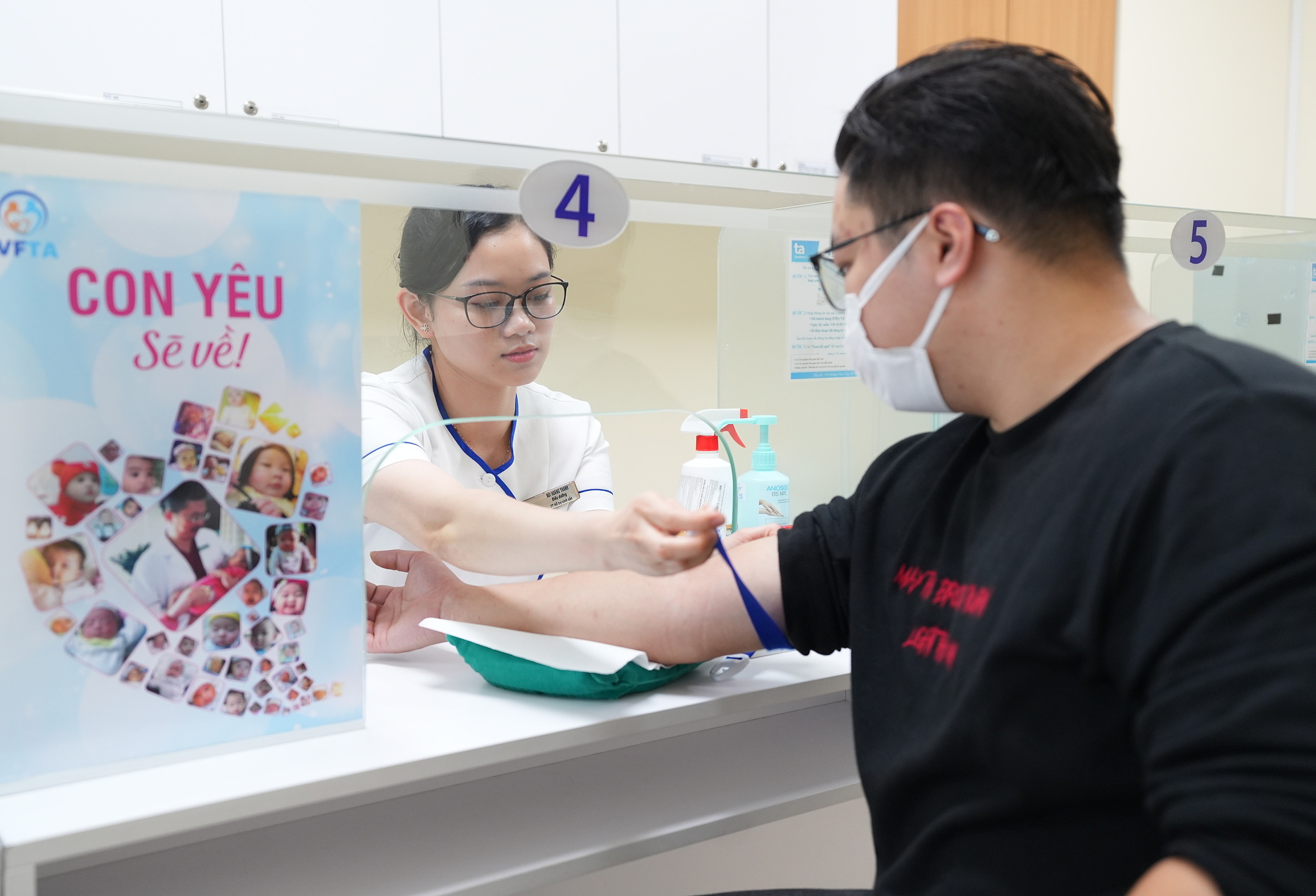 |
A man undergoing a blood test. *Illustration: IVF Tam Anh.* |
Assessing thyroid function
Thyroid hormones play a crucial role in ovulation, conception, and fetal brain development. TSH and FT4 tests, and in some cases thyroid antibodies, help detect the early risk of hypothyroidism or hyperthyroidism, even without clear symptoms.
According to Dr. Ngoc, effective treatment and control of thyroid conditions before pregnancy can reduce the risk of miscarriage and premature birth, as well as mitigate impacts on a child's neurological and intellectual development.
Blood group and Rh factor testing
Determining ABO blood group and Rh factor is an important test, especially for women. If the mother has an Rh-negative blood group while the father is Rh-positive, the fetus may inherit Rh-positive blood. In such cases, the mother's body risks producing antibodies against the fetal red blood cells, causing fetal hemolysis in subsequent pregnancies if not properly prevented.
Knowing the Rh status in advance helps doctors develop a monitoring plan and prescribe anti-D immunoglobulin at the appropriate time to prevent complications.
Genetic testing
Not all couples require genetic testing. However, doctors often recommend chromosome analysis, carrier screening for genetic diseases, or other specialized genetic tests in cases where there is a family history of genetic disease; the couple is consanguineous; there has been recurrent miscarriage or unexplained stillbirth; or a previous child was born with birth defects or a genetic disease.
According to Dr. Ngoc, there is no universal list of tests applicable to everyone. Doctors individualize test recommendations for each couple based on their age, medical history, and health status. For instance, individuals with cardiovascular, liver, kidney, endocrine, or autoimmune diseases may need additional specialized tests to assess disease stability before pregnancy. Those with a history of thrombosis or bleeding disorders also require screening for risk factors to reduce complications during pregnancy.
Trinh Mai