Turmeric is a common spice in many dishes, containing curcumin, the active compound that gives it its distinctive yellow color and offers potential benefits for eye health.
Antioxidant properties support eye cell protection.
Eyes are constantly exposed to light and oxygen, making their tissues susceptible to oxidative stress. Excessive accumulation of free radicals can damage cells.
According to Times of India, curcumin possesses antioxidant properties, which help neutralize free radicals and may protect cells from damage. This mechanism is a key area of research regarding curcumin's role in eye health.
 |
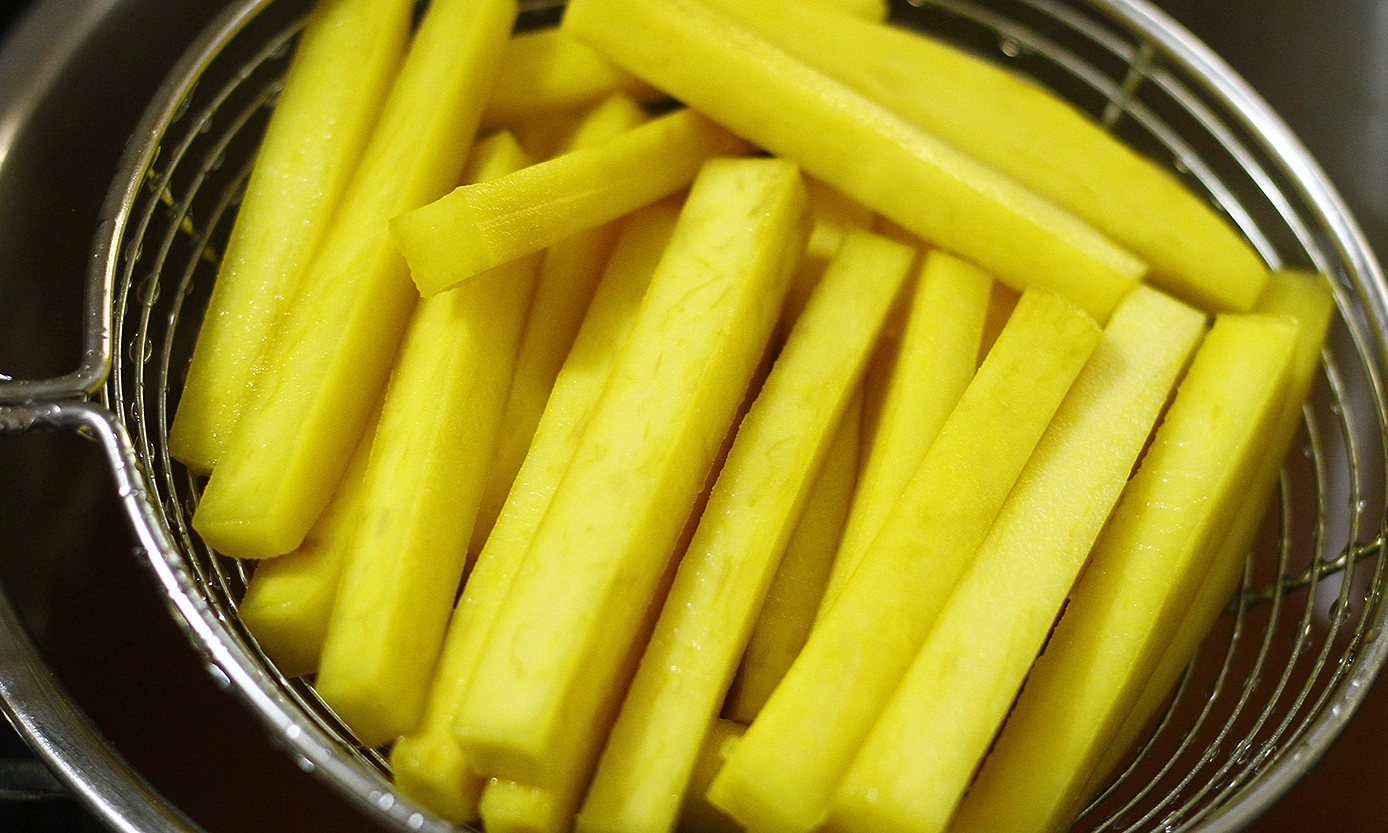
Turmeric contains curcumin, which has anti-inflammatory and antioxidant properties. AI-generated photo
Anti-inflammatory properties.
Prolonged inflammation can be associated with various eye conditions. Eatingwell highlights curcumin's anti-inflammatory properties as a reason for its interest in research on eye diseases linked to inflammation and oxidative stress.
Beneficial for the retina.
The retina contains cells sensitive to oxidative stress damage. Curcumin may influence mechanisms related to inflammation and oxidative stress within the retina.
Supporting eye health with other foods.
Turmeric alone is not the sole source of nutrients beneficial for eyes. A diverse diet rich in leafy green vegetables, fruits, fish, eggs, nuts, and foods packed with vitamins, minerals, and antioxidants forms the foundation for maintaining visual health.
Ways to incorporate turmeric into your diet:
Eatingwell suggests that when using turmeric in your diet, combine it with a small amount of black pepper and healthy fats. Curcumin is poorly absorbed on its own, but piperine in black pepper can enhance its absorption, and fats can also aid this process.
Blend into smoothies: Add half a teaspoon of turmeric powder and a pinch of black pepper to a blender with one cup of frozen mango, half a cup of full-fat yogurt, and a little water. The fat in the yogurt can help the body absorb curcumin, a fat-soluble compound.
Make turmeric milk: Warm one cup of full-fat milk, then add one teaspoon of turmeric powder, a pinch of black pepper, and a little honey for sweetness. Stir well, simmer for about five minutes, then drink warm.
Season roasted vegetables: Turmeric complements many savory dishes. You can toss chopped cauliflower, sweet potatoes, or carrots with one teaspoon of turmeric powder, a pinch of black pepper, salt, and one tablespoon of olive oil before roasting.
However, avoid using large amounts of turmeric or curcumin supplements solely for preventing eye diseases. Supplements with high concentrations of active compounds are not equivalent to using turmeric as a spice in meals.
By Bao Bao (Compiled)