Doctor of Internal Medicine, level one, Luong Sy Bac, from the Cardiology Unit at Tam Anh District 7 General Clinic, states that the heart pumps blood, supplying oxygen and nutrients to every cell. Maintaining cardiovascular health is essential for enhancing quality of life. Below are signs indicating a healthy heart.
Balanced blood pressure
A crucial sign of a healthy heart is normal blood pressure. The ideal blood pressure reading is 120/80 mmHg. High blood pressure signals stress on the heart and blood vessels, leading to a higher risk of heart disease. Regular blood pressure monitoring helps you understand your cardiovascular health status.
Healthy cholesterol levels
Cholesterol plays an important role in cardiovascular health. There are two main types of cholesterol: HDL-C (good cholesterol) and LDL-C (bad cholesterol). To maintain cardiovascular health, LDL (bad cholesterol) levels should be below 100 mg/dL, and HDL (good cholesterol) should be above 60 mg/dL. High bad cholesterol poses a risk of plaque formation in the arteries, which over time can block vessels, leading to myocardial infarction or stroke.
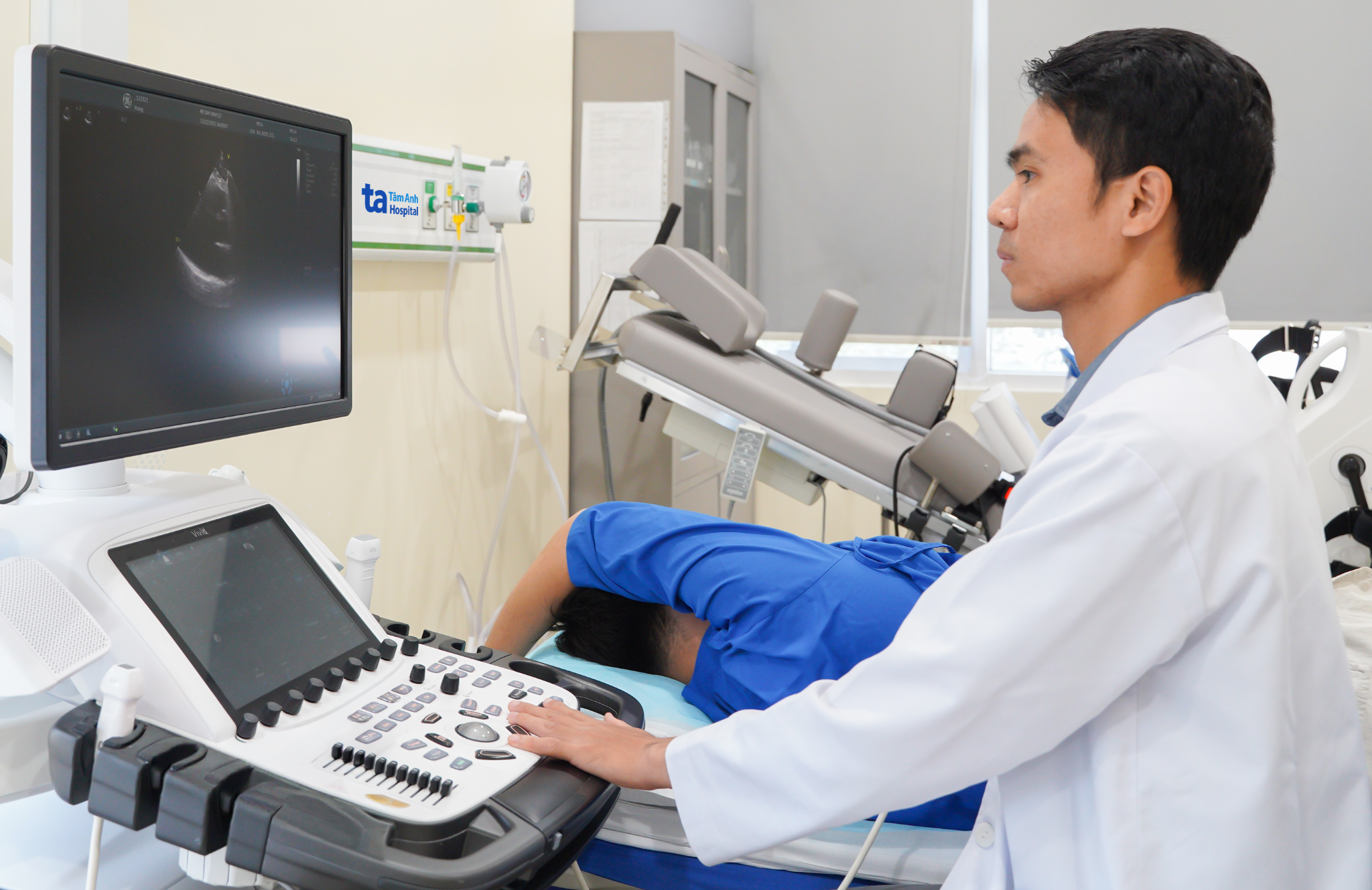 |
A doctor performs an ultrasound to assess heart function and detect abnormalities early. Photo: Tam Anh General Hospital
Low resting heart rate
A normal resting heart rate in adults ranges from 60 to 100 beats per minute. For athletes and individuals with good physical fitness, this number can be below 60. An ideal resting heart rate indicates that the heart is working efficiently, capable of pumping more blood with fewer beats.
No shortness of breath during exercise
Regular breathing during moderate physical activities such as brisk walking, cycling, or aerobics, without chest pain or shortness of breath, indicates that the cardiovascular system is functioning well and supplying sufficient oxygen to the body. If you experience shortness of breath, chest tightness during exertion, or a noticeable decrease in exercise capacity in a short period, you may have a cardiovascular issue.
High energy levels
Consistent energy throughout the day is one sign of a healthy heart. If you tire easily, struggle with daily activities like climbing stairs or long walks, or frequently feel drowsy during the day, your heart may be experiencing issues such as heart failure. Snoring and daytime fatigue can also be linked to sleep apnea, which increases the risk of high blood pressure and arrhythmia.
Not overweight or obese
Maintaining a healthy weight is another sign that your heart is functioning well. A body mass index (BMI) between 18,5 and 23,9 is considered ideal. Being overweight or obese not only puts pressure on the heart but also contributes to diabetes, musculoskeletal disorders, and cancer. By adhering to a healthy diet and lifestyle, you can achieve a healthy weight to protect your heart.
Good blood sugar levels
Blood sugar control is crucial for cardiovascular health. A fasting blood sugar level below 100 mg/dL is considered normal. High blood sugar can lead to diabetes, a primary risk factor for cardiovascular disease. You should monitor your blood sugar levels regularly to prevent future complications.
Warm hands and feet
Warm hands and feet, normal skin color, and quick healing of minor wounds are signs of good blood circulation. This means the heart is efficiently pumping blood throughout the body.
Cardiovascular disease often progresses silently, with clear symptoms only appearing in advanced stages. Doctor Bac advises everyone to undergo regular health check-ups and cardiovascular screenings as recommended, especially after the age of 40 or if they have risk factors such as hypertension, diabetes, obesity, smoking, or a family history of heart disease.
Thu Ha
| Readers can submit questions about cardiovascular disease here for doctors to answer |