Children who have previously had adenovirus can still be reinfected. After an initial infection, the body may develop immunity to the specific virus type encountered. However, since adenovirus comprises many different types, recovering from one infection does not grant lifelong immunity or guaranteed protection when exposed to a new source.
Adenovirus is a common group of viruses that causes illnesses affecting the respiratory tract, such as pharyngitis, bronchitis, and pneumonia; the digestive tract, including gastritis and enteritis; and the eyes, leading to conjunctivitis or pink eye. Infected children may exhibit symptoms like fever, cough, runny nose, sore throat, tonsillitis, red eyes, eye discharge, diarrhea, vomiting, or abdominal pain. While most cases are managed with supportive care at home, some children may experience prolonged high fever, severe cough, pneumonia, severe diarrhea, dehydration, and extreme fatigue, necessitating hospital treatment.
Your child's previous one-week hospitalization suggests that the initial infection was relatively severe. If your child's environment contains a source of infection, close monitoring is advisable, but there is no need for excessive panic. Reinfection with adenovirus is not always as severe as the first instance. The illness's severity depends on the virus type and viral load the child is exposed to, their age, immune resistance, underlying health conditions, and the quality of care received.
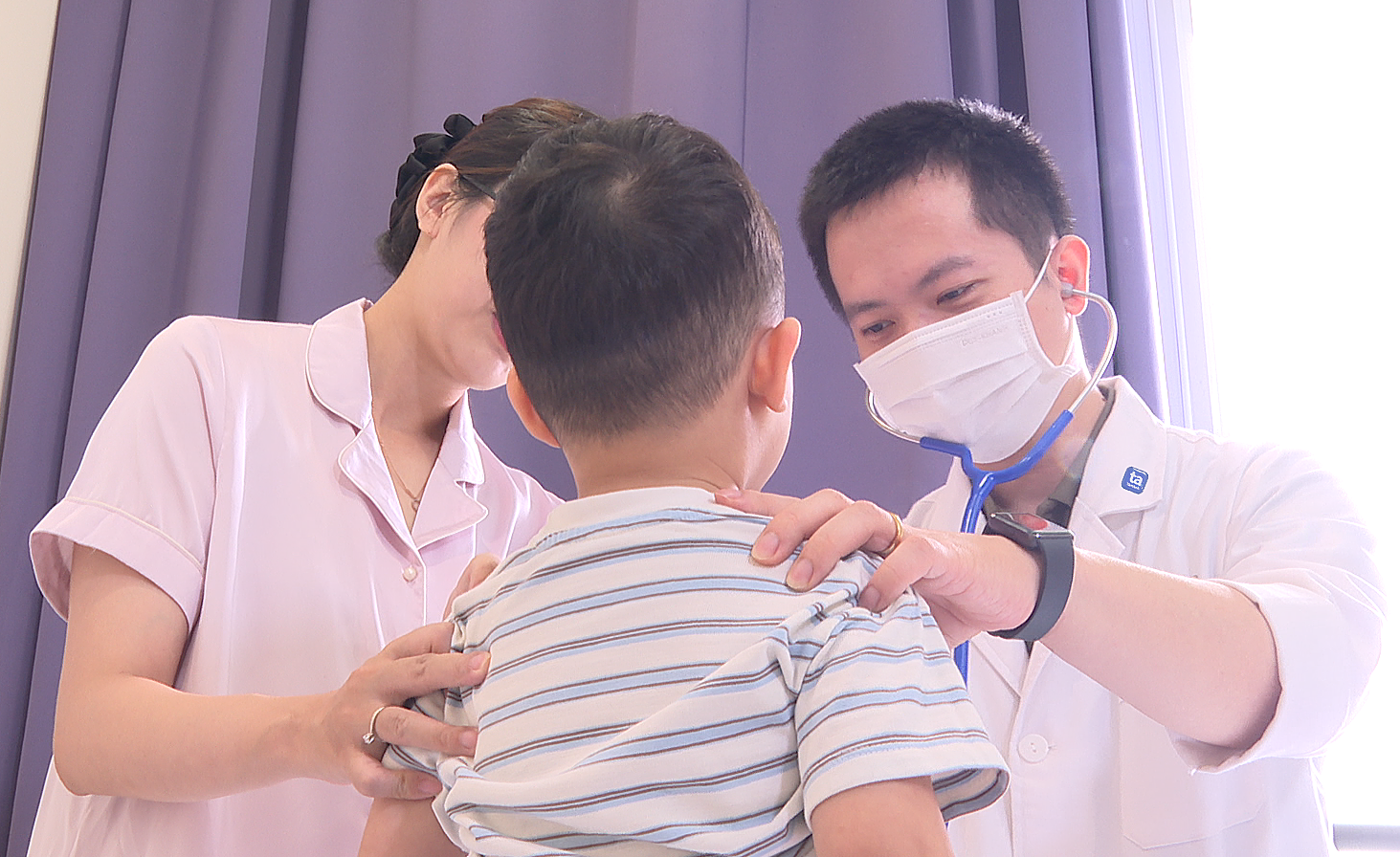 |
A doctor examines a child with adenovirus. Photo: Tam Anh General Hospital
The virus primarily spreads through respiratory droplets when an infected person coughs, sneezes, or talks in close proximity. It can also transmit when hands touch infected secretions and then come into contact with the eyes, nose, or mouth, or via contaminated surfaces, toys, face towels, cups, spoons, or other objects. Certain types of adenovirus can also spread through the digestive tract, particularly if children do not practice proper hand hygiene after using the restroom or before meals.
Following exposure to an infected friend, parents should monitor for symptoms such as fever, cough, nasal congestion, sore throat, red eyes, eye discharge, abdominal pain, vomiting, diarrhea, fatigue, and poor appetite. If a child exhibits only mild symptoms, remains alert, eats and drinks adequately, and breathes normally, the family can ensure the child rests, stays hydrated, consumes soft and easily digestible foods, and cleans their nose and throat with physiological saline solution as needed. Children should wash their hands frequently and avoid sharing face towels, cups, spoons, or water bottles.
If a child develops a fever, parents can administer fever-reducing medication at the correct dosage based on weight, following a doctor's guidance. Avoid self-administering antibiotics, as adenovirus is a viral infection, and antibiotics are ineffective unless a bacterial co-infection is present. Furthermore, parents should not independently purchase eye drops containing antibiotics or corticosteroids, or multi-ingredient cough medicines for young children without a prior medical consultation. Improper medication use can mask symptoms, lead to side effects, or prolong the illness.
Families should seek medical attention if a child develops a high fever above 39 degrees Celsius, a fever lasting more than three days, lethargy, refusal to eat or drink, frequent vomiting, severe diarrhea, dry lips, sunken eyes, or decreased urination. Other signs requiring prompt evaluation include rapid breathing, chest indrawing, cyanosis, chest pain, seizures, severe eye pain, blurred vision, or red eyes accompanied by swelling or thick discharge. For children with underlying health conditions, premature birth, compromised immune systems, or a history of severe adenovirus infection, parents should seek earlier medical consultation for any unusual symptoms.
To mitigate the risk of infection, parents should teach children to wash their hands with soap before meals, after using the restroom, after coughing or sneezing, or after playing with shared toys. They should also learn to cover their mouths when coughing, avoid rubbing their eyes, and refrain from sharing face towels, toothbrushes, or water bottles. Regular cleaning of homes, toys, door handles, and tabletops is also crucial. If a child experiences fever, a persistent cough, pink eye, or diarrhea, parents should keep them home from school to prevent transmission to peers and facilitate their recovery.
Master, Doctor Le Anh Trong
Pediatrics Unit
Tam Anh Cau Giay General Clinic
| Readers can send questions about respiratory diseases here for doctors to answer. |