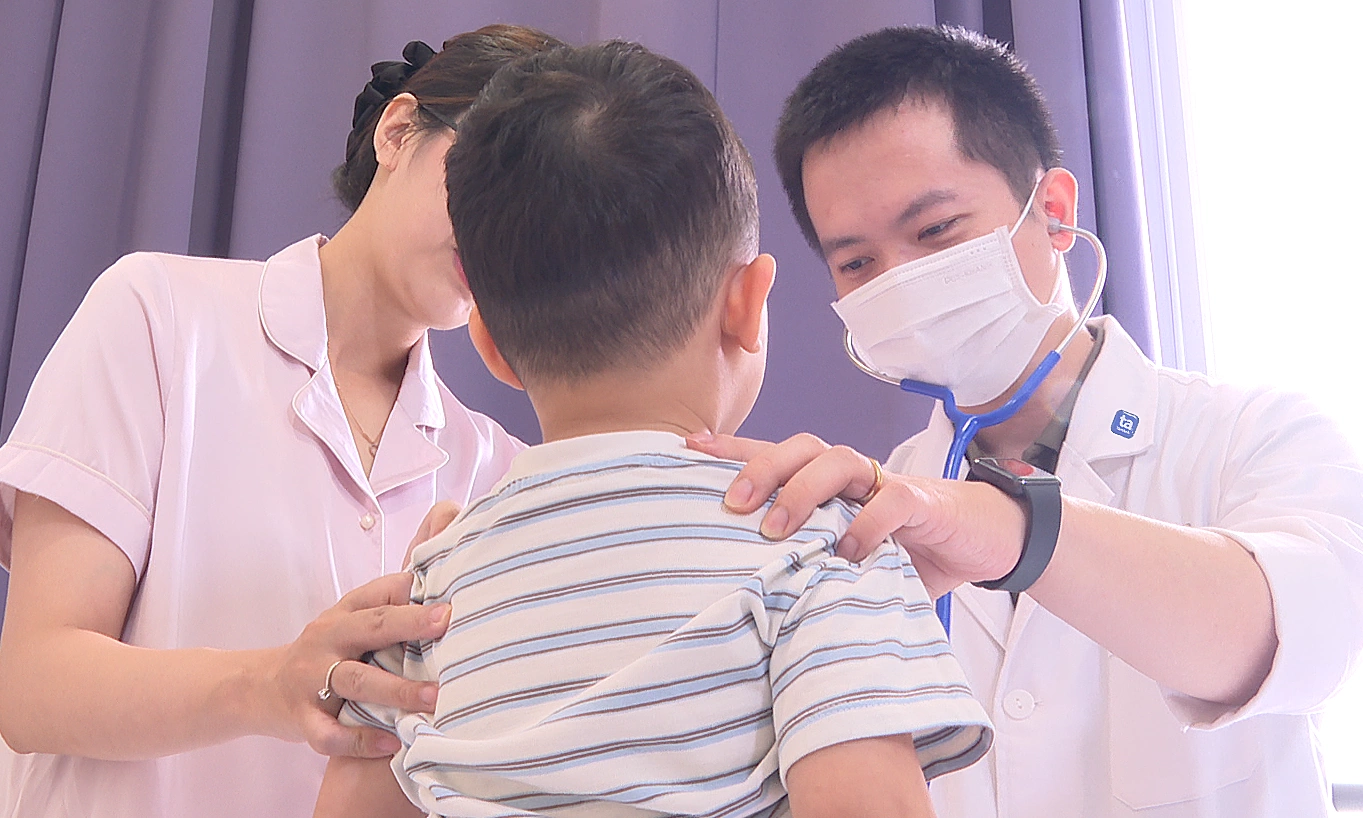
Puberty is the stage where the body transitions from childhood to adulthood, marked by the development of sexual organs, hormonal changes, and rapid height growth. Early puberty in girls is defined as breast development before the age of 8 or menstruation before the age of 9; in boys, it is testicular enlargement before the age of 9 or the early appearance of secondary sexual characteristics.
Master of Science, Doctor Do Tien Son, from the Pediatrics Department at Tam Anh General Hospital, stated that not all cases of early puberty have an identifiable cause. Early recognition of risk groups helps families monitor their children and seek timely medical examinations to mitigate impacts on height and overall health. The following are the groups of children at high risk:
**Children with family members who experienced early puberty**
Genetic factors play a role in the timing of puberty. If parents or siblings experienced early puberty, a child has a higher likelihood of developing the condition. Families with a history of early puberty should closely monitor their child's changes in height, weight, and signs of sexual development.
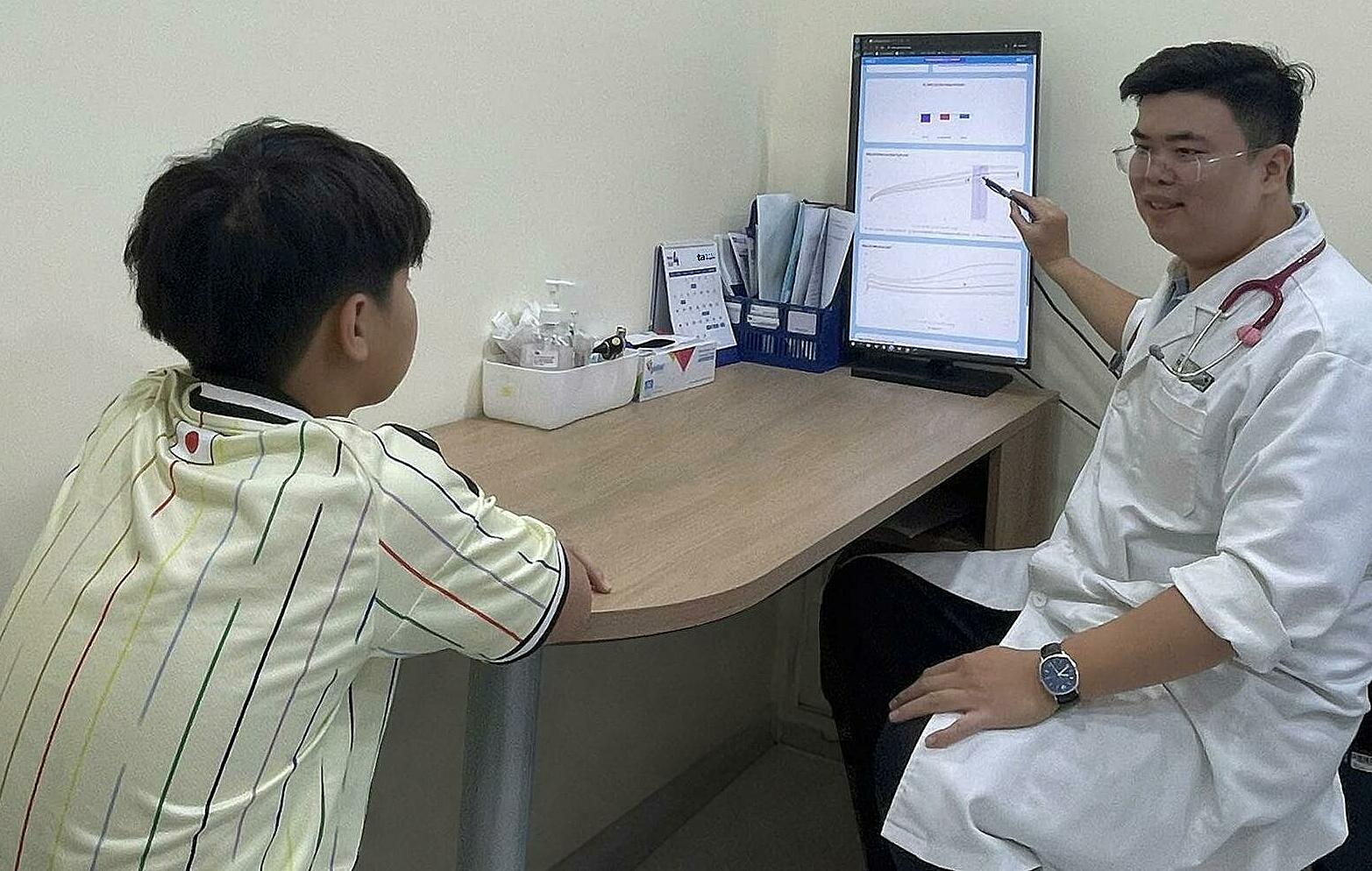 |
Doctor Son examining and assessing a child's development. Photo: Tam Anh General Hospital
**Overweight and obese children**
This is one of the most common risk groups, particularly among girls. Body fat not only stores energy but also participates in producing hormones that can accelerate the pubertal process. Obese children tend to exhibit signs of early puberty earlier than children with normal weight. A diet with excess calories, a sedentary lifestyle, and prolonged weight gain increase this risk.
**Children with certain endocrine or neurological conditions**
Some medical conditions can trigger early puberty, such as hypothalamic tumors, pituitary tumors, brain damage, congenital central nervous system malformations, or a history of radiation therapy or surgery in the brain region. Conditions affecting the adrenal glands, ovaries, testicles, or other endocrine disorders can also lead to abnormally early production of sex hormones.
**Children previously exposed to external hormones**
Prolonged use or exposure to products containing estrogen or testosterone can affect a child's endocrine system. Sources of exposure may include medications, topical creams, hormone gels, or hormone-containing dietary supplements. Parents should not arbitrarily give children products advertised to boost height, weight, or physical development without a doctor's prescription.
**Children frequently exposed to endocrine-disrupting chemicals**
Some environmental chemicals are believed to impact hormone activity with prolonged exposure. These can be found in plastics, pesticides, cosmetics, or certain consumer products. Doctor Son recommends that families limit children's unnecessary exposure to these chemical sources.
**Girls are at a higher risk than boys**
Early puberty occurs more frequently in girls than in boys. Most cases in girls are idiopathic central early puberty, meaning no clear cause is found. Conversely, early puberty in boys is less common, but the incidence linked to underlying medical conditions is higher. Therefore, if a boy exhibits signs of puberty before the age of 9, parents should take the child to a medical facility for evaluation of the cause.
Parents should take their child for an examination if they notice signs of breast development, pubic or underarm hair growth, increased testicular or penile size, acne, body odor, or early voice breaking. Doctors may order a clinical examination combined with a bone age X-ray, ultrasound, hormone tests, or magnetic resonance imaging if needed to determine the cause.
If early puberty is not detected and treated at the right time, it can lead to premature growth plate closure, resulting in short adult height. Children may also experience psychological pressure, low self-esteem, or difficulty integrating socially due to physical development that is asynchronous with their peers.
Parents should not self-assess a child based on a single sign or arbitrarily use medication or supplements for intervention. Children with suspected signs of early puberty need to be examined to determine the cause and select the appropriate course of monitoring or treatment.
Thuy Hanh
| Readers can submit questions about childhood diseases here for doctors to answer |