This information was shared by Doctor Ryuichiro Sasae, Director of the International Medical Department at NTT Medical Center Tokyo, during a seminar on preventive healthcare technology. The event, organized by the Institute for Digital Technology Development and Application (VIDA), took place in Ho Chi Minh City on the afternoon of 21/1. The Japanese expert noted that biological changes at this age threshold are often difficult to perceive through normal sensation. Initial signs appear very subtle, such as rising cholesterol levels, abdominal fat accumulation, pre-diabetes, or slightly elevated blood pressure.
 |
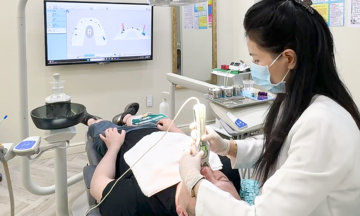
Patients undergoing regular health screening. Photo: Phuong Nga |
Patients undergoing regular health screening. Photo: Phuong Nga
Doctor Sasae warned that metabolic processes change with age, causing the risk of cardiovascular disease, stroke, and cancer to gradually increase over time. Alarmingly, many diseases previously seen only in individuals in their 50s and 60s are now affecting those in their 30s and 40s. Stroke, in particular, is likened to a "silent killer" because most young people show no clear symptoms until the event occurs. Therefore, early detection of risks for timely intervention is crucial, especially in the context of increasing average life expectancy.
To address this, Doctor Sasae cited lessons from Japan, a nation demonstrating significant effectiveness in preventive healthcare. According to international studies, Japan currently leads the world in the 5-year survival rate for stomach cancer, reaching approximately 67%, far exceeding North America and Western Europe. This achievement primarily stems from its periodic screening system called Ningen Dock—a comprehensive, proactive, and annual health check-up model that helps detect pathogens very early, even before clinical symptoms appear.
In contrast to the reality in Vietnam, Nguyen Hoai Nam, Chairman of MedArmor, pointed out that the biggest challenge lies in patients often discovering cancer at a late stage. While domestic medical data is quite abundant, it remains fragmented and lacks the necessary connection to create a long-term health picture for each individual. Nam proposed applying artificial intelligence (AI) in biochemical analysis for more accurate screening, aiding early disease detection and reducing the financial burden on the healthcare system.
Beyond technology, speakers affirmed that a scientific lifestyle still plays a fundamental role. The secret to Japanese longevity stems from habits taught from a young age: eating slowly, chewing thoroughly, and consuming only about 80% of the body's energy needs. A diet prioritizing fish, fresh foods, limiting alcohol, and no smoking, combined with daily exercise like walking, helps keep the obesity rate in that country consistently below 5%.
Furthermore, gut microbiome care is emerging as a new trend in preventive healthcare. Microbial imbalance due to stress or insufficient fiber intake negatively impacts immunity, cardiovascular health, and brain function. In the context of Vietnam's rapidly aging population, Doctor Sasae recommended that everyone needs to listen to their body starting from age 40, considering investment in preventive healthcare as the key to managing diseases and improving long-term quality of life.