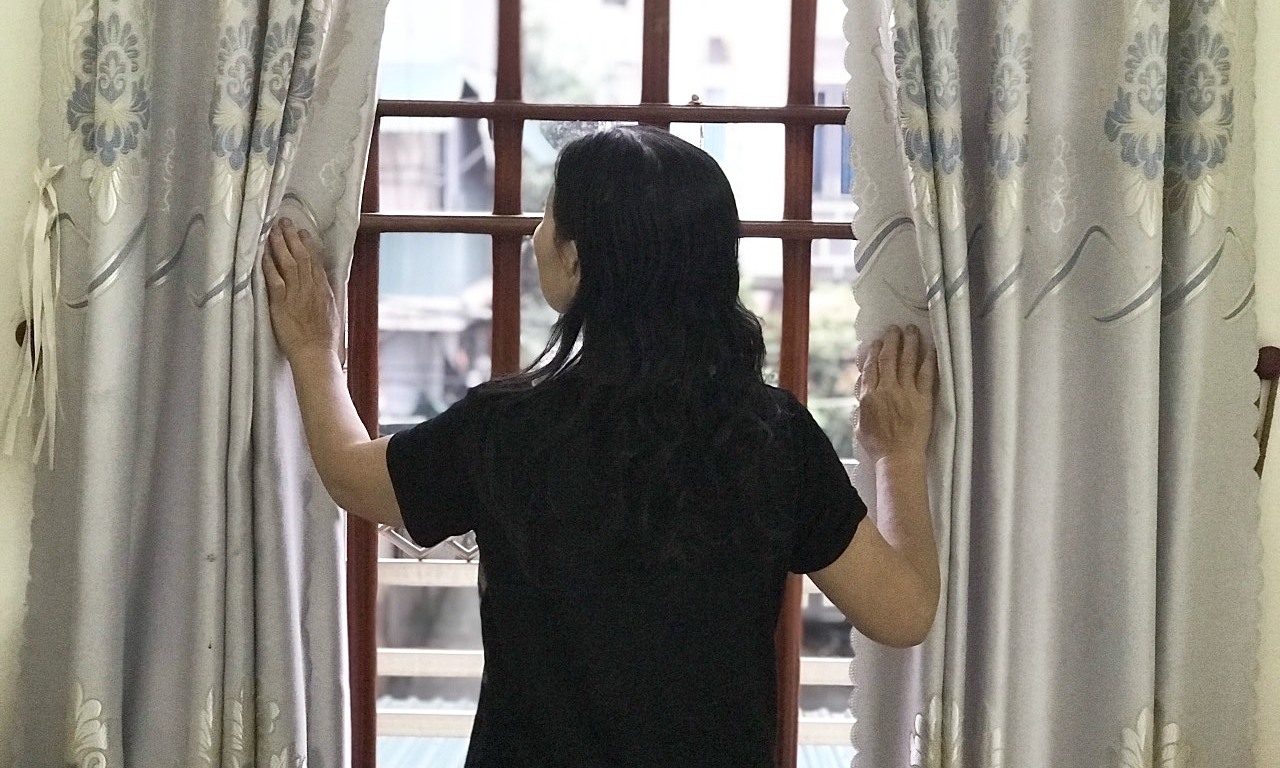
Two months ago, when her housekeeper returned to their hometown, Nguyen Thi Hang, 28, from Ho Chi Minh City, enrolled her 17-month-old son in daycare. During the first month, be Tom attended regularly and ate well. However, in the second month, the child experienced continuous fever, coughing, a sore throat, and a runny nose.
During the first illness, doctors diagnosed the child with a viral fever. He was hospitalized for three days and then continued medication at home. After recovering and returning to class for five days, be Tom again developed a runny nose, dry cough, and a fever nearing 40 degrees Celsius.
Rapid test results and respiratory fluid samples detected six pathogens, including two bacteria (Mycoplasma and pneumococcus) along with four viruses: Covid-19, influenza, Adenovirus, and respiratory syncytial virus (RSV). The child required hospitalization for four days and further monitoring before discharge.
Following these two consecutive illnesses, the child's appetite decreased, and he appeared pale. Hang temporarily kept her son home from school for recovery. Balancing online work with childcare made her more exhausted, and she remained uneasy about sending her son back to class.
Dr. Nguyen Tien Dao, Specialist Level I, Medical Manager at VNVC Vaccination System, stated that many children frequently fall ill consecutively during their initial period at daycare. This is when children begin close contact with many peers, sharing toys, desks, and other classroom items.
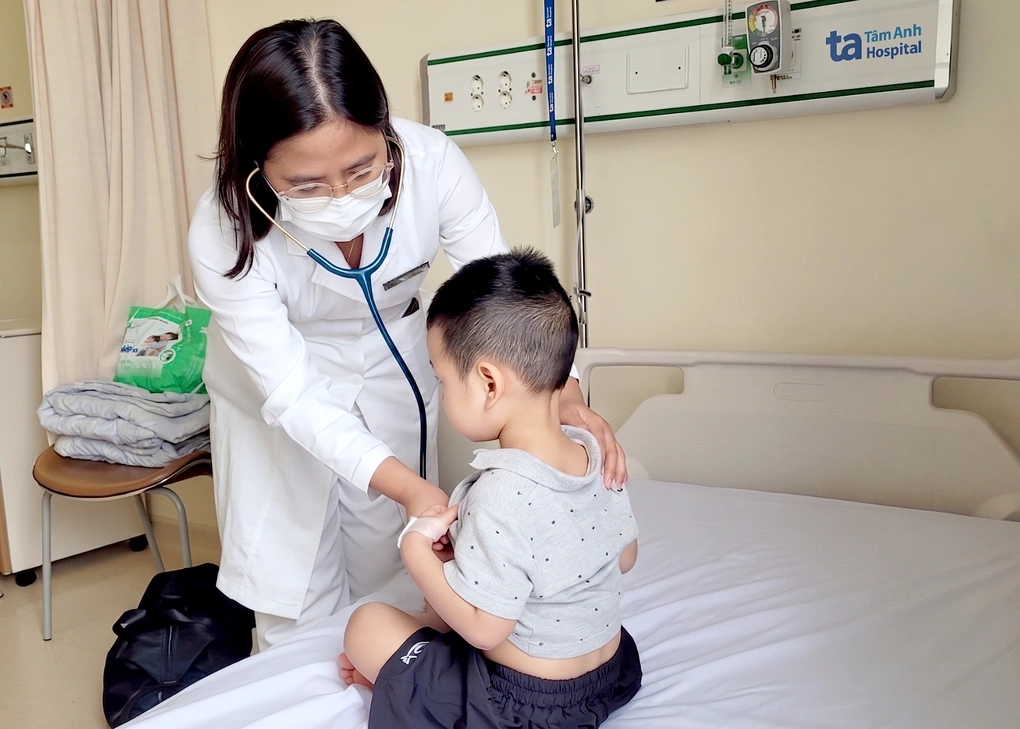 |
A three-year-old boy with bronchopneumonia due to co-infection with Metapneumovirus and H. influenzae bacteria, receiving treatment at Tam Anh General Hospital Hanoi. Photo: Hai Au |
A three-year-old boy with bronchopneumonia due to co-infection with Metapneumovirus and H. influenzae bacteria, receiving treatment at Tam Anh General Hospital Hanoi. Photo: Hai Au
Young children also often suck their thumbs, put objects in their mouths, and have not yet learned to cover their mouths when coughing or to wash their hands properly. Meanwhile, their immune systems are still developing. These factors increase the likelihood of exposure to and transmission of pathogens.
According to the American Academy of Pediatrics, children may experience more infections during their first year in daycare. The number of respiratory illnesses typically decreases in the subsequent year as children grow older and develop immunity to some previously encountered pathogens.
However, parents need to differentiate between children experiencing multiple sequential illnesses and those infected with several pathogens simultaneously. Some viruses might still be detected in the respiratory tract even after symptoms have subsided. Bacteria can also be present in the nasopharynx without necessarily being the primary cause of illness.
Therefore, a test result detecting multiple pathogens does not necessarily mean all are actively causing illness. Doctors must combine symptoms, physical examination, disease progression, and other tests to determine the cause and select the appropriate treatment plan.
In some cases, a viral infection may first damage the respiratory lining. Bacteria can then opportunistically invade, causing secondary infections such as otitis media, bronchitis, or pneumonia. Such illnesses can be prolonged and require close monitoring.
Dr. Dao advises parents to seek medical attention if a child has a high fever lasting more than three days, a worsening cough, poor appetite, or significant fatigue. Children require emergency care if they experience difficulty breathing, cyanosis, lethargy, seizures, signs of dehydration, or do not respond to fever-reducing medication.
Parents should not self-medicate their children with antibiotics for coughs or fevers. Antibiotics are ineffective against viruses and should only be used when a doctor diagnoses or suspects a bacterial infection. Incorrect use can cause side effects and increase the risk of antibiotic resistance.
To limit the string of sick days, families should teach children to wash their hands, avoid putting toys in their mouths, and cover their mouths when coughing or sneezing. Children need to eat nutritious food, drink enough water, get sufficient sleep, and have time to recover after each illness.
Daycares and schools should regularly clean classrooms, toys, and frequently touched surfaces. Children with fever, vomiting, diarrhea, significant fatigue, or infectious diseases should stay home as advised by healthcare facilities to prevent transmission to others.
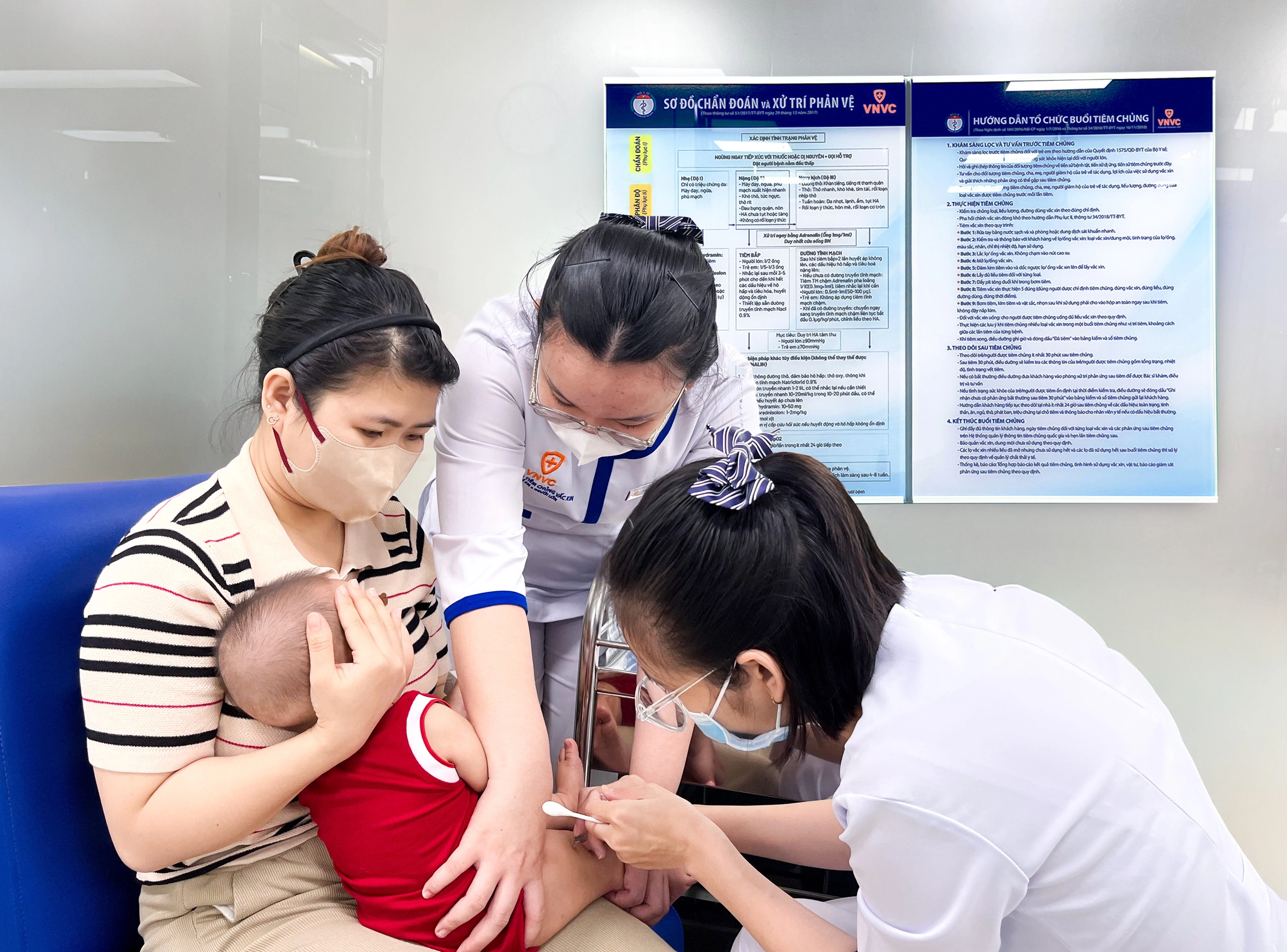 |
Parents vaccinate young children against diseases at VNVC Vaccination System before they start daycare. Photo: Dieu Thuan |
Parents vaccinate young children against diseases at VNVC Vaccination System before they start daycare. Photo: Dieu Thuan
Vaccination is one measure that helps reduce the risk of contracting and experiencing severe progression of vaccine-preventable diseases. Before children start school, parents should review their vaccination history, supplementing any missing doses or booster shots according to age and health status.
According to Dr. Dao, diseases to be aware of include: influenza, measles, whooping cough, chickenpox, pneumococcal disease, RSV disease, and meningococcal disease. The specific vaccination schedule varies depending on the vaccine type, the child's age, and medical history; therefore, families should bring their vaccination records to healthcare facilities for consultation. Each vaccine also requires a booster schedule, and parents should ensure children receive their shots on time to strengthen antibodies and prevent overlapping illnesses.
The VNVC Vaccination System currently assists parents in looking up and reviewing missing vaccine doses for their children and provides free vaccination history confirmations at nearly 300 centers. While complete vaccination cannot prevent every illness, it offers children an additional layer of protection when they begin group activities.
Cong Nguyen