Preschoolers in italy often go to bed after 9 PM as parents want their children to participate in dinner to learn communication and community connection.
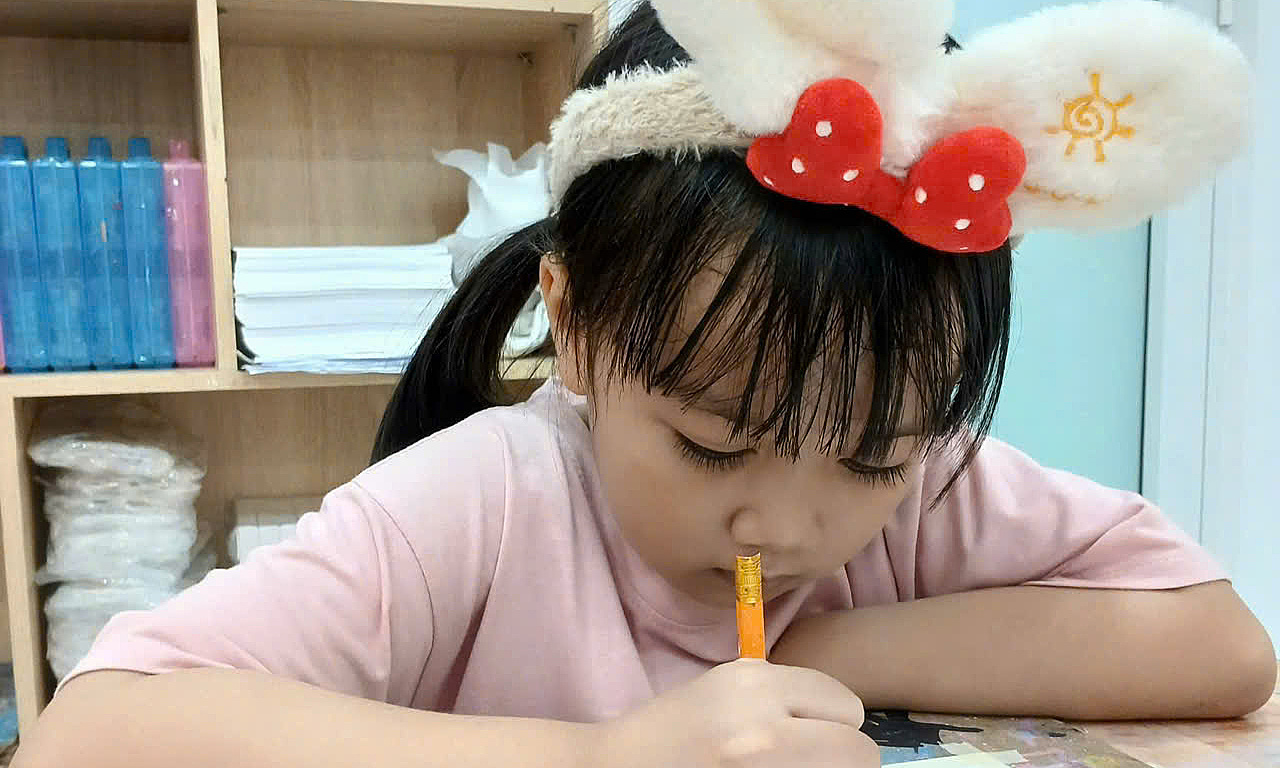
Parents should encourage children to engage in outdoor activities, maintain proper reading distance, take breaks from near-vision tasks, and schedule regular eye exams to protect their eyesight.
After a holiday break, children may sleep late, find it hard to wake up, and lack alertness; parents should gradually re-establish a routine rather than forcing children to sleep early suddenly.
Frequent squinting when looking far, leaning close to books, tilting the head while observing, or complaining of eye strain are potential signs a child may have vision problems.
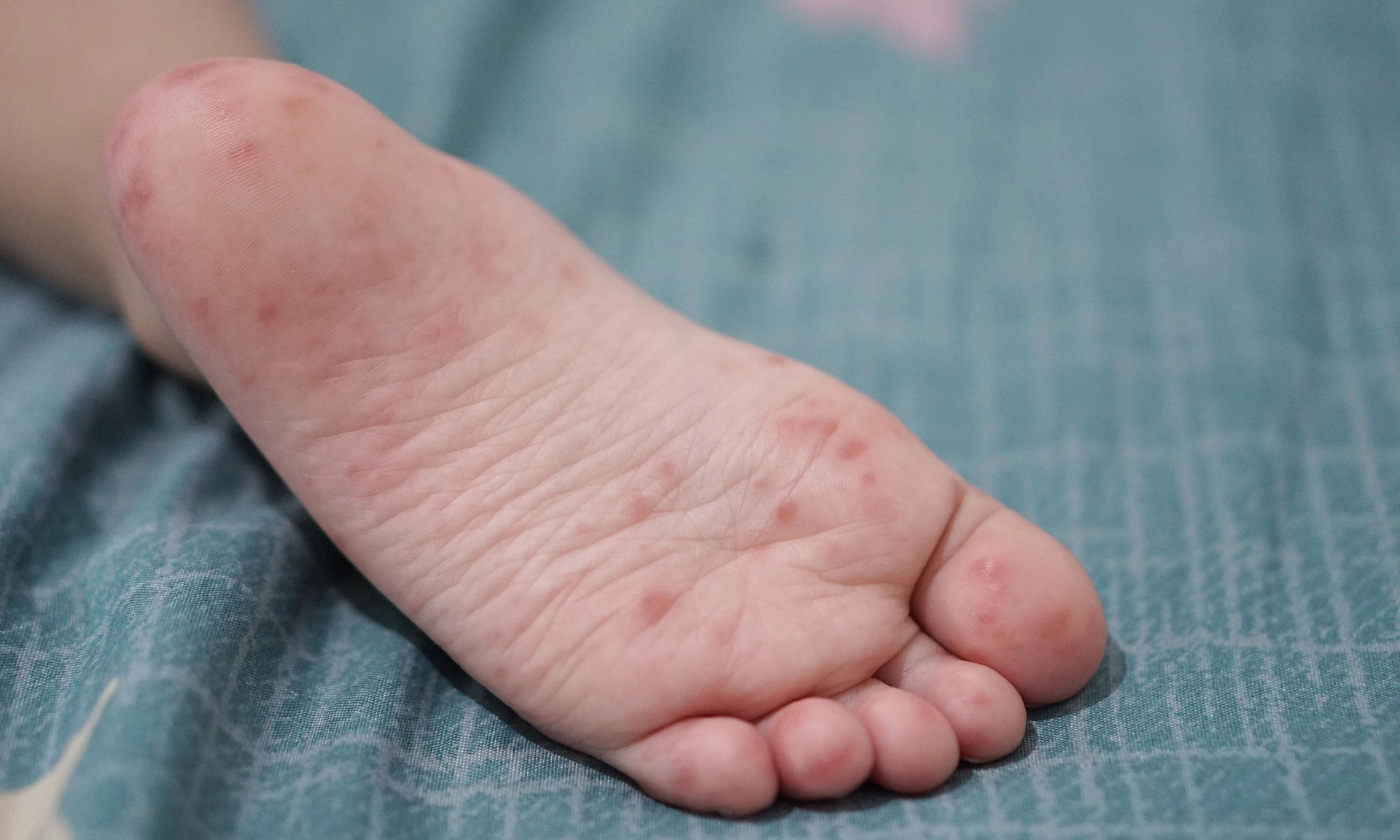
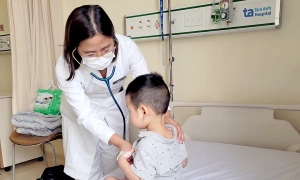
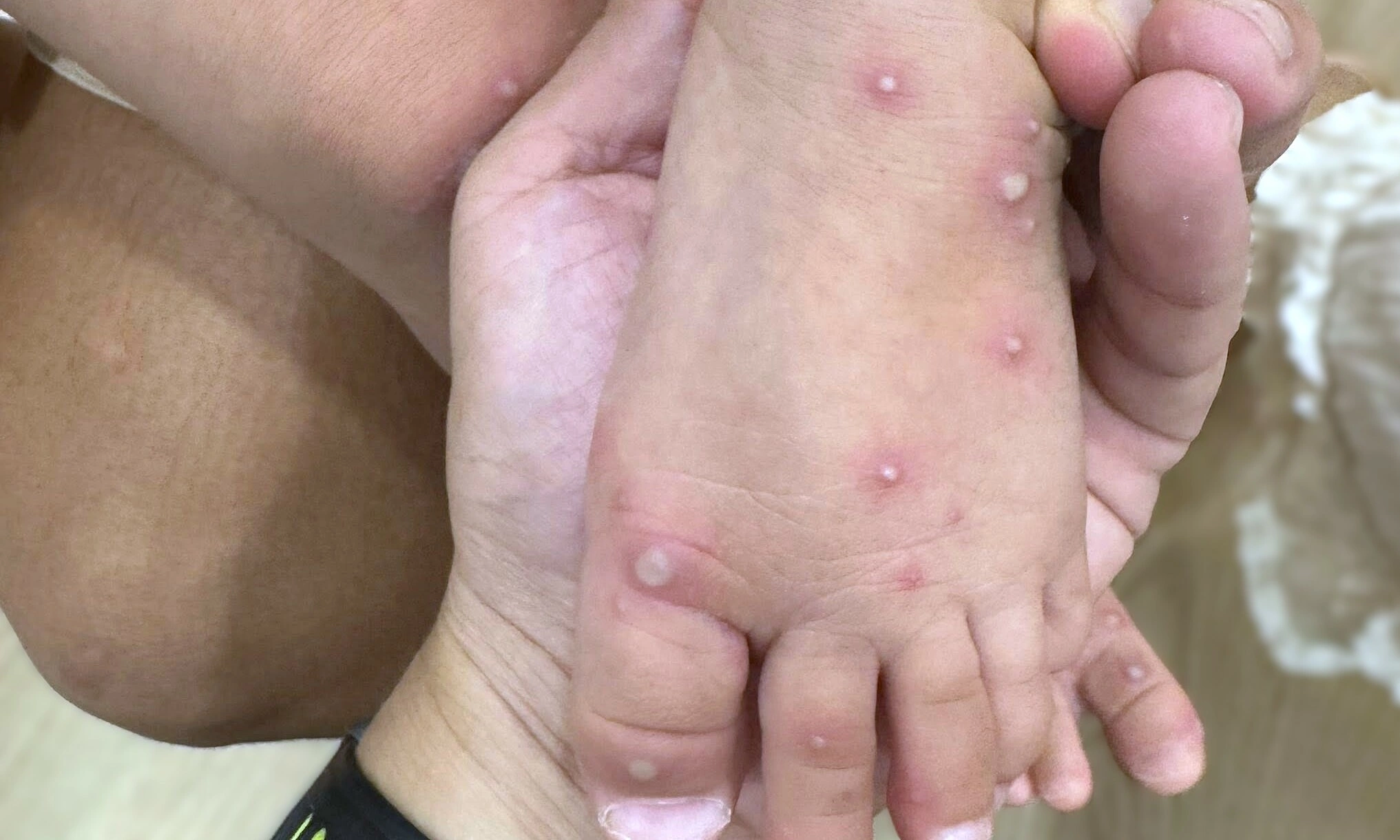
My child recovered from hand, foot, and mouth disease but was re-infected. Is the second infection less severe, and how should I monitor my child? (Anh Thu, 30, Bac Giang)
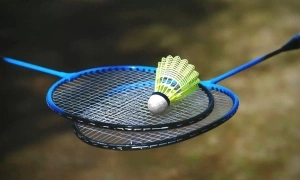
The parents of a 6-year-old girl are suing a badminton racket manufacturer after a metal shaft detached from a racket during play, striking the girl in the brain and causing her death.
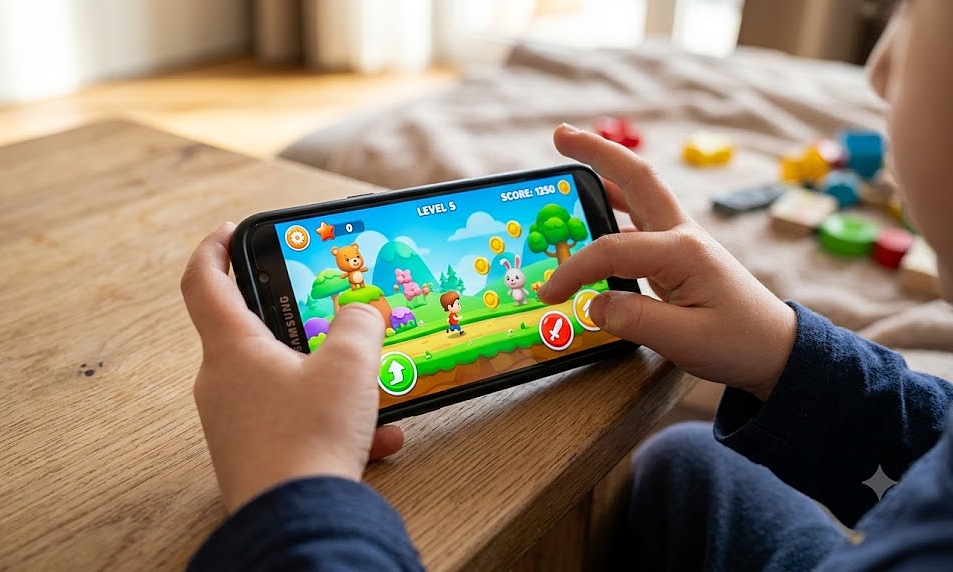
Children who are dependent on screens often display irritability when their phones are taken away, lose interest in play, and struggle to focus on studies.
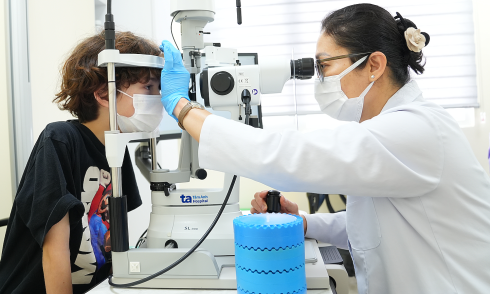
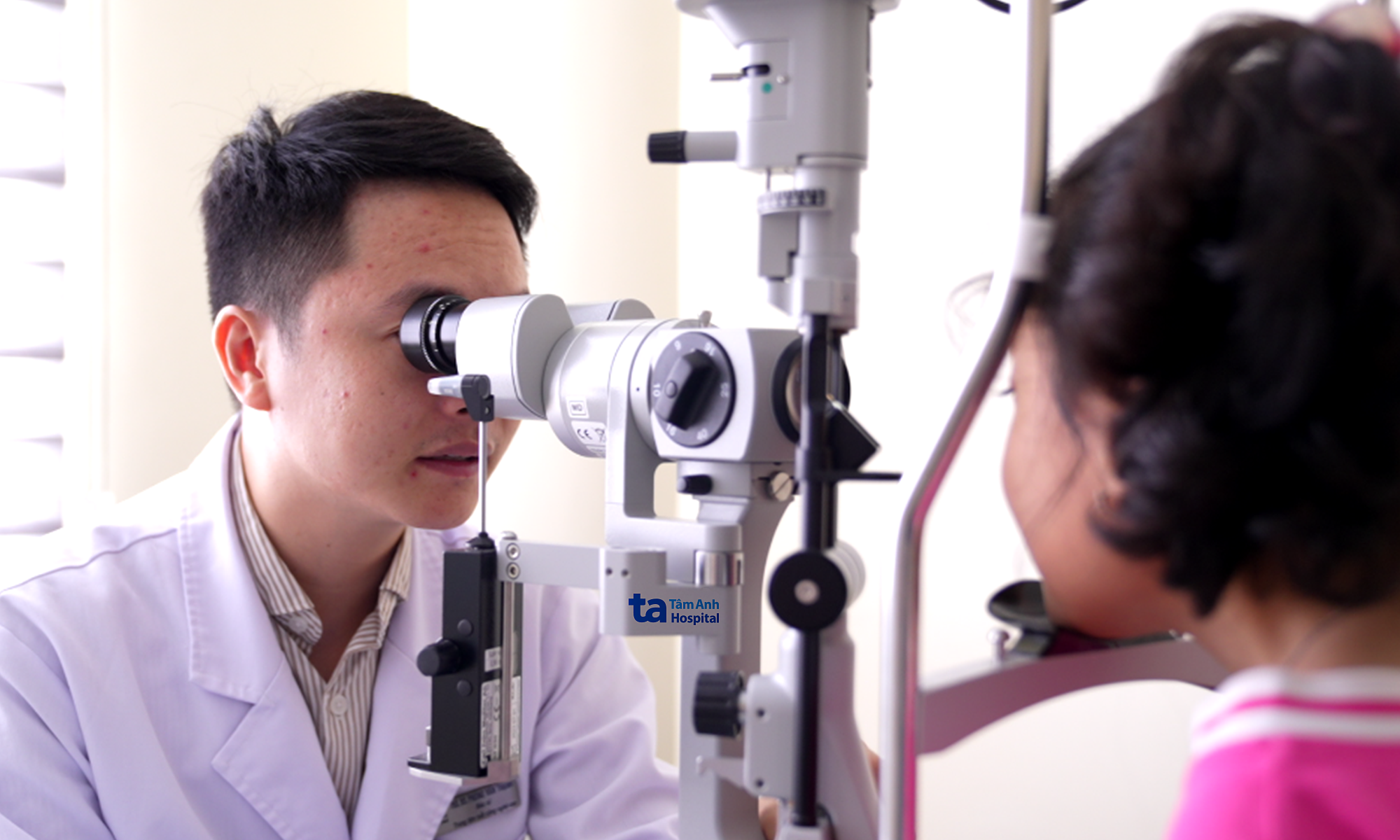
As children prepare for first grade, parents often wonder if an eye exam is necessary even without obvious symptoms, and how best to protect their child's vision. (Ha, 30, Hanoi)
Many children experience continuous fever, cough, and runny nose when they first start daycare, due to increased exposure to pathogens while their immune systems are still developing.
The teacher announced that a child in the class has grade one hand, foot, and mouth disease, being monitored at home. Should I let my child stay home or continue to go to school? (Thuy Mai, 32, Phu Tho)