On 29/6, a representative from the National Hospital for Tropical Diseases announced the remarkable recovery of a 46-year-old man who experienced cardiac arrest due to an electric shock. The incident occurred at his workshop, where he was found motionless by his son approximately 20 minutes after the accident. His son, attempting to help, also received an electric shock, realizing the power source had not been disconnected. Immediately after the electricity was cut, the patient's colleagues initiated continuous chest compressions at the scene, maintaining them throughout the 10-minute journey to the hospital.
Upon arrival, the patient was in a deep coma, suffering from cardiac and respiratory arrest, full-body cyanosis, and a complete loss of pupillary light reflex. His blood oxygen saturation (SpO₂) was undetectable. Hospital staff immediately activated a red alert system to begin advanced cardiopulmonary resuscitation.
After 40 minutes of intensive emergency care, the patient's heart resumed beating. However, his prognosis remained critical due to multi-organ damage, including cardiovascular failure, acute kidney failure with anuria, acute liver failure, and rhabdomyolysis.
Doctor Ha Viet Huy from the Intensive Care Department noted that in patients revived after circulatory arrest, the brain is often the earliest and most severely damaged organ due to oxygen deprivation. To prevent permanent brain damage, the medical team immediately initiated therapeutic hypothermia. This cooling technique controls and maintains the patient's body temperature at 33-36 degrees Celsius after respiratory arrest.
This controlled hypothermia helps to significantly reduce the body's metabolic demands and oxygen consumption. It prevents cerebral edema, internal hemorrhage, and infarction, while also inhibiting neurotransmitters that cause neurotoxicity. Global studies show that therapeutic hypothermia reduces the mortality rate by 14% and the rate of severe sequelae by 11% in patients with respiratory arrest. This technique is most effective when applied within the first 6 hours of symptom onset.
 |
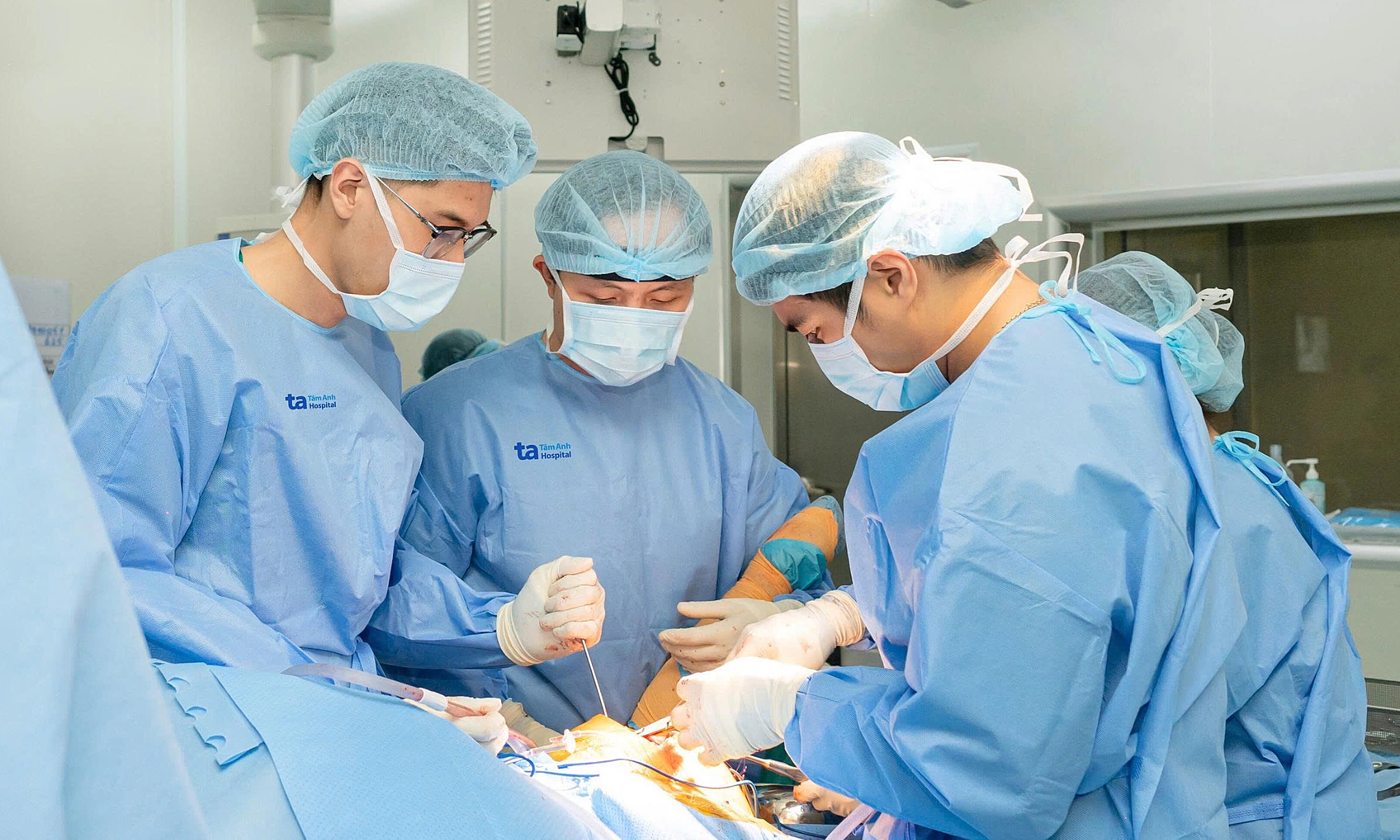
Doctors treating the patient. *Photo: Hospital provided* |
Doctor Huy emphasized that electric shock can cause cardiac arrhythmia and circulatory arrest in a very short time. A victim's survival heavily depends on the first aid skills of those nearby. If someone is found electrocuted, rescuers must never touch the victim directly before the power source is disconnected. The correct actions are to remain calm, quickly switch off the main circuit breaker, or use insulating materials such as dry wooden sticks, plastic, or rubber to separate the power source from the victim, and simultaneously call emergency services at 115.
If the victim has stopped breathing and their heart has stopped, bystanders must immediately perform chest compressions at a rate of 100-120 times per minute. Rescuers need to persist with this action continuously until medical personnel take over and throughout the transport process. Proper first aid in the initial minutes is crucial for saving a life and minimizing subsequent neurological sequelae. Once the heart has resumed beating, the core goal of modern resuscitation medicine extends beyond saving a life to fully protecting brain function and other internal organs.
Thuy Quynh