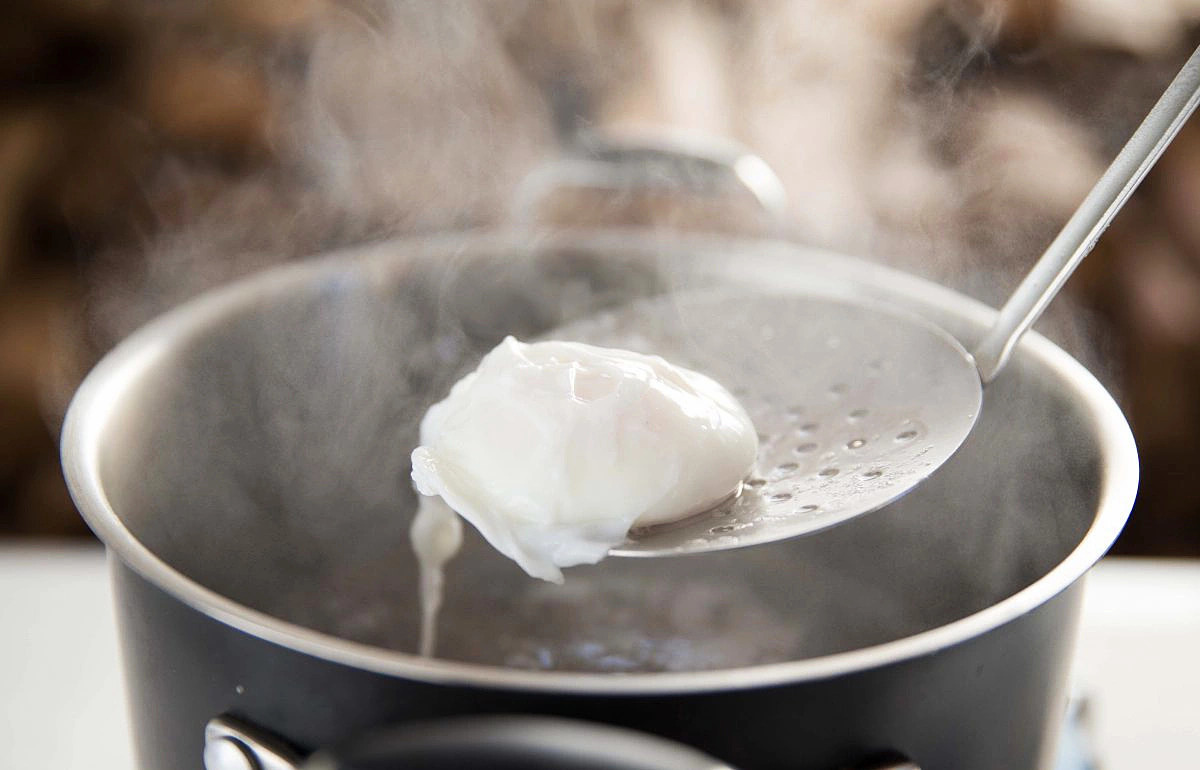
Many families have a habit of cooking a large pot of soup to eat from lunch until dinner. Some even store leftovers in the refrigerator overnight to consume the next day. Generally, reheating and eating leftover food, especially soup, is not beneficial and carries several health risks.
When chopsticks and spoons are used multiple times to serve from a soup pot during a meal, bacteria can inadvertently enter the soup. If not properly stored, leftover food, especially when kept overnight, becomes an ideal environment for microorganisms and molds to thrive, potentially harming the stomach, liver, and kidneys. Many who consume contaminated soup or food left overnight experience stomachaches, nausea, vomiting, diarrhea, indigestion, or food poisoning.
Moreover, repeatedly reheating food does not eliminate all bacteria. In fact, continuous reheating degrades and destroys most vitamins and minerals in the food. You are essentially consuming "empty" food, devoid of any nutritional value.
However, some savory dishes like braised fish (ca kho), stewed pork (thit kho), or jellied pork (thit dong) can be reused the next day if meticulously stored in airtight containers and refrigerated immediately after cooling. For common vegetable and meat soups, their economic value is not significant, and it is not truly necessary to keep them.
To protect your health and that of your family, you should plan portions to cook just enough for everyone to finish in one meal or within the day. Vegetables and fruits should be consumed fresh to absorb their full nutritional value.
If vegetable soup or other food remains after dinner, it is safer to discard it rather than storing it overnight.
For dishes that must be stored, they should only be kept in the refrigerator for one to two days. Before storing, place them in specialized plastic bags, plastic containers, or airtight glass containers, and keep them in the freezer or refrigerator compartment depending on the food type. Do not store leftover food with raw food.
 |
It is advisable to cook just enough for the family to consume within the day, limiting overnight storage. *Photo: Bui Thuy* |
Associate Professor, Doctor Nguyen Duy Thinh
Institute of Food Technology, Hanoi University of Science and Technology