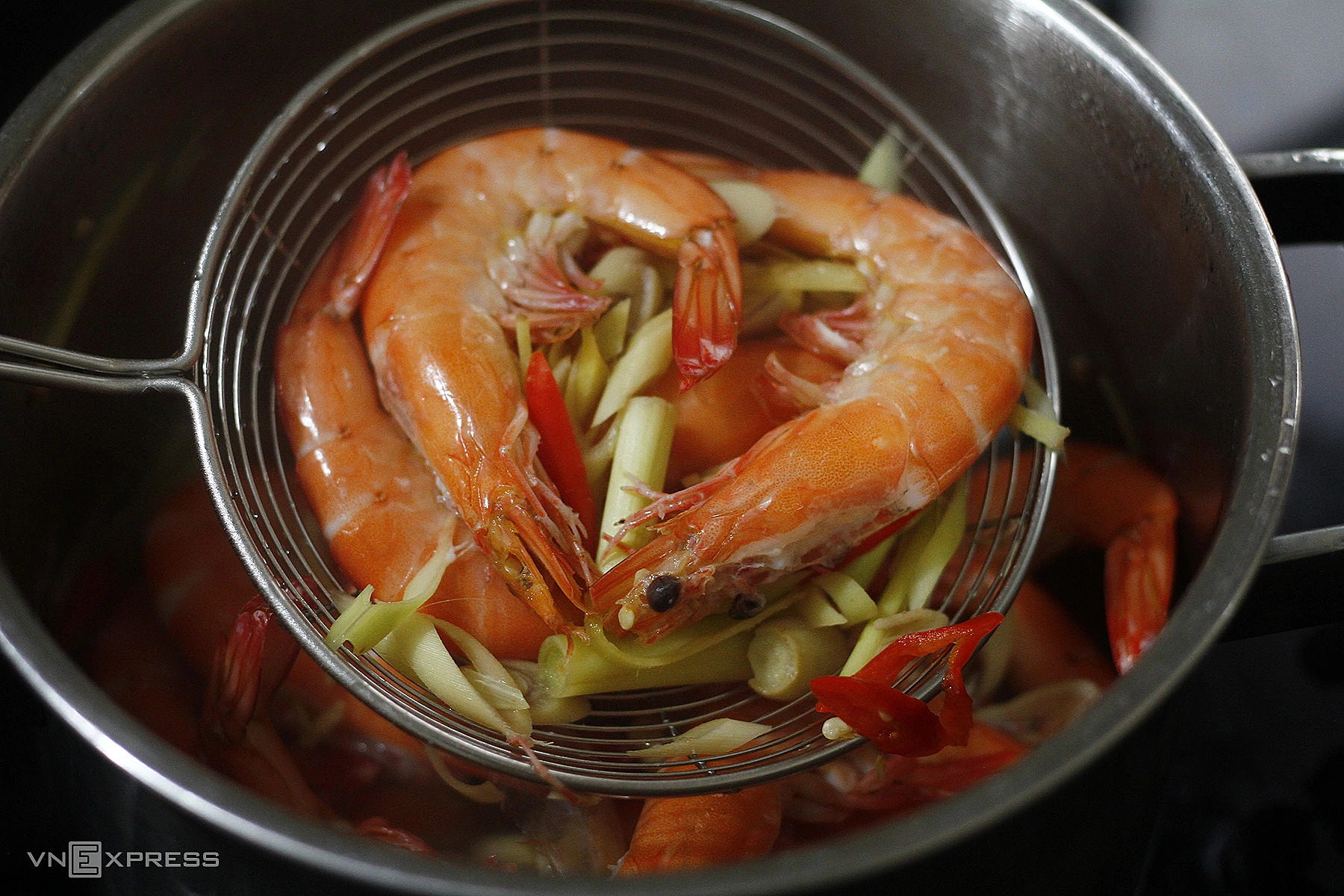
Seafood is a popular choice for gatherings. However, nephrologist Hong Yong-xiang explains that consuming seafood in summer can lead to severe kidney damage.
deadly bacteria
If seafood is left out of cold storage for even a short time during storage or transport, summer heat can cause Vibrio parahaemolyticus (sea cholera bacteria) or the dangerous Vibrio vulnificus (flesh-eating bacteria) to multiply. Consuming undercooked seafood can lead to severe food poisoning, causing intense vomiting and diarrhea. This results in significant dehydration, a sudden drop in blood flow to the kidneys, leading to acute tubular necrosis due to ischemia, and progressing to acute kidney failure.
acute gout
Shrimp, crab, and shellfish (clams, oysters, snails, etc.) are all purine-rich foods. Eating a large amount of seafood in one meal can cause uric acid levels in the body to spike instantly. If not excreted promptly, uric acid will crystallize in the joints and renal medulla, triggering an acute gout attack and blocking renal tubules.
More concerning is that if patients self-medicate with non-steroidal anti-inflammatory drugs (NSAIDs) during a recurrent gout attack, these drugs will severely constrict renal blood vessels. The combination of uric acid blockage and pain medication cutting off nourishing blood flow creates a "double blow", causing kidney function to collapse completely in an instant.
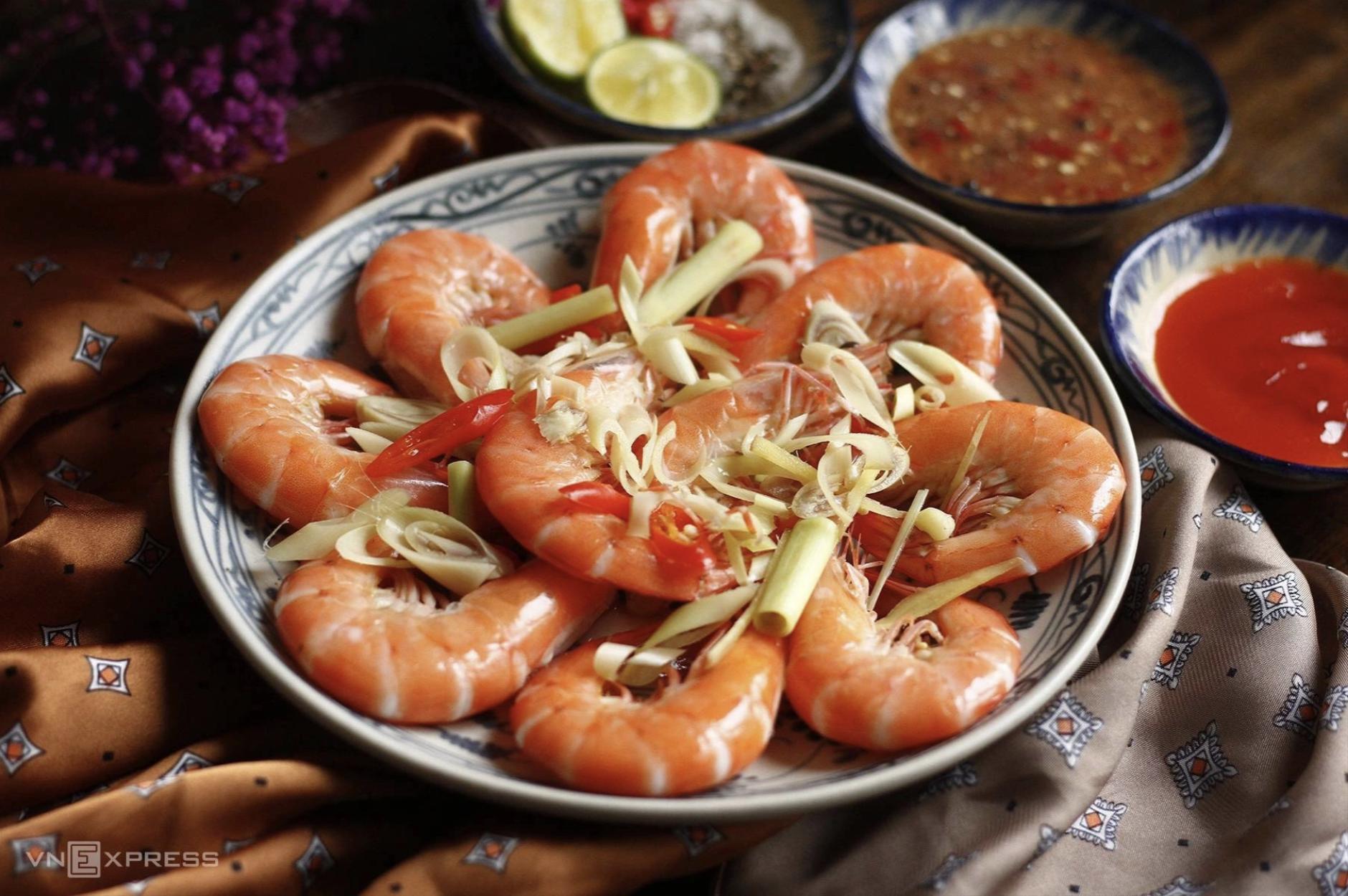 |
Shrimp, crab, and shellfish (clams, oysters, snails, etc.) are all purine-rich foods. Photo: Bui Thuy
invisible toxins
Dr. Hong Yong-xiang adds that large fish at the top of the food chain, such as sharks, swordfish, and tuna, often accumulate significant amounts of heavy metals in their bodies, notably methylmercury and cadmium. Long-term consumption of these fish can lead to chronic tubulointerstitial kidney disease, causing kidney function to silently and gradually atrophy without the patient's knowledge, eventually progressing to irreversible chronic kidney failure.
To prevent the three kidney risks mentioned above, Dr. Hong Yong-xiang offers recommendations for eating seafood:
Do not eat raw seafood: Whether it is raw oysters or raw salmon (sashimi), consuming them in the hot summer poses an extremely high risk of bacterial infection.
Do not self-medicate: If symptoms of gout or severe joint pain appear after eating seafood, do not take strong painkillers on your own. Instead, patients should immediately visit a medical facility for examination and clearly inform the doctor about their recent diet.
Choose appropriate fish size: Large fish such as sharks, swordfish, and tuna are not completely forbidden but should be consumed in moderation. Dr. Hong Yong-xiang suggests prioritizing smaller fish, "under one palm" in size, such as Pacific saury or Japanese mackerel (saba), to "enjoy the delicious taste of the food while protecting your two kidneys".
My Y (According to Today.line.me)