Alzheimer's is a chronic neurodegenerative disease causing memory loss and difficulty with self-care in older adults. It accounts for 60-80% of dementia cases.
According to the World Health Organization (WHO), in 2021, over 57 million people worldwide lived with Alzheimer's and other forms of dementia. In Vietnam, in 2021, about 110 out of every 100,000 people had Alzheimer's.
Doctor Huynh Tran An Khuong, a medical specialist at VNVC Vaccination System, stated that many recent studies indicate vaccination against flu, pneumococcal disease, and shingles may help reduce the risk of dementia and Alzheimer's in older adults.
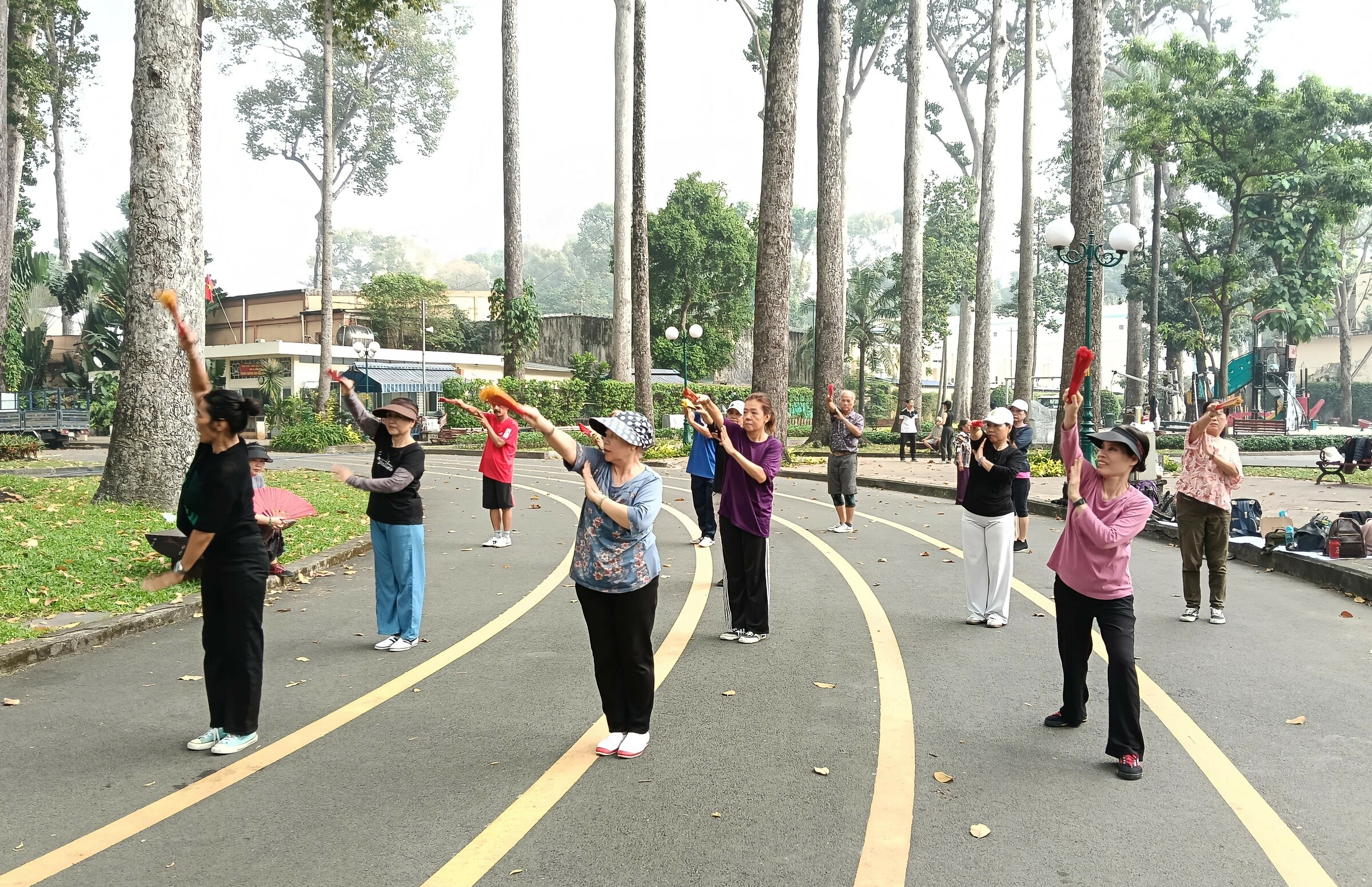 |
Older adults exercise in a park in Ho Chi Minh City. *Photo: Khanh Hoa*
**Shingles vaccine**
A study published in Nature Medicine in 2024 revealed that individuals vaccinated against shingles had a lower risk of dementia and Alzheimer's compared to those who were not vaccinated. This effect was more pronounced in the group that received two doses, especially with GSK's new generation shingles vaccine, Shingrix.
A subsequent study by the same group, published in NPJ Vaccines in 2025, noted an 18% reduction in dementia diagnoses within 18 months among those who received the shingles vaccine.
**Flu vaccine**
Several studies have also linked the flu vaccine to a lower risk of Alzheimer's. According to research by UTHealth Houston, published in the Journal of Alzheimer’s Disease on 6/2022, flu vaccination was associated with an approximately 40% reduction in Alzheimer's risk. The study involved 935,887 vaccinated individuals and 935,887 unvaccinated individuals.
Scientists suggest the flu vaccine may "train" the immune system, enhancing its ability to fight pathogens and reducing central nervous system inflammation. The vaccine may also help limit cerebrovascular damage and support immune cells in clearing abnormal proteins like amyloid-beta.
Amyloid-beta peptides are produced from amyloid precursor protein on neuronal cell membranes. When these peptides accumulate excessively, particularly the Aβ42 form, they can aggregate into amyloid plaques outside nerve cells, a characteristic often observed in Alzheimer's disease.
While further clinical research is needed to determine the exact mechanism, the flu vaccine is considered an accessible, low-cost, and safe preventive measure that may offer long-term benefits for brain health. However, flu vaccination rates among older adults, a high-risk group for dementia, remain low.
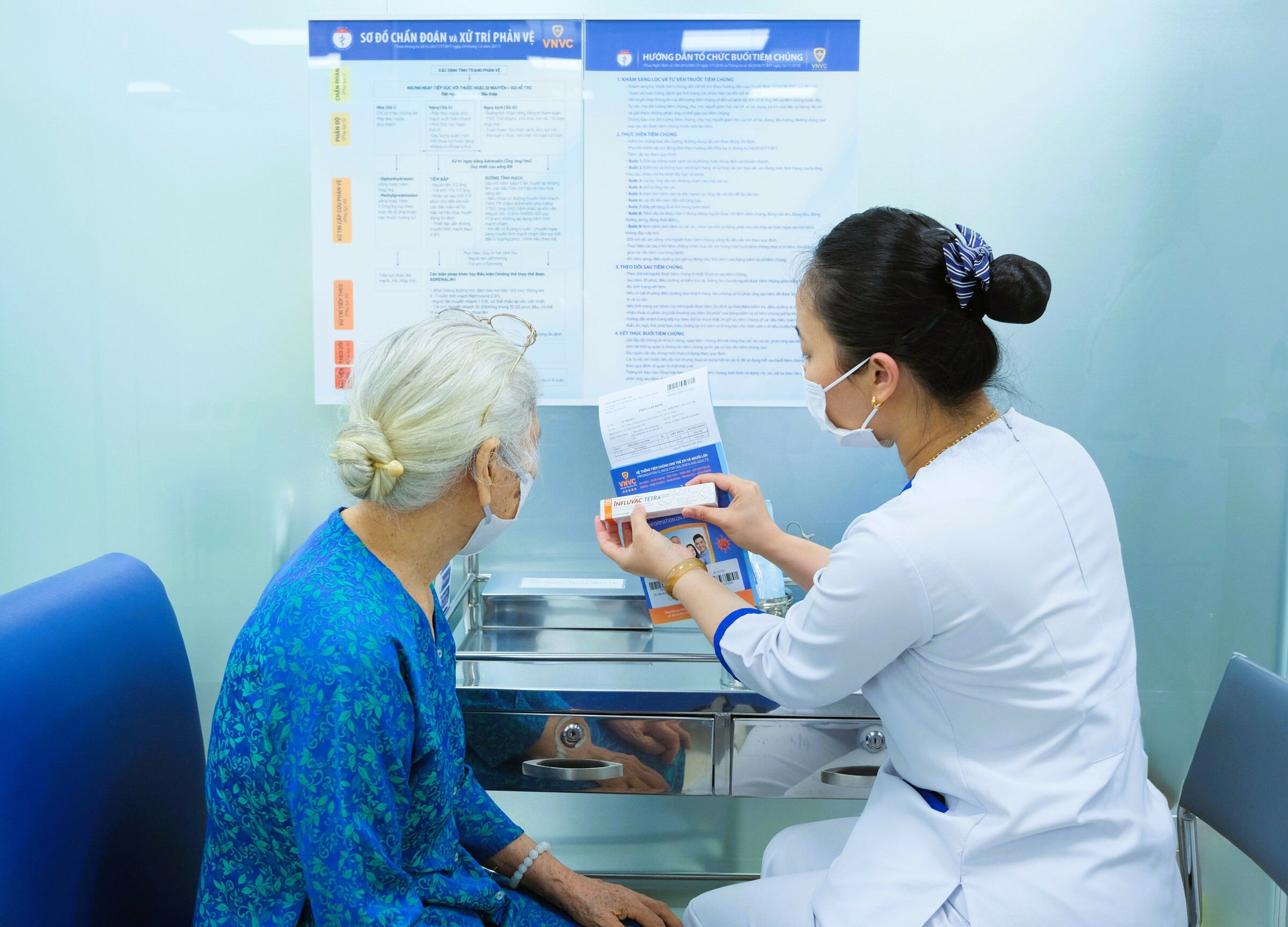 |
Older adults receive flu shots for disease prevention at VNVC Vaccination System. *Photo: Hoang Duong*
**Pneumococcal vaccine**
A study published in the Journal of Alzheimer’s Disease in 2023 indicated a 27% reduced risk of Alzheimer's in adults who received the pneumococcal vaccine. The study analyzed data from over 1.65 million people between 2009 and 2019, with a follow-up period of up to 8 years.
A meta-analysis published in 2025 in the journal Age and Ageing, synthesizing data from 21 studies with 104 million participants, also noted a link between pneumococcal vaccination and a lower risk of dementia.
Scientists believe that the benefits of vaccines extend beyond preventing infections; they may also involve reduced inflammation and immune modulation, thereby contributing to brain protection. However, most current evidence comes from observational studies, and further clinical trials are needed to confirm their efficacy and mechanisms.
"Proactive vaccination against diseases like flu, pneumococcal disease, shingles, diphtheria, and whooping cough not only helps prevent acute illness but is also a strategy for overall health protection in old age," said Doctor Khuong.
According to Doctor Khuong, the immune system gradually weakens with age. As people get older, both natural immunity and protection from childhood vaccinations decline, making adults and older adults more susceptible to infectious diseases such as flu, pneumococcal pneumonia, and shingles.
This risk is higher in individuals with underlying conditions such as cardiovascular disease, diabetes, and chronic obstructive pulmonary disease. Therefore, adults, especially high-risk groups, should actively get fully vaccinated to protect their health and reduce long-term complications.
Gia Nhi