Nutritionist Toan Thi Ngoc Anh from the Vietnam Institute of Applied Medicine states that many people often select all available fruits, peel, chop, and mix them into a large bowl to eat. However, not all fruit combinations are beneficial for the body. In fact, some fruits, when consumed together, can cause digestive disorders, discomfort, and even negatively impact long-term health.
Fruits are categorized into different groups: acidic (e.g., oranges, lemons), sweet (bananas, grapes), neutral (papayas, apples), or high-water content (watermelons, cantaloupes). Each fruit group has a different digestion rate and requires a specific pH environment in the stomach for optimal absorption. Consuming incompatible fruits simultaneously can slow down digestion, leading to fermentation in the stomach, which causes symptoms like bloating, abdominal distension, heartburn, or digestive disorders.
While fruits are essential sources of vitamins, minerals, and antioxidants, incorrect combinations can diminish their nutritional value and negatively affect the digestive system. Below are 4 fruit combinations to avoid for health and effectiveness, especially during summer.
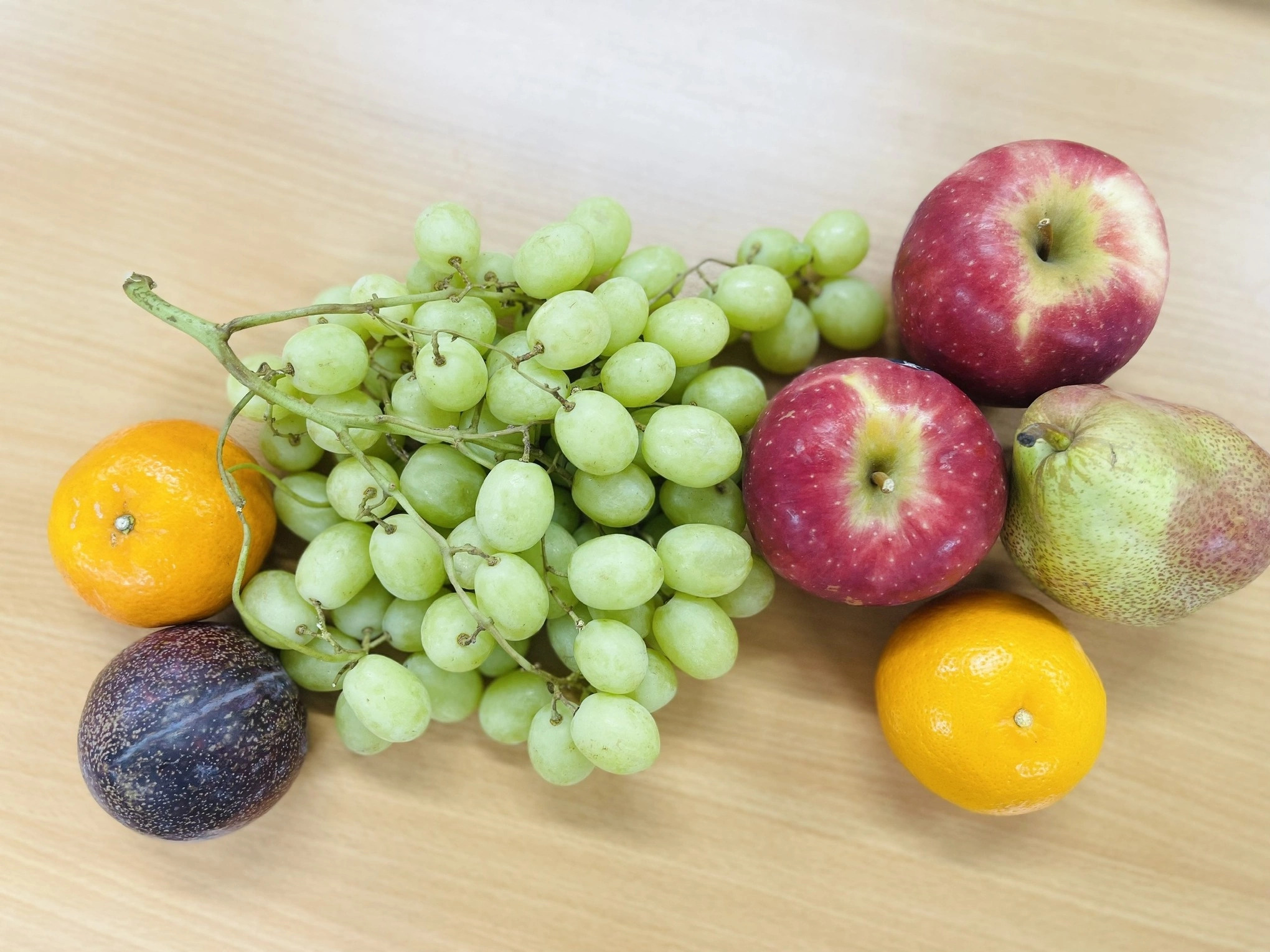 |
Illustration: Van Ly. |
Here are the fruit types that should not be combined:
Melons and other fruits: avoid mixing
Watermelons, cantaloupes, and other melon varieties have high water content and digest very quickly. When combined with slower-digesting fruits, fermentation can occur in the stomach, causing bloating and discomfort. Melons also possess distinct digestive enzymes, increasing the risk of digestive disorders when combined with other fruits. Therefore, melons should be eaten separately, at least 30 minutes away from meals or other fruits, to ensure efficient digestion.
Starchy fruits and protein-rich fruits: a difficult-to-digest combination
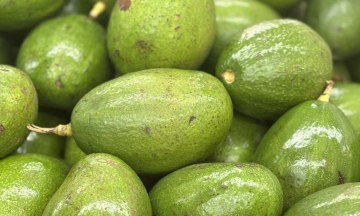
Some fruits, such as bananas, are rich in starch, while others like guavas, avocados, kiwis, and raspberries contain high amounts of plant protein. When these two groups are combined, the body must produce both acid enzymes to digest protein and alkaline enzymes to digest starch. This enzyme conflict can lead to bloating, food fermentation in the stomach, and prolonged discomfort after eating.
Acidic fruits and sweet fruits: prone to digestive upset
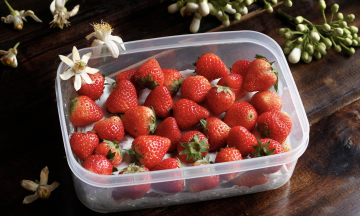
Fruits like strawberries, oranges, grapefruits, and apples are acidic, whereas bananas and raisins are sweet and ferment easily. When these two fruit groups are mixed, the sudden change in stomach pH can cause nausea, mild acidosis, or symptoms such as headaches and fatigue. For individuals with sensitive digestive systems, this combination can even trigger chronic digestive disorder symptoms.
Papaya and lemon
While papaya and lemon are both nutritious fruits when eaten separately, combining them can cause hemoglobin imbalance or even lead to anemia. For young children, whose digestive systems are still developing, this combination can create adverse reactions, causing metabolic disorders or allergies. Therefore, even if not always immediately harmful, the combination of papaya and lemon should be avoided in fruit salads or mixed juices.
Avoid combining fruits and vegetables in the same meal
Mixing fruits with vegetables in salads also requires consideration. Fruits contain high amounts of natural sugars. When combined with vegetables, which are rich in insoluble fiber and require longer digestion times, this can cause fermentation in the stomach, leading to bloating and reduced nutrient absorption. For example, combining oranges with carrots or pineapples with cucumbers can lead to excessive acidification in the stomach, causing discomfort or mild digestive upset.
Beyond avoiding incompatible fruit combinations, remember that consumption quantity also plays a crucial role. Even when eating a single fruit, consuming too much in a short period can cause intestinal disorders due to excessively high sugar and fiber content. Ideally, fruits should be eaten 1-2 hours away from main meals, prioritizing fresh, unprocessed, or long-stored fruits.
Additionally, each individual should listen to their body's reactions after eating fruit. If symptoms like bloating, stomach pain, or mild diarrhea occur after mixing fruits, one should note the types consumed and consider eliminating certain combinations.
Overall, fruits are an indispensable part of a healthy diet, especially in summer when the need for hydration and vitamins is high. However, to maximize nutritional benefits, fruits must be selected and combined scientifically. Avoiding unsuitable fruit combinations not only helps maintain a healthy digestive system but also prevents potential long-term health issues.
Thuy Quynh