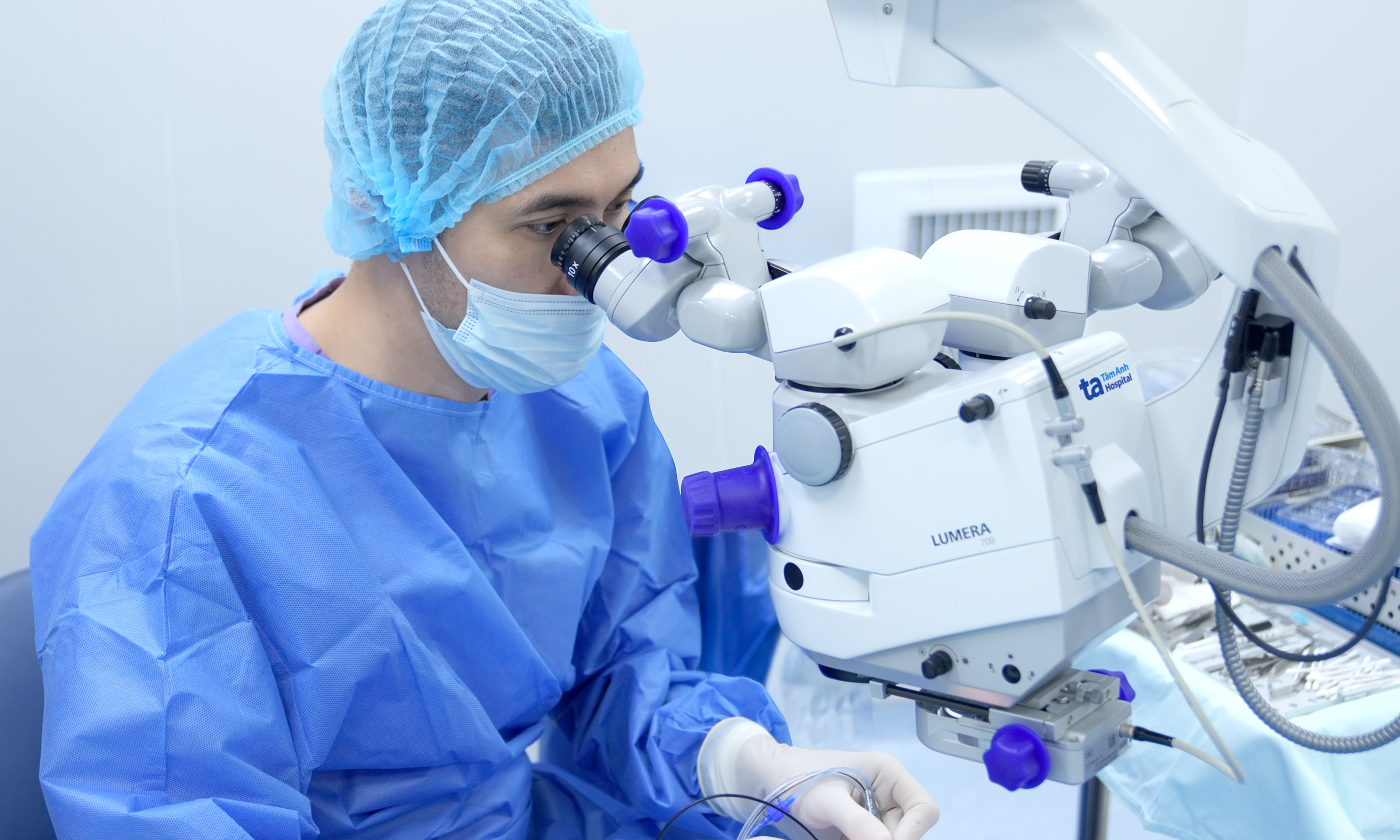
Eyelids protect the eyeball and help maintain normal vision. Ptosis occurs when the upper eyelid droops lower than usual, partially or completely covering the pupil. Ptosis can affect one or both eyes and can appear at any age.
Aging is the most common cause of ptosis in adults. Over time, the levator palpebrae superioris muscle tendon – the structure that helps lift the eyelid – can stretch or weaken. This causes the eyelid to gradually droop, making the eye appear smaller and sometimes affecting vision. However, according to ophthalmology specialists, several serious neurological conditions can also cause unilateral ptosis.
Myasthenia gravis
Myasthenia gravis is an autoimmune disease that disrupts nerve-to-muscle signal transmission, leading to muscle weakness. The eyelids are among the first areas typically affected.
Individuals with myasthenia gravis may experience ptosis in one or both eyes, which worsens later in the day or after prolonged activity. Some cases also involve double vision, difficulty swallowing, or limb weakness.
If ptosis is accompanied by double vision and symptoms that fluctuate with fatigue levels, patients should consult an ophthalmologist or neurologist.
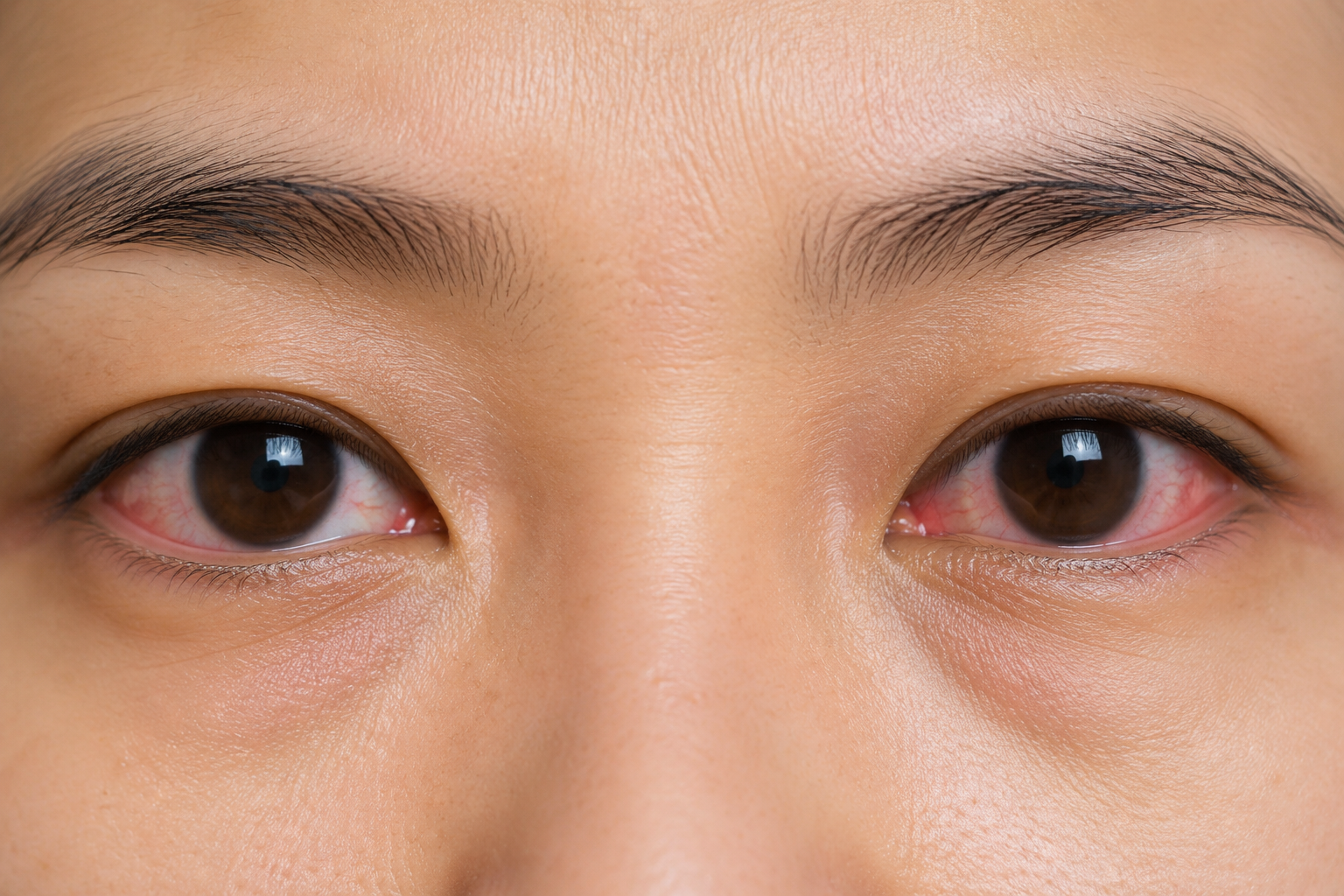 |
Eyelids protect the eyeball and help maintain normal vision. Photo created by AI |
Horner's syndrome
Horner's syndrome occurs when the sympathetic nerve pathway to the eye and face is damaged. In addition to mild unilateral ptosis, patients may experience a constricted pupil on the affected side, reduced sweating on the same side of the face, or an eye that appears sunken into the socket.
The cause can relate to nerve damage in the neck, chest, or brain. Therefore, patients require evaluation to identify the underlying cause.
Oculomotor nerve palsy
Cranial nerve III, also known as the oculomotor nerve, controls most eye movement muscles and the levator palpebrae superioris muscle. When this nerve is damaged, patients may experience pronounced ptosis, double vision, and restricted eyeball movement.
Causes include cerebral aneurysms, diabetes, hypertension, or head trauma. Patients need immediate examination, especially if ptosis appears suddenly.
Stroke
Eyelid ptosis can sometimes be a sign of stroke or acute brain injury. Patients typically experience ptosis along with other symptoms such as facial drooping, weakness or numbness on one side of the body, speech difficulty, loss of balance, or double vision. If these symptoms appear suddenly, immediate emergency care is crucial, as early treatment can help reduce the risk of long-term complications.
Orbital tumors or lesions
Tumors in the eye, orbit, or brain can compress nerves and the levator palpebrae superioris muscle, leading to persistent ptosis. Depending on the cause, patients may also have eye pain, proptosis (bulging eye), vision loss, or limited eyeball movement.
Individuals with persistent ptosis of unknown origin should be examined by an ophthalmology specialist to rule out serious conditions.
Bao Bao (Compiled)
| Readers can submit questions about ophthalmic diseases here for a doctor's response. |