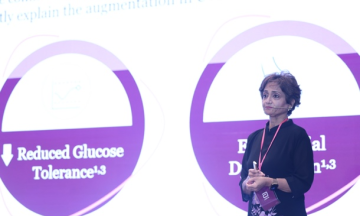
A recent scientific workshop, "New era in systemic lupus erythematosus treatment," organized by the Vietnam Rheumatology Association and AstraZeneca Vietnam, underscored a concerning reality in screening for this autoimmune disease. Associate Professor Doctor Nguyen Van Hung, Director of the Musculoskeletal Center at Bach Mai Hospital, reported that patients often face a prolonged diagnostic journey, moving between various specialties like internal medicine, dermatology, cardiology, neurology, and respiratory care. He added that under 10% of cases are detected early due to the disease's vague clinical manifestations.
Systemic lupus erythematosus, a chronic condition, disproportionately affects women, with incidence rates nine times higher than in men. It predominantly impacts individuals in their reproductive and working ages, from 15 to 45. Associate Professor Doctor Nguyen Van Dinh, Director of the Clinical Allergy and Immunology Center at Vinmec Times City, highlighted that the disease's multi-organ flare-ups often lead to years-long diagnostic processes. Vietnamese patients face additional hurdles, including a shortage of specialized experts, uncoordinated inter-specialty procedures, and limited access to specific treatments. Consequently, by the time a precise diagnosis is made, many patients have already developed widespread, irreversible organ damage.
 |
The patient's body shows numerous red rashes due to lupus. *Le Phuong*.
Traditional treatment regimens currently rely primarily on corticosteroids and immunosuppressants. However, prolonged use of these methods poses risks of increased toxicity and organ damage, significantly diminishing patients' quality of life. To mitigate these issues, the global medical community is shifting towards early screening and target-based treatment strategies, enabling patients to control symptoms from the initial stages.
International experts consider biological therapies a significant breakthrough, effectively addressing the drawbacks of conventional protocols. Professor Yoshiya Tanaka from the University of Occupational and Environmental Health, Japan, explained that the mechanism of blocking interferon type I signals enables clinicians to effectively manage disease activity and reduce flare-ups for Asian patients.
Echoing this sentiment, Professor Richard Furie from Northwell Health, US, pointed to pivotal clinical trials of biological therapies. These trials demonstrated a significant reduction in patient dependence on corticosteroids, organ protection, and a gradual return to normal daily life.
According to statistics from the Ministry of Health in Vietnam, approximately 50 out of every 100,000 people suffer from lupus erythematosus, with women accounting for 90% of cases. The disease is linked to estrogen hormone, an endocrine factor that enhances immune response, increasing disease risk and potentially exacerbating its progression in some individuals. In its early stage, lupus is challenging to identify and often mistaken for other conditions, as symptoms vary among individuals. Symptoms can be cyclical, mild, and transient, sometimes requiring no intervention. However, the disease can also become severe, manifesting as acute or chronic tissue inflammation, leading to dangerous complications that necessitate intensive and prolonged treatment.
Le Nga