Response:
Pork fat contains vitamins B and D, along with minerals, aiding calcium absorption. It provides beneficial fats and is a primary energy source, particularly for young children.
However, white rice is high in calories and carbohydrates, while pork fat is also calorie-dense and rich in saturated fatty acids. Excessive consumption can lead to nutrient overload and be detrimental to children's health. Contrary to popular belief, this meal does not offer significant nutritional value, nor does it promote healthy weight gain or overall development. Children who consume too much fat risk obesity, stunted growth, and various health issues, including nutrient deficiencies or indigestion, which can harm their digestive system.
The optimal approach involves a balanced diet, increasing intake of green vegetables, protein, and vitamins, ensuring adequate hydration, and regular physical activity. It is advisable to limit fat consumption, even from reputable sources like home-raised pork.
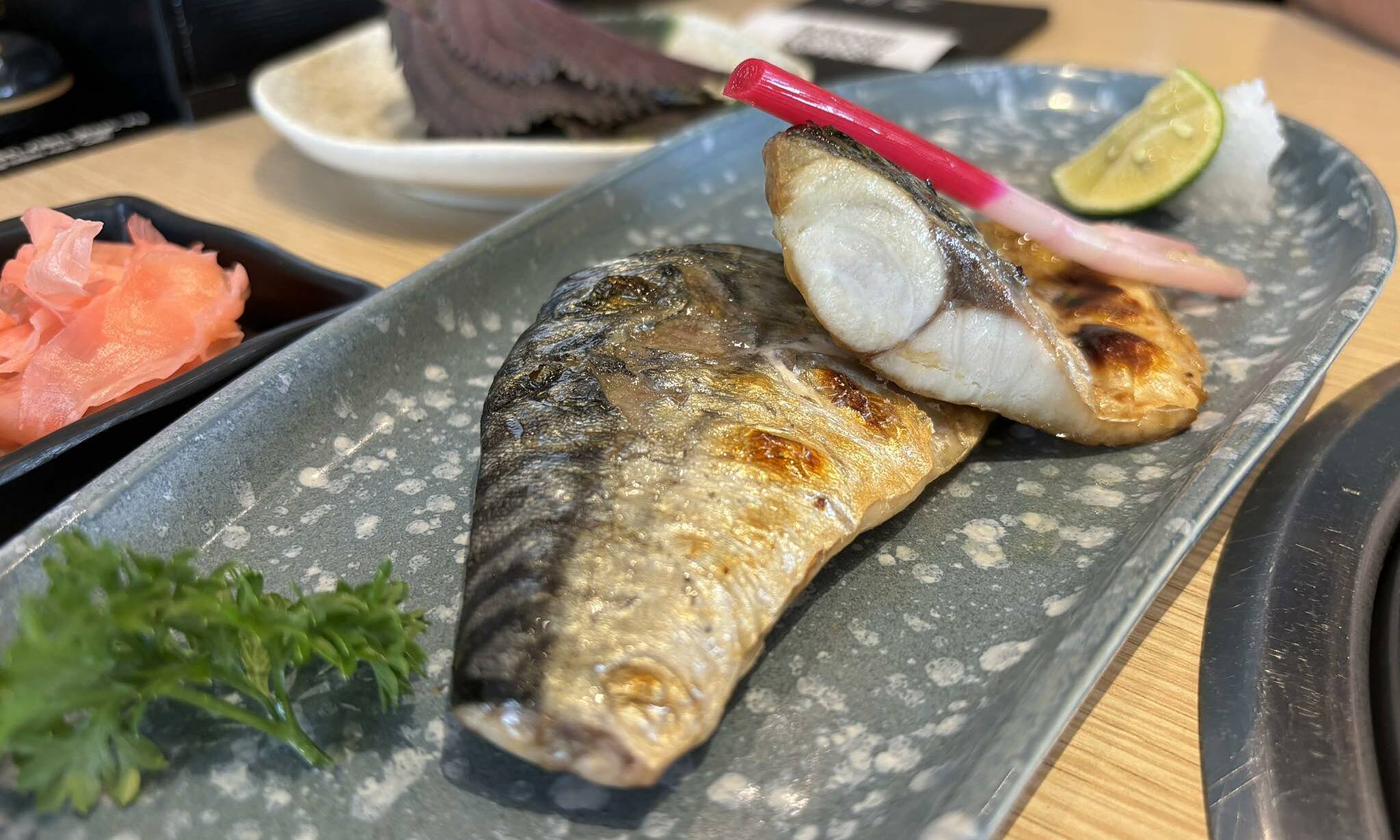
Children require a diverse range of fats for brain development and to absorb essential vitamins (A, D, E, K). Parents should incorporate both animal fats and vegetable oils into their diet. Prioritize fats from fatty fish, such as salmon and mackerel, due to their rich omega-3 content beneficial for brain health. Additionally, oils like olive oil and canola oil are good choices for boosting immunity. Children also need fresh milk, yogurt, and vitamins, alongside regular exercise, adequate rest, and relaxation, to foster healthy, comprehensive development.
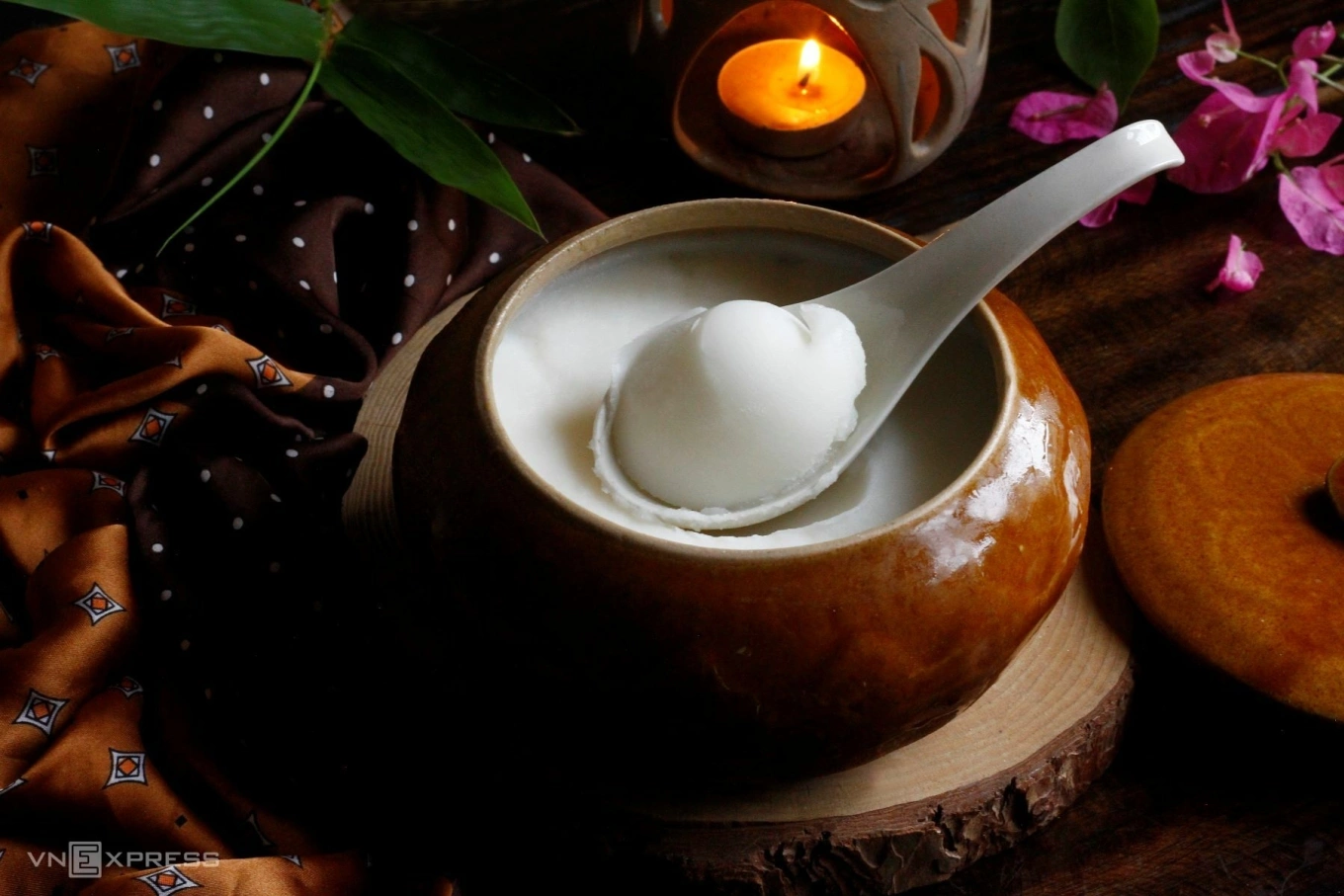 |
Illustrative photo: Bui Thuy
Associate Professor, Doctor Nguyen Duy Thinh
Former Lecturer, Institute of Biotechnology and Food Technology, Hanoi University of Science and Technology