Spinal spurs are a natural part of the aging process. To counteract this, the body grows additional bone fragments outwards and on both sides of the spine to maintain stability and reduce stress on the spinal column. Over time, these bone fragments develop into spinal spurs, causing pain and affecting mobility. Master of Science, Doctor Dang Quoc Duan, from the Department of Spinal Surgery at Tam Anh General Hospital, Ho Chi Minh City, states that spinal spurs are very small and often appear only on the front and sides of the spinal column. Consequently, in many cases, the condition progresses silently with no clear symptoms.
However, when the spurs rub against other bones, ligaments, or nerve roots, patients experience intense pain that can radiate to the limbs, accompanied by numbness, affecting movement. In severe cases, patients may experience loss of bladder and bowel control or autonomic nervous system dysfunction, characterized by disordered automatic reflexes, increased sweating, and respiratory decline.
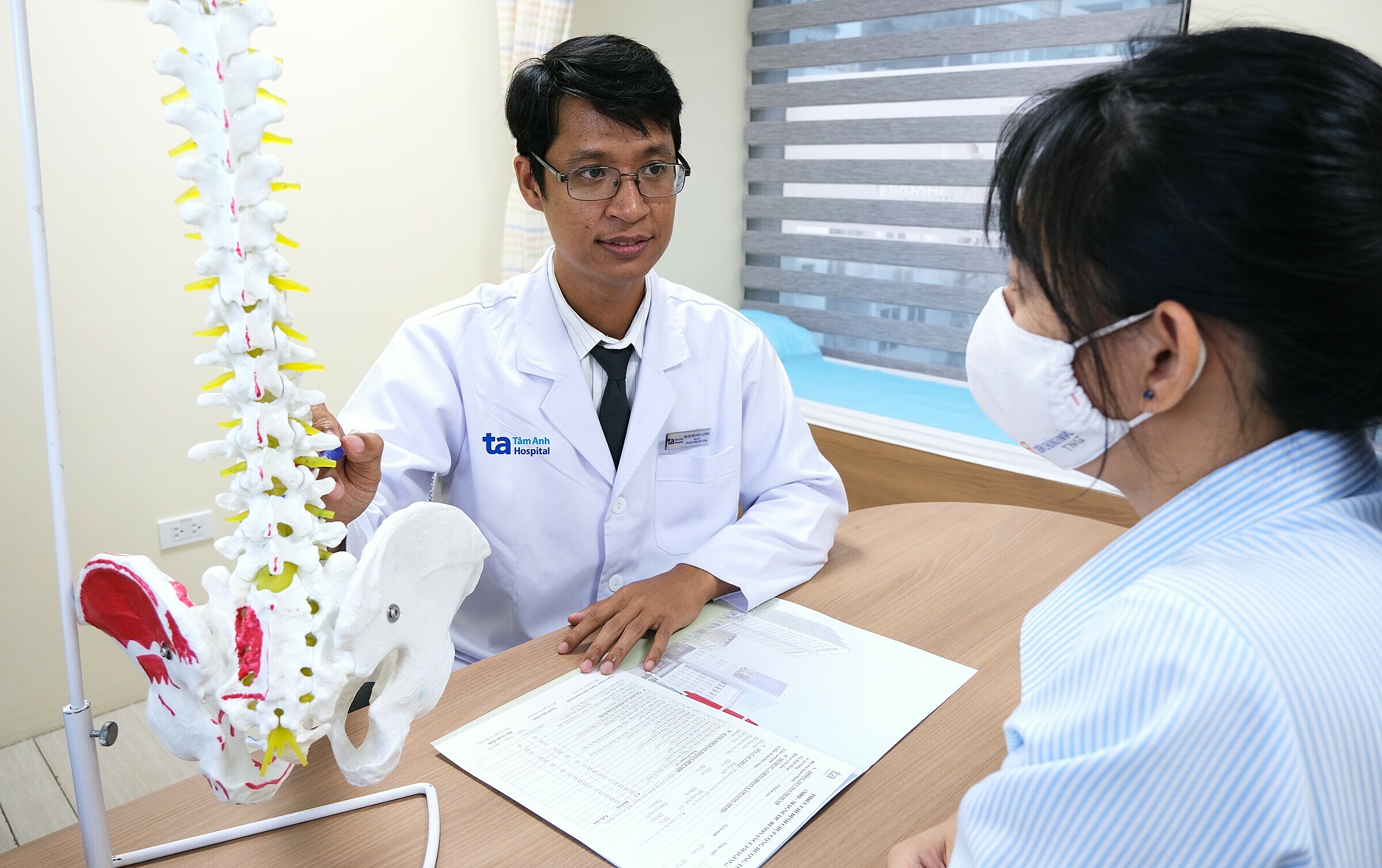 |
Doctor Duan explains spinal function to a patient. *Photo: Tam Anh General Hospital* |
Pain varies depending on the spur's location:
Cervical spinal spurs can cause typical syndromes such as cervical-shoulder syndrome, cervical-shoulder-arm syndrome, vertebral artery-soft tissue syndrome, and cervical spinal cord compression syndrome. These conditions lead to neck pain, radiating numbness and pain down the arms, and impaired grip.
Lumbar spinal spurs are additional bone growths resulting from the ossification of subchondral bone and the erosion of articular cartilage in the lumbar spine. This is a progressively worsening chronic condition that causes lumbar spinal deformity without inflammatory symptoms. The condition can affect various body parts, including the mid-spine, causing lower back pain and pain in paraspinal muscles. Most symptoms last for a period then disappear, but sometimes a sudden movement can trigger a recurrence.
According to Doctor Duan, current treatment for spinal spurs primarily focuses on medication to alleviate immediate pain. Exercise combined with chiropractic therapy strengthens the spine and surrounding muscles, slowing down the degenerative process. Surgery is a last resort, considered only when conservative treatments are ineffective, or when bone spurs are excessively large, compressing the spinal cord, narrowing the spinal canal, or compressing the nervous system, leading to limb numbness, and bowel or bladder dysfunction.
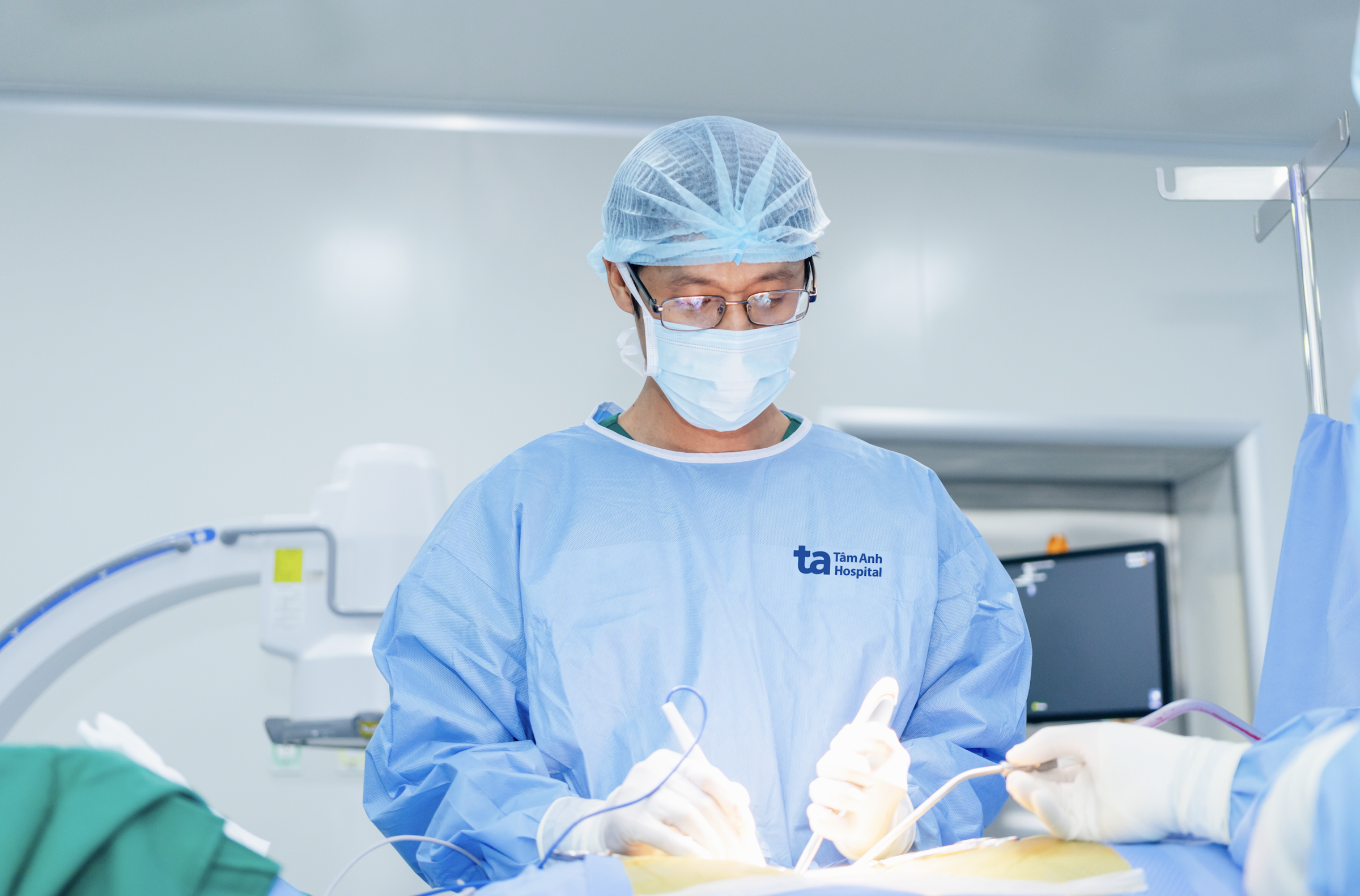 |
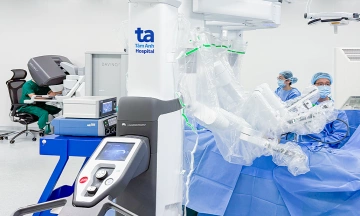
Doctor Duan during a spinal surgery. *Photo: Tam Anh General Hospital* |
Doctor Duan states that spinal surgery in general, and bone spur surgery in particular, is currently very safe with a high success rate. Typically, patients can walk and begin physical therapy on the first day after surgery, returning to daily activities quickly. However, after surgery, bone spurs can recur, even growing back in the same location. Therefore, patients need to maintain a healthy lifestyle, paying attention to posture during study, work, and daily activities to limit the risk of recurrence. Adherence to treatment and regular follow-up appointments are crucial for timely detection and management of any abnormalities.
Phi Hong
| Readers can send questions about musculoskeletal diseases here for doctors to answer |