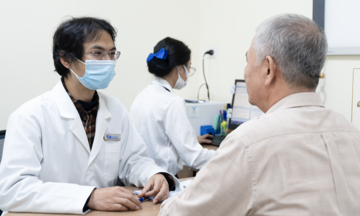
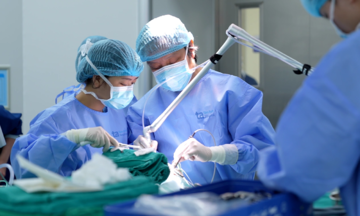
In only 12 days, she completed the entire process, from blood tests and electrocardiograms to endoscopy and polyp removal surgery. The total cost was a mere 400 USD (approximately 10 million VND), which is 10 to 17 times less than the 4,000 to 7,000 USD charged at private clinics in her home country. Amie's story, widely shared on social media in early 2026, is not an isolated incident but a vivid testament to a dramatic reversal in global medical tourism trends.
A decade ago, healthcare observers predicted a wave of wealthy Chinese individuals seeking premium medical services abroad in the US, Germany, or Singapore. However, by early 2026, an unexpected inverse scenario is unfolding, with China emerging as a new "magnet" for global medical tourism, boasting two compelling strengths: speed and affordability, according to the Daily Economic News on 4/2.
By 2026, the balance has shifted. China is rising as an attractive medical tourism destination due to its core competitive advantages: rapid service and optimal costs. According to a report from China's National Health Commission, international departments at major hospitals received 1,28 million foreign patients in 2025, marking a 73,6% growth compared to three years prior.
This surge is fueled by a flexible visa policy. Beijing's allowance for citizens from 55 countries to transit visa-free for up to 240 hours (10 days) has created an ideal legal pathway for general health check-up packages or short-term treatments.
On online forums, comparisons of medical costs between China and Western countries have become a central topic of discussion. The figures reveal a paradox: a cardiovascular check in China costs 75 USD (1,9 million VND), while in the US, this figure can soar to 20,000 USD (518 million VND) for uninsured patients. Even a 19 USD X-ray in China astonished US social media users, as it was cheaper than a toy medical kit in a supermarket.
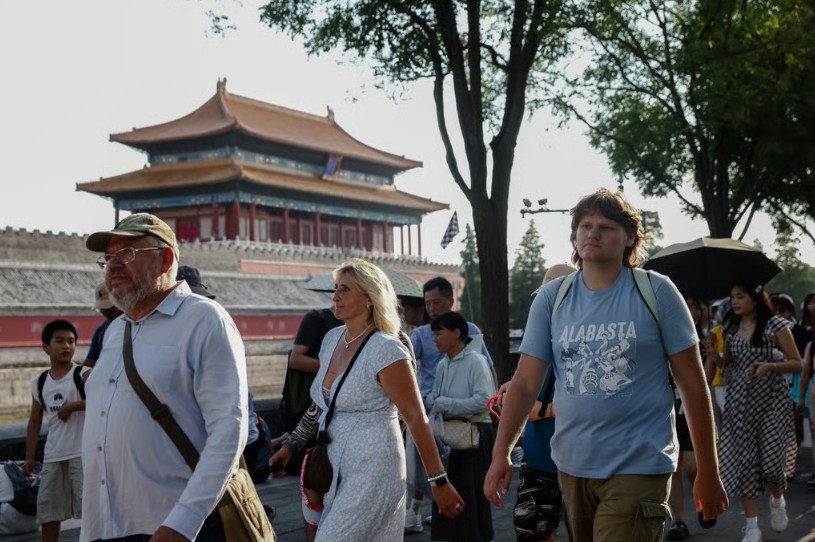 |
Foreign tourists walk near the Forbidden City in Beijing. Photo: EPA-EFE |
However, low cost is not the only factor. Many patients seek treatment in China for its unique and refined medical techniques. Kevin, a doctor from Vancouver, Canada, brought his 10-year-old daughter to Ruijin Hospital in Shanghai for pancreatic treatment after specialists in North America and Japan recommended removing both the tumor and her spleen.
"The pancreatic surgeons here are world-class," Kevin stated after his daughter's spleen-preserving surgery was successful. "The hospital possesses not only leading techniques but also superior medical thinking and care services."
Key services currently attracting foreign patients include dentistry, ophthalmology, and traditional medicine physiotherapy, areas often not fully covered by health insurance in many Western countries or where private service costs are very high.
Addressing concerns that the influx of foreign patients might strain domestic medical resources, hospital administrators in Shanghai affirmed that the system is operating stably. With a total of 10 billion outpatient visits nationwide during the same period, the number of international patients constitutes a small percentage, indicating the robust capacity of China's high-level healthcare system.
"The current number of foreign visitors is far from reaching a threshold that could pressure the national healthcare system," affirmed Liu Dan, President of Tianjin Pengrui Hospital, China's first 100% foreign-funded international general hospital, in an interview with the Daily Economic News.
According to Liu Dan, the essence of medical tourism lies in understanding the "pain points" of patients in each country. Having studied in the UK, she understands the frustration of patients waiting from four weeks to two years for a dental appointment with the NHS. China's "register and treat on the same day" model is a powerful psychological incentive for those accustomed to long waits.
Despite possessing world-leading techniques such as CAR-T cell therapy, with prices reduced to approximately 200,000 yuan (748 million VND), China's medical tourism industry still faces a significant challenge regarding perception. "Many foreigners use Chinese products, but they still don't believe that Chinese doctors can cure their illnesses," Liu Dan shared.
Furthermore, language and culture are also barriers. Qu Zhen, Director of the International Medical Center at Peking University International Hospital, cited examples such as Middle Eastern patients requiring strict privacy for women and Halal food. Small details like installing additional spray hoses in bathrooms or training staff in cross-cultural communication are becoming essential requirements to attract international clients.
Data indicates that China currently has over 850 medical facilities offering international services in 57 cities. Although this industry is still in its early stages, experts believe its potential for growth is substantial, thanks to the combination of doctors' clinical experience and support from new visa-free policies.
"The benefits of opening up always outweigh the challenges it brings," Liu Dan emphasized. "We cannot stop moving forward because of a few unmaterialized concerns."
Binh Minh (According to SCMP, Daily Economic News)