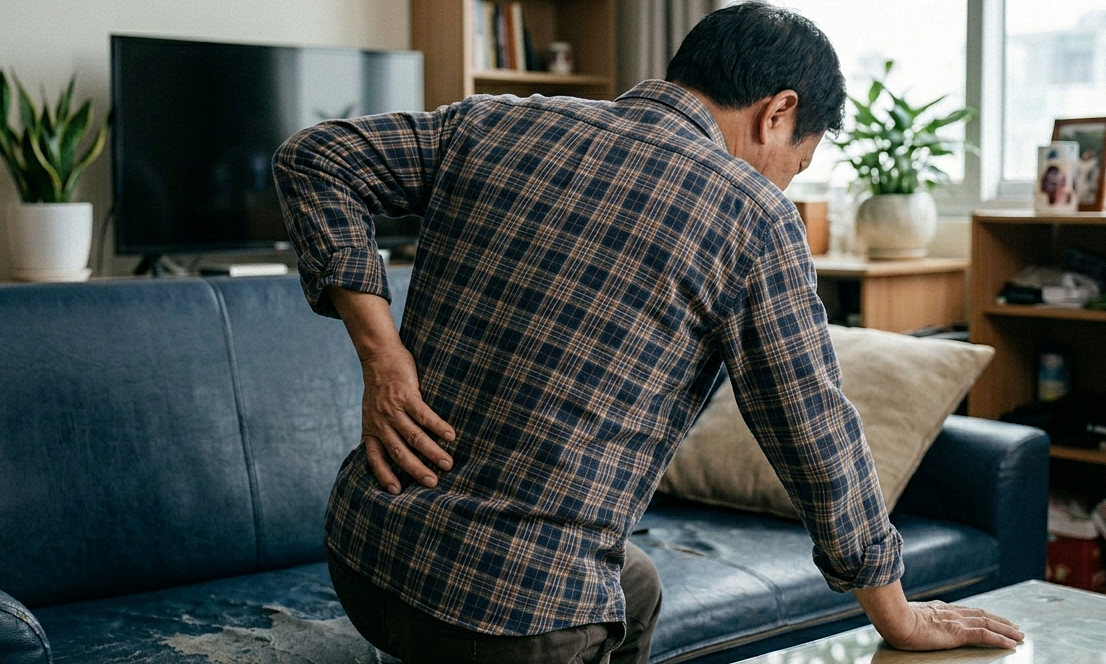
The meniscus, located between the ends of the knee joint bones, provides shock absorption, distributes force, and enhances joint stability. It also assists in lubrication, cartilage nourishment, and prevents joint impingement. Dr. Dao Duy An Duy, a specialist at the Orthopedic Trauma Center, Tam Anh General Hospital HCMC, explains that a damaged meniscus can lead to daily difficulties for patients and a risk of complications affecting movement.
Severe pain: Patients experience pain within the knee joint, especially when bending, extending, or twisting the leg left or right. In some cases, there may be swelling, making it impossible to straighten the leg.
Quadriceps atrophy: Patients tend to limit movement to alleviate pain from a meniscus tear. If this condition persists without timely treatment, it can lead to quadriceps atrophy, making walking and movement difficult, and preventing the patient from straightening their leg.
Knee joint damage: If the meniscus is completely damaged, it may need to be removed, leading to rapid degeneration and damage of the knee joint. The younger the patient is when the meniscus is removed, the faster the degeneration and damage of the knee joint progresses.
Damage to other structures: Meniscus tears caused by an anterior cruciate ligament injury can lead to avulsion fractures, posterior cruciate ligament damage, or bone marrow edema.
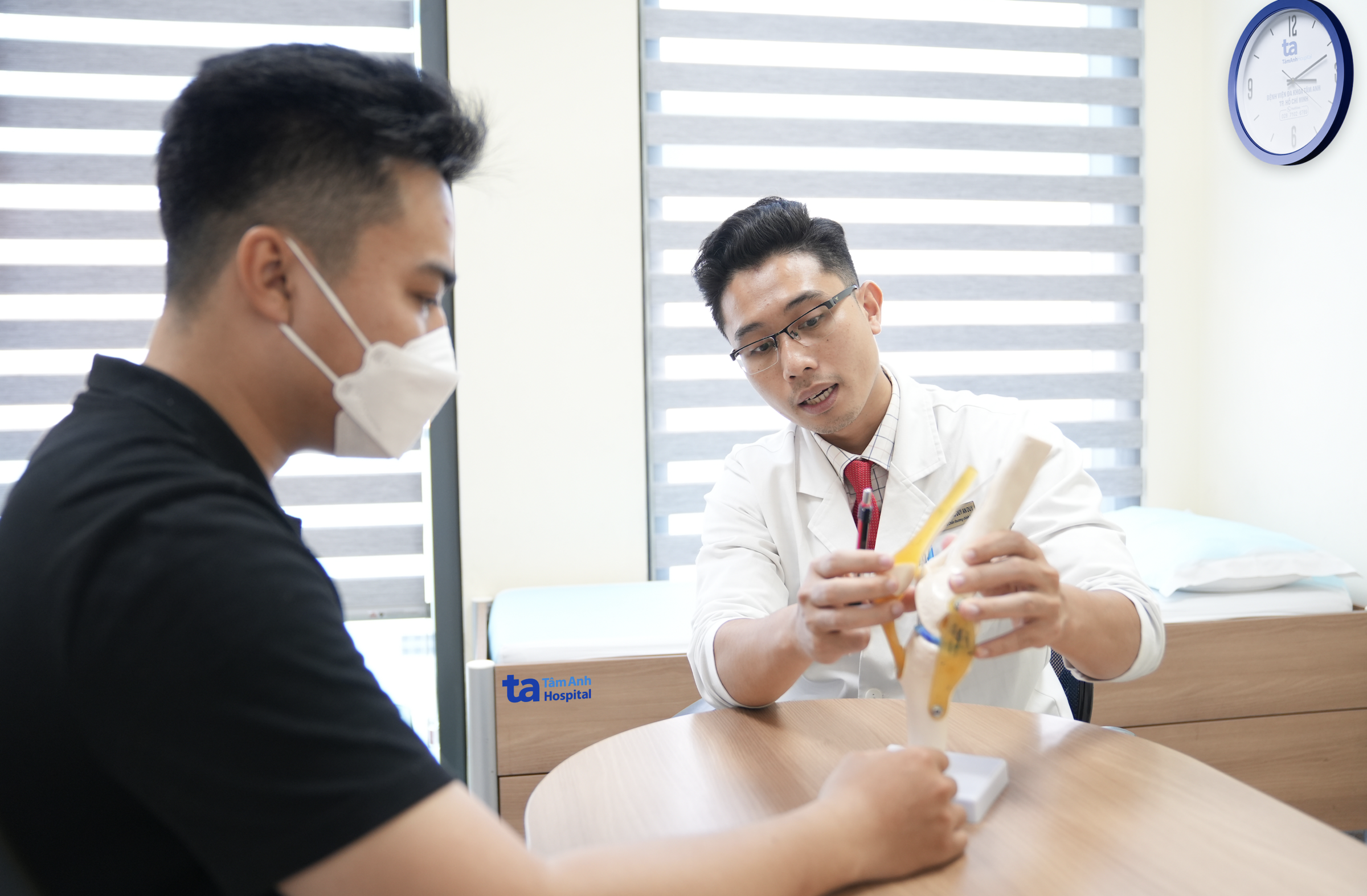 |
Dr. Duy explaining a patient's meniscus injury. Photo: Tam Anh General Hospital |
Dr. Duy explaining a patient's meniscus injury. Photo: Tam Anh General Hospital
The chosen treatment method for a meniscus tear depends on the injury's location, size, morphology, and severity, as well as the patient's age and activity level. Not all cases require surgery; mild injuries can heal naturally with proper home care, including ice application, activity restriction, and using pain relievers, anti-inflammatory drugs, and anti-edema medications.
For severe injuries, doctors may intervene surgically to remove, graft, or repair the meniscus. Dr. Duy states that arthroscopy is often preferred over open surgery for meniscus tears due to smaller incisions, minimal invasiveness, reduced damage to healthy tissues, improved cosmetic outcome, faster patient recovery, and lower treatment costs. After surgery, patients' mobility can recover up to 90%, and depending on the injury's severity, they may resume sports and exercise after 6-9 months.
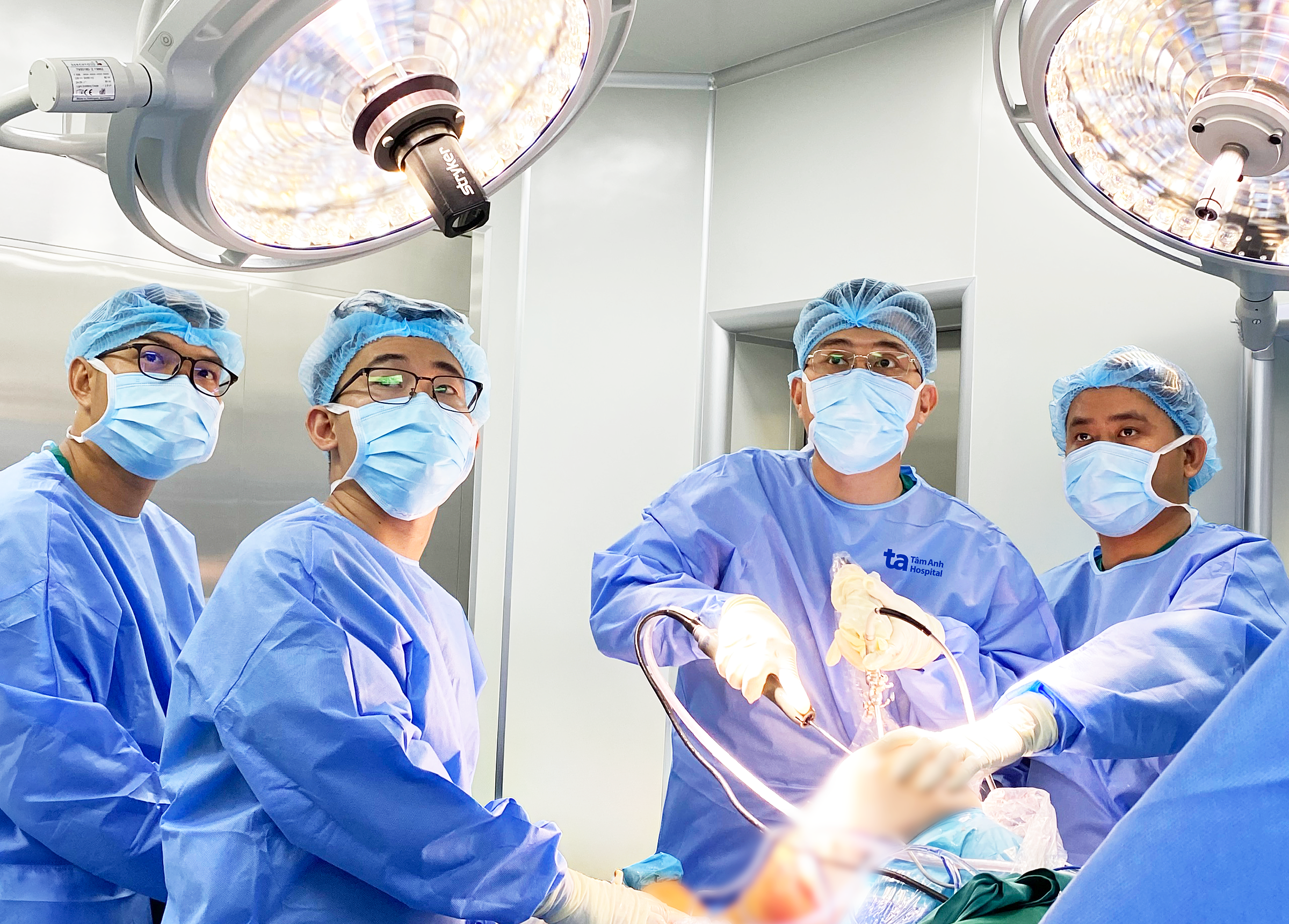 |
Dr. Duy (second from right) performing arthroscopic meniscus repair for a patient. Photo: Tam Anh General Hospital |
Dr. Duy (second from right) performing arthroscopic meniscus repair for a patient. Photo: Tam Anh General Hospital
Meniscus tears are among the most common knee injuries, often resulting from sports trauma, traffic accidents, or occupational accidents. To prevent this injury, doctors recommend maintaining correct posture during work or activity, avoiding sudden knee twisting movements, and exercising regularly at an appropriate intensity to maintain knee joint flexibility. Individuals who have sustained an injury must follow their doctor's treatment instructions, daily routines, and scheduled follow-up appointments to accelerate recovery and prevent recurrence.
Phi Hong