Women are particularly susceptible to iron deficiency due to blood loss during menstruation, pregnancy, or an unbalanced diet. When the body doesn't receive enough iron, various organs can function less efficiently, leading to a range of health and aesthetic issues. Women aged 19-50 typically require about 18 mg of iron daily.
Pale skin
According to Healthline, iron is a vital component for the body to produce hemoglobin, which transports oxygen to organs and tissues, including the skin. When iron is deficient, hemoglobin levels decrease, making blood vessels under the skin appear less red. This results in pale, sallow, and lifeless-looking skin. Prolonged oxygen deprivation also slows down skin cell regeneration, making the skin prone to dryness, dullness, and a lack of freshness.
Irregular menstruation
Insufficient iron for red blood cell formation and oxygen transport can impact physiological activities, including reproductive function. Some women with severe iron deficiency experience irregular menstruation, characterized by extended cycles, infrequent periods, or lighter-than-normal blood flow.
A lack of adequate iron also exacerbates common menstrual symptoms such as fatigue, dizziness, headaches, and reduced stamina. If menstrual cycles change unusually, women should consult a doctor to determine the cause and receive appropriate treatment.
 |
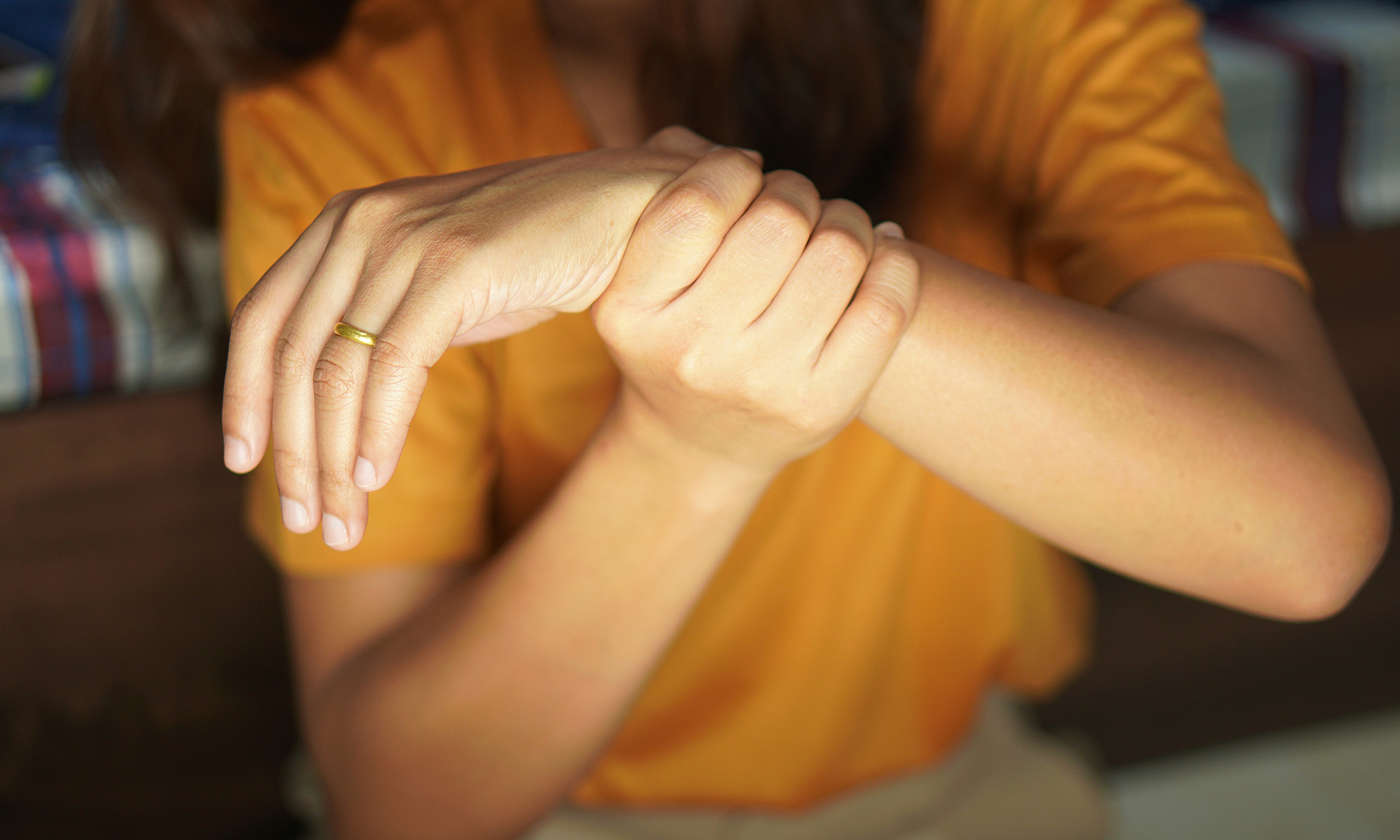
Iron deficiency can cause pale, lifeless skin. *Photo created by AI*. |
Weakened immunity
Iron plays a crucial role in the production and maintenance of immune cells, such as lymphocytes and macrophages, which are responsible for identifying and destroying pathogens. When iron is deficient, the development and activity of these cells are impaired, diminishing the body's ability to combat bacteria, virus, and other disease-causing agents.
Inadequate iron reduces oxygen transport to tissues, affecting the body's recovery and regeneration processes after infection. Individuals with this nutritional deficiency are often more susceptible to recurrent infections, frequent colds, slow wound healing, and prolonged recovery periods after illness, according to Times of India.
Headaches, dizziness
When iron levels are low, reduced hemoglobin means the brain doesn't receive enough oxygen to function optimally. This can easily lead to headaches, dizziness, and lightheadedness, particularly when standing up suddenly or engaging in physical activity. Simultaneously, the heart has to work harder to compensate for the oxygen deficit, causing individuals to experience palpitations, fatigue, and decreased concentration.
Le Nguyen (Compiled)
| Readers can send questions about pregnancy and childbirth here for doctors to answer |