The gallbladder stores and releases bile, which helps digest fats in food. However, some individuals require surgical removal of the gallbladder due to certain medical conditions. Without a gallbladder, bile flows directly from the liver into the small intestine without concentration, allowing the body to digest most normal foods.
In the initial stage, the body has not yet adapted, leading to reduced fat digestion. Patients may experience bloating, abdominal distension, and diarrhea when consuming high-fat, difficult-to-digest foods. Therefore, during the recovery phase, patients should choose easily digestible, nutrient-rich foods that support intestinal function.
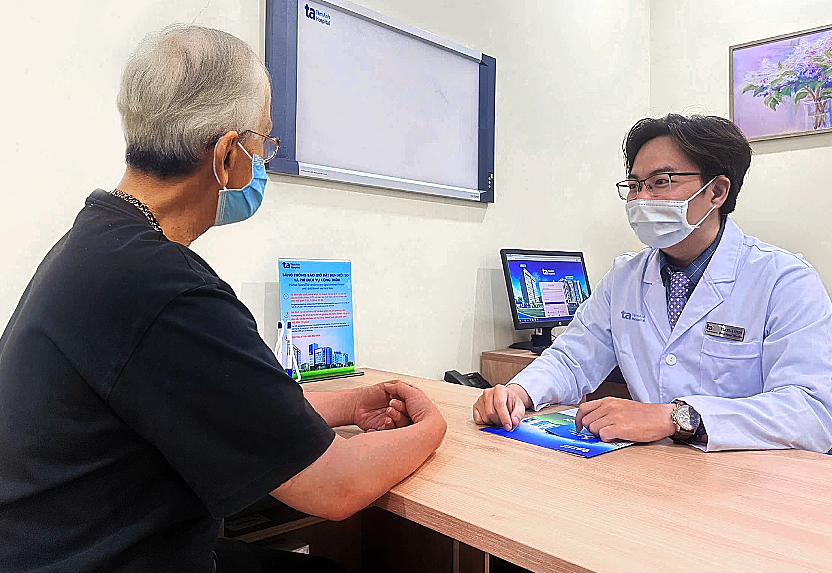 |
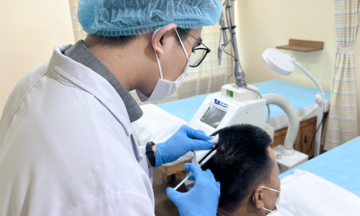
Dr. Le Khoa examines a patient. Photo: Tam Anh General Hospital |
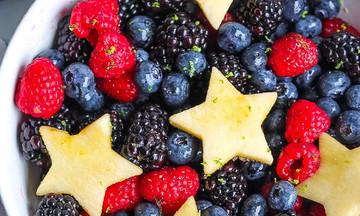
You should prepare dishes for your father made from fruits and vegetables rich in soluble, easily digestible fiber. Fiber helps the digestive system function smoothly and supports bowel movements. It is advisable to gradually increase fiber intake over several weeks to avoid abdominal pain or diarrhea. Prioritize soluble fiber, as it absorbs water, making stools softer and easier to pass. Foods rich in fiber include: whole-wheat bread, pasta, brown rice, tofu, oats, apples, pears, broccoli, avocados, blueberries, and various nuts.
In the first week, your father should choose easily digestible carbohydrates without added fat, such as: white rice, mashed potatoes, dry toast. Once the body has adapted, patients can gradually transition to whole grains and vegetables like oats, whole-grain cereals, and brown rice to increase nutrition and fiber. Patients should opt for low-fat, easily digestible protein sources such as: chicken breast, skinless poultry, steamed or grilled white fish (cod, tilapia), tofu, egg whites, skim milk, and fat-free yogurt.
After gallbladder removal, your father needs to limit foods high in saturated fats and cholesterol, including: fried foods, bacon, pork fat, poultry skin, and pastries. Avoid spicy foods, as they can irritate the stomach, leading to abdominal pain, heartburn, or diarrhea. Alcohol also needs to be limited, as it makes the liver work harder to detoxify, causing digestive disorders and affecting bile flow.
Master, Doctor Le Khoa
Department of Hepatobiliary-Pancreatic
Center for Endoscopy and Endoscopic Digestive Surgery
Tam Anh General Hospital TP HCM
| Readers can submit questions about digestive diseases here for doctors to answer. |