In modern obstetrics, a C-section is a solution to ensure the safety of both mother and baby in unfavorable labor situations. However, surgical intervention often stems from multiple contributing factors, ranging from the mother's underlying health to pregnancy complications, or mechanical pressures and fetal presentation. Understanding the reasons that increase C-section risk, as well as the immunological disadvantages for C-section babies, helps mothers prepare optimally for their child's health foundation.
Reasons increasing the risk of C-section
One of the primary reasons leading to a C-section is maternal medical conditions that arise or worsen during pregnancy, such as obesity, high blood pressure, and gestational diabetes. These conditions endanger the mother and impair placental function, compelling doctors to recommend a planned C-section to prevent complications like preeclampsia or fetal distress. Additionally, chronic infectious diseases pose a significant barrier, making vaginal birth risky due to the potential for direct transmission to the infant.
Mechanical factors and fetal position also play a decisive role. Cases of abnormal fetal presentation, such as breech or transverse lie, make passage through the pelvis impossible. Likewise, a large fetus or a disproportion between the fetal head and the mother's pelvis can easily lead to an emergency C-section. Furthermore, issues with the adnexa, including placenta previa, a knotted umbilical cord, umbilical cord prolapse, or a history of a previous C-section scar, are factors that increase the likelihood of a C-section, ensuring the safety of both mother and baby.
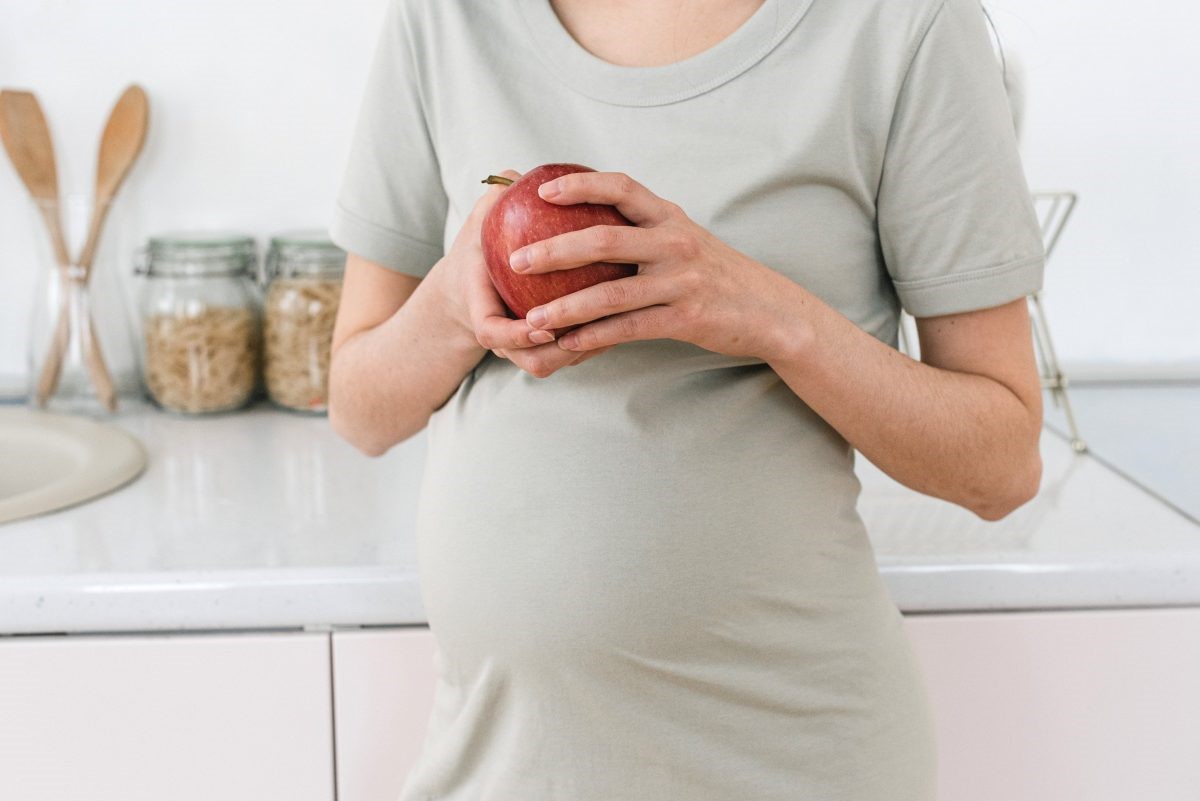 |
Mothers with gestational diabetes often require a C-section to ensure the safety of both mother and baby. *Photo: Pexels*
Immunological disadvantages for C-section babies
Babies born via C-section often have weaker immune systems than those born vaginally, primarily due to a deficiency in foundational antibodies and the protective barrier of beneficial gut bacteria. According to Dr. Nguyen Thi Van Anh of National Children's Hospital, C-section babies face a 1,5 times higher risk of immune deficiency compared to vaginally born infants, and this "immune gap" can persist until they are 5 years old.
Immunoglobulin G (IgG) is a crucial antibody in the immune system and the only one transferred across the placenta from mother to child during the final weeks of pregnancy and labor. A planned C-section bypasses the natural labor process, which can result in babies receiving up to 45% less IgG than those born vaginally. Concurrently, delayed breast milk production and difficulties in breastfeeding can interrupt the supplementation of IgA antibodies (especially sIgA in colostrum), making the baby's intestinal lining more susceptible to viruses and bacteria.
Notably, C-section babies miss the crucial "coating" of beneficial bacteria from the mother's vaginal canal, which delays the development of their gut microbiome. Since 80% of immune cells are concentrated in the gut, this delay makes infants more prone to respiratory, digestive, and allergic diseases. Finally, early umbilical cord clamping means C-section babies do not receive a sufficient "wave" of iron transfer from the mother, leading to low iron stores. This directly impacts their ability to mobilize immune cells and their long-term development.
Proactive protection of maternal and infant health foundations
To mitigate the risk of C-sections, the World Health Organization (WHO) recommends that the optimal C-section rate should be only 10-15% of total births. Expectant mothers should attend labor classes, maintain a balanced diet, and exercise regularly to build sufficient strength for a natural birth. In cases where a C-section is unavoidable, parents must implement timely immune compensation measures for their child.
Postnatal care: Practice skin-to-skin contact immediately after birth to stabilize the baby's body temperature. Adhere strictly to the vaccination schedule to create a protective shield against pathogens.
Immune-boosting nutrition: Breastfeed the baby as early as possible and exclusively for the first 6 months. When introducing solids, focus on supplementing ingredients such as Lactoferrin, bovine colostrum (harvested within 24h, rich in IgG), or IgHM (an isolated colostrum protein with a structure similar to antibodies in breast milk).
 |
Breastfeeding provides babies with valuable antibodies from their mothers. *Photo: Pexels*
Strengthening the digestive system: Prioritize products containing Synbiotics (combining Probiotics like Bifidus and Prebiotics like HMO & FOS) to balance the gut microbiome. Supplement essential micronutrients such as zinc, selenium, vitamin A, C, D, E to activate immune factors, helping babies stay healthy from within.
Experts emphasize that thorough preparation in knowledge and nutrition serves as a strong shield for mothers to protect their babies during the crucial early years.
Kim Anh