Hospitals report a 20-30% surge in cardiovascular and digestive emergency admissions each Tet holiday. Doctor Pham Xuan Thanh, from the Emergency Department at the National Hospital of Endocrinology, states that complacency in diet and lifestyle is a silent killer, disrupting family joy.
Doctor Thanh shared the case of a 58-year-old patient with a 12-year history of diabetes, hypertension, and dyslipidemia. Embracing the 'Tet comes only once a year' mindset, he disregarded his diet, indulging in continuous feasts with strong alcohol, banh chung, and organ meats. The patient also stopped his blood fat medication five days before Tet, due to the misconception of "avoiding taking medicine at the beginning of the year to prevent a jinx of illness all year."
The result was severe left-sided chest pain, leading to emergency hospitalization in critical condition. A coronary angiogram revealed an unstable plaque rupture, forming a blood clot that severely narrowed the artery supplying the heart, necessitating stent placement.
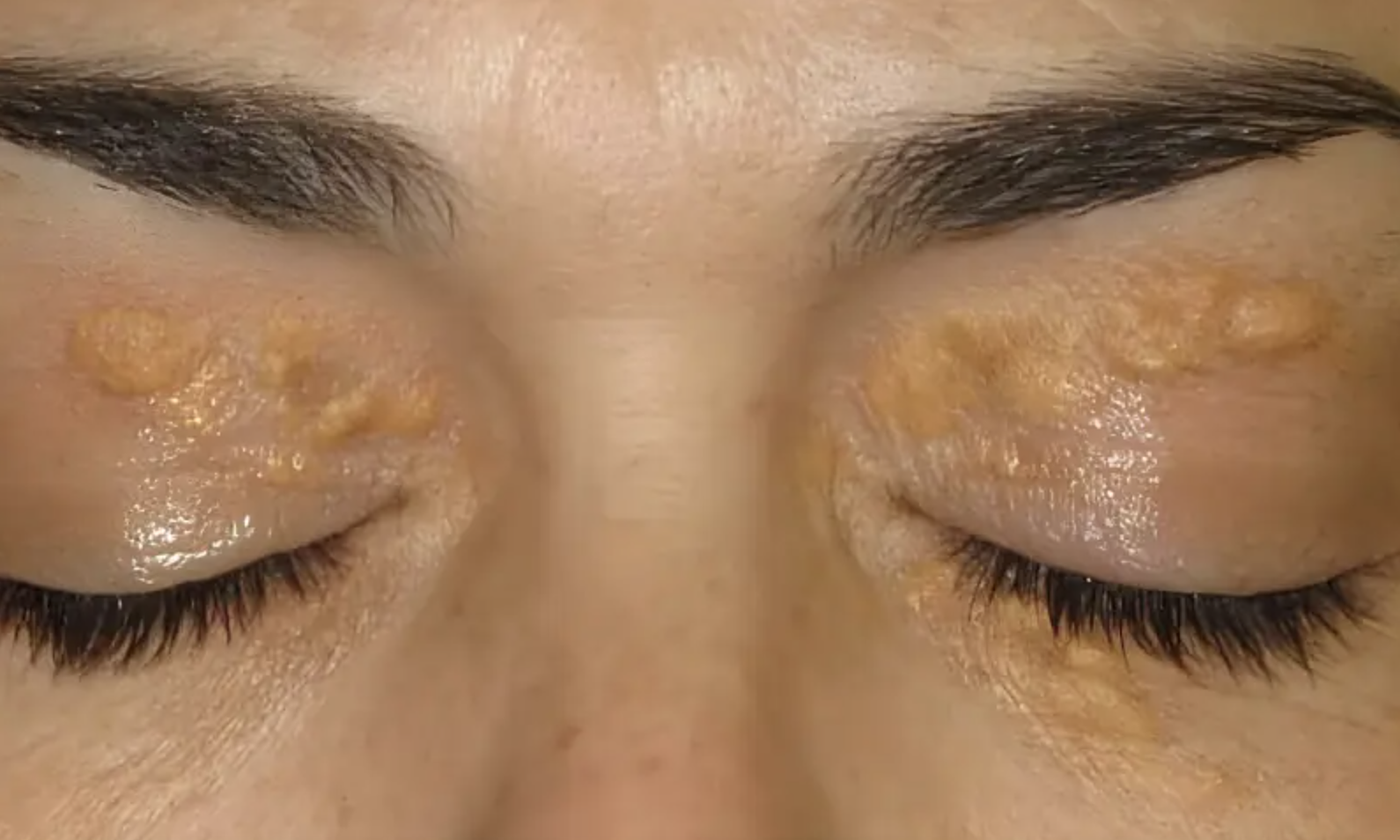
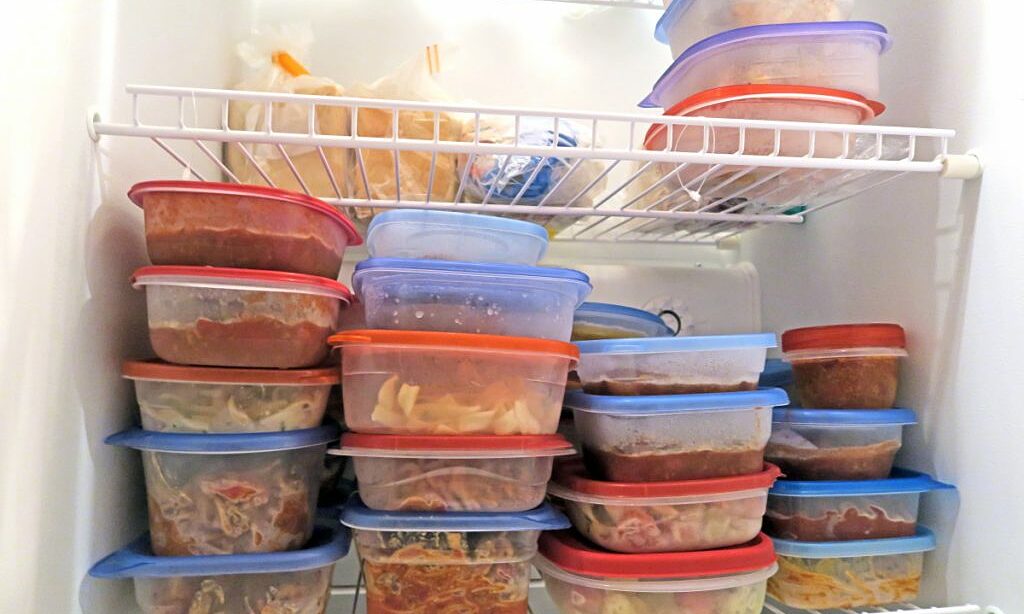
The doctor explains that unhealthy fats (cholesterol and saturated fats), abundant in jellied pork, pork head cheese, and animal organ meats, when consumed excessively, adhere to blood vessel walls, thickening atherosclerotic plaques and threatening blockages. Simultaneously, alcohol and sugary drinks cause triglyceride levels to surge. Elevated triglyceride levels increase blood viscosity, promoting blood clot formation that can lead to heart attack or stroke. More dangerously, very high triglyceride levels (above 5,6 mmol/l) can trigger acute pancreatitis – a surgical emergency that is painful and has a high mortality rate during Tet.
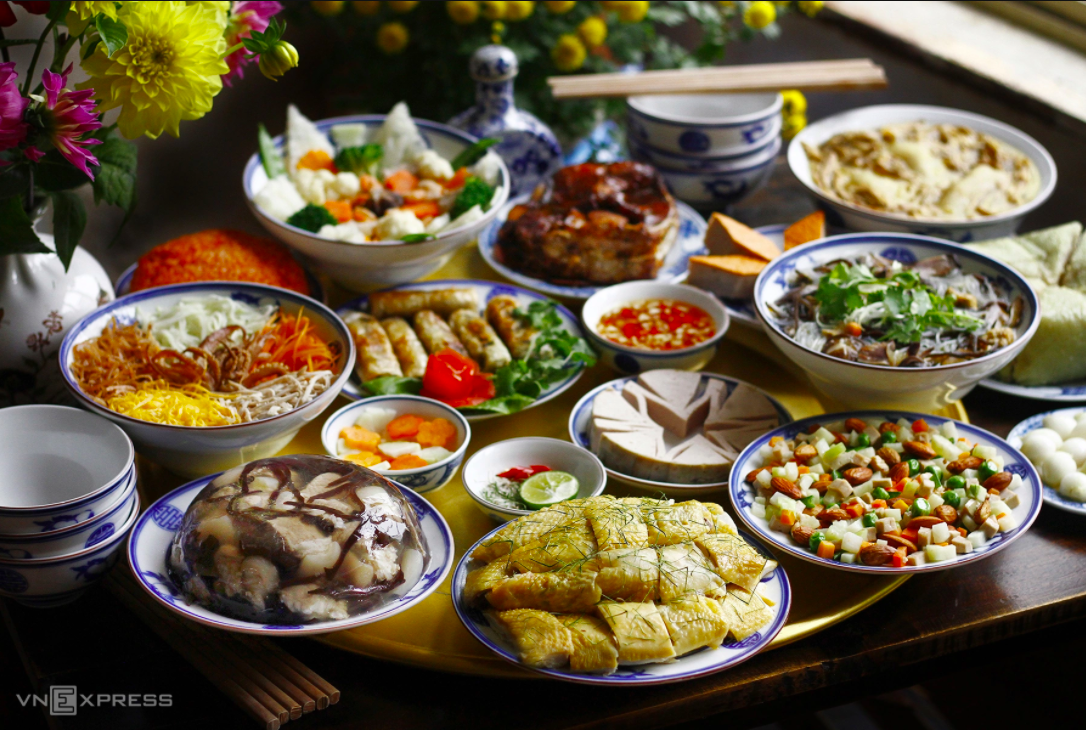 |
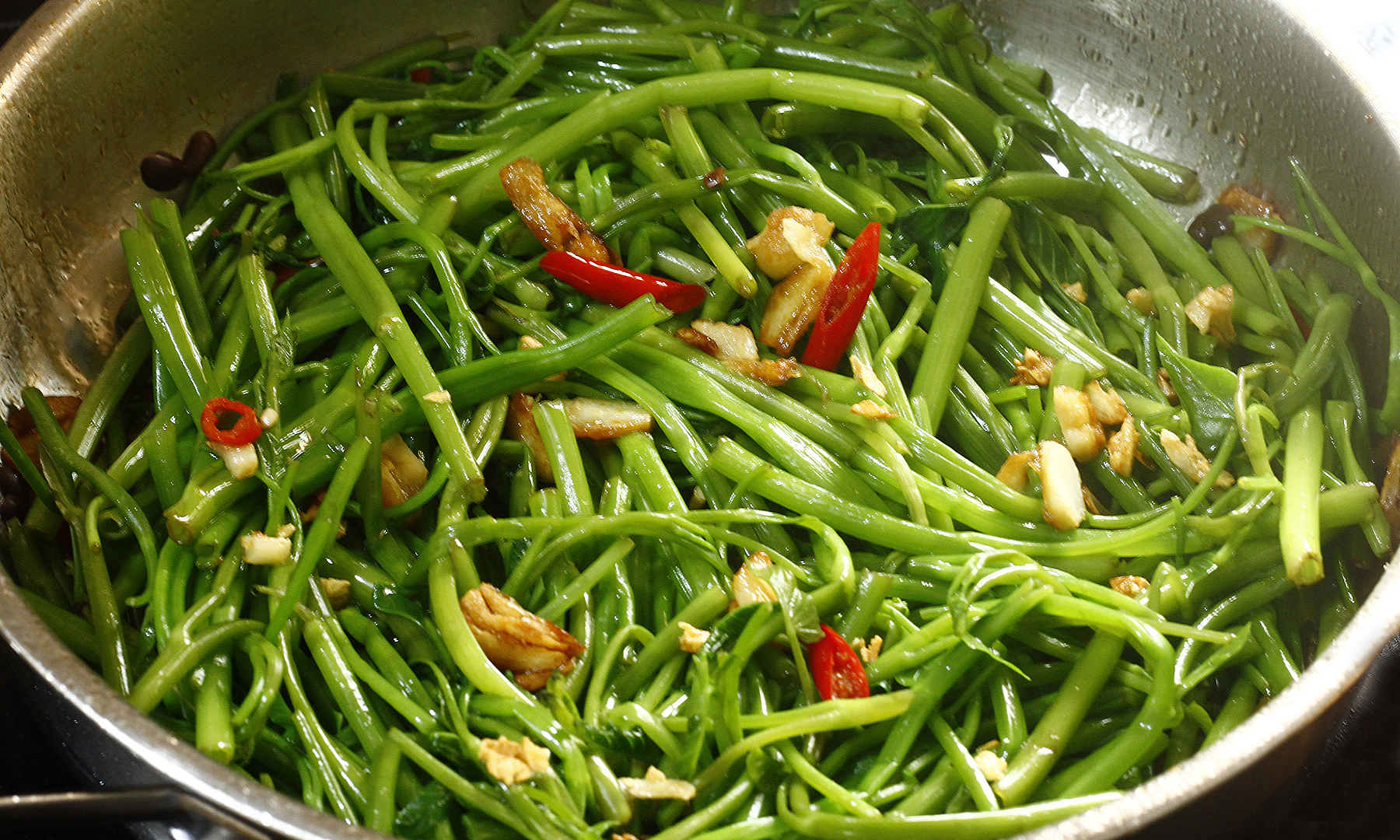
Traditional Tet feast. Photo: Bui Thuy |
To avoid unfortunate risks, the doctor advises patients with high blood fat to strictly adhere to the "3 Dos - 1 Don't" principle:
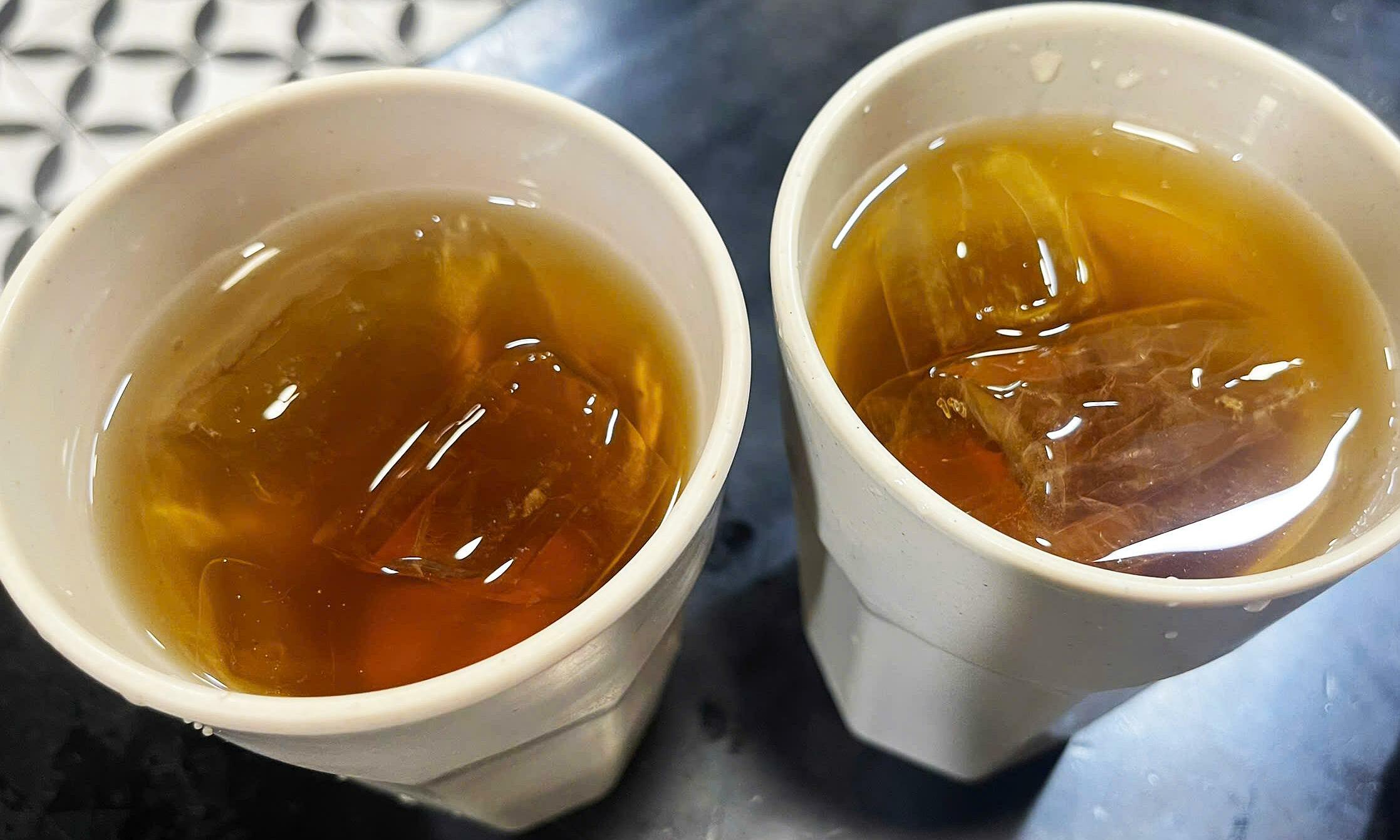
First, strictly control diet. You should apply the "vegetables first" rule, starting meals with a bowl of vegetable soup or salad. Fiber helps create a feeling of fullness earlier, while also hindering fat absorption into the body. Be selective with dishes, minimizing bone broth, chicken skin, and organ meats – dishes high in cholesterol and saturated fats. Prioritize steamed, boiled, or grilled dishes over fried or stir-fried. Additionally, divide meals into smaller portions, eat slowly, and chew thoroughly, avoiding overeating at one meal. Crucially, say no to alcohol and sugary drinks, as these are primary culprits for rapidly increasing triglyceride levels. Replace them with water, unsweetened herbal tea, or pure fresh fruit juice.
Even during Tet, maintaining physical activity is important. Just 30 minutes of walking to visit relatives, strolling in the park, or performing light exercises at home helps burn excess energy, improve lipid metabolism, and boost cardiovascular health.
Furthermore, take medication on time and at the correct dosage. This is a vital principle because "health does not take a Tet holiday." Absolutely do not arbitrarily stop blood fat medication or other chronic disease treatments. Abruptly stopping medication combined with unrestrained eating is extremely risky, putting patients in a dangerous situation. Set an alarm or ask a family member to remind you to take medication on time to avoid forgetting.
Finally, the doctor advises against complacency regarding unusual symptoms. Listen to your body. If you experience chest pain, shortness of breath, dizziness, nausea, or severe abdominal pain after a rich meal, go to the nearest medical facility immediately. Do not delay, as these signs could indicate an acute cardiovascular event (myocardial infarction, stroke) or acute pancreatitis, requiring timely emergency care. Complacency or delay will lead to unforeseen consequences.
Le Nga