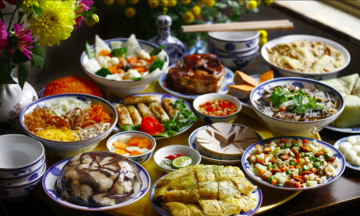
Dr. Vo Tran Nhu Thao, from the Department of Endocrinology - Diabetes at Tam Anh General Hospital TP HCM, states that most Tet dishes are high in starch and sugar. A Banh Chung, typically made with 1,5 to 2 bowls of sticky rice (approximately 200 g), about 100 g of fatty pork, and 50 g of mung bean, contains an average of 1700 to 2000 calories. People commonly cut a Banh Chung into 8 portions, with one slice providing approximately 200 to 250 calories.
To avoid weight gain, adults should consume only 1/8 of a Banh Chung, and then refrain from eating additional meat or other starch-rich foods. Avoid eating fried Banh Chung, as it uses more oil, and its delicious, crispy taste can easily stimulate overeating.
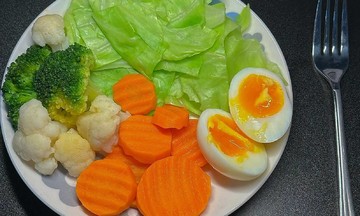
It is advisable to eat Banh Chung for breakfast or lunch, when the body is more active, contributing to energy expenditure. Avoid eating it in the evening, as this can lead to accumulation and conversion into excess fat, causing weight gain and indigestion. Pair Banh Chung with fiber-rich, vitamin, and mineral-rich foods such as: pickled onions, fresh fruit, and green vegetables to balance nutrition and support faster carbohydrate metabolism.
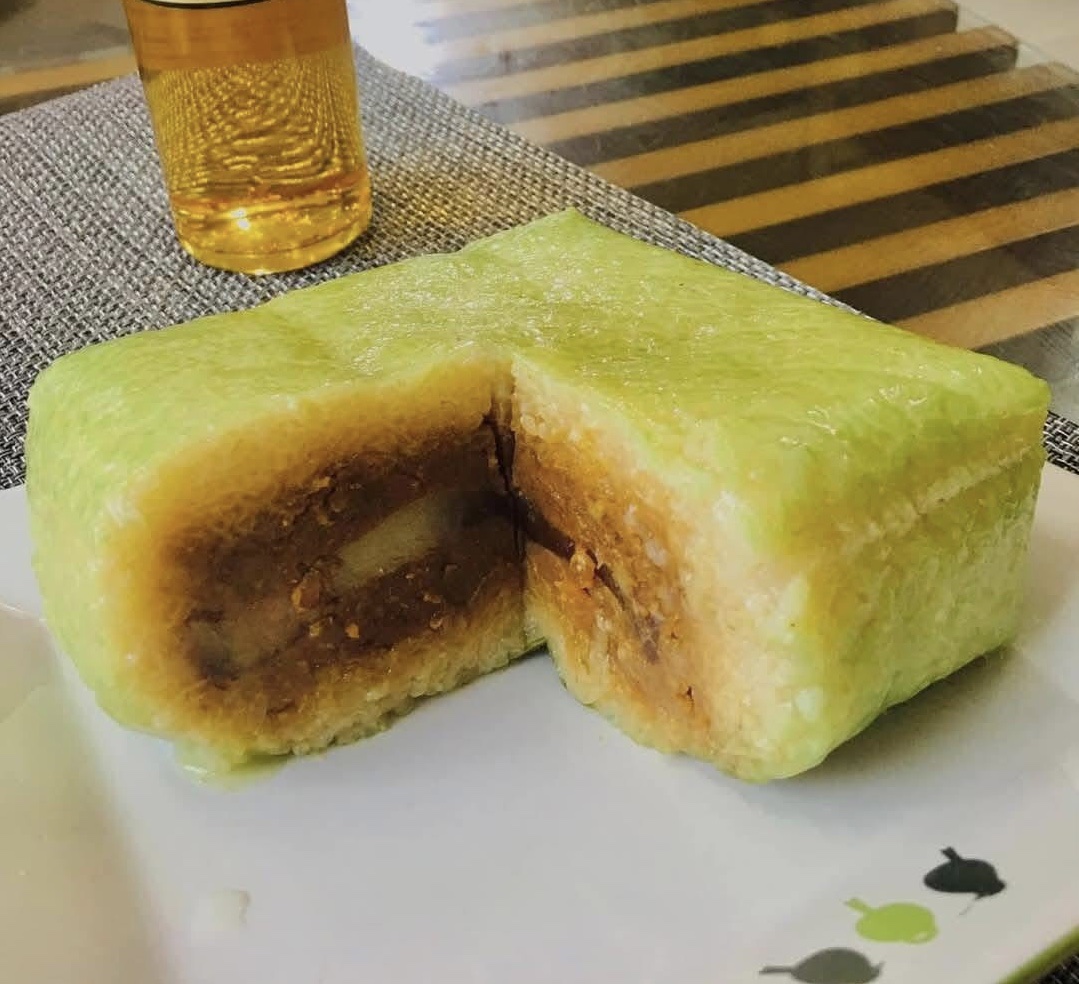 |
Banh Chung contains a lot of energy, easily causing weight gain during Tet. Photo: Duc Hanh
Thit Kho is another traditional Tet dish, but it is largely fat and can easily cause weight gain if consumed in large quantities. To prevent weight gain, opt for leaner cuts of pork belly with less fat. Avoid adding too much coconut water or sugar when braising the pork, as this increases the fat content. Pair it with fiber-rich foods such as: spinach, asparagus, cabbage, and broccoli, and avoid eating it continuously for many days.
Everyone should engage in physical activity for 30 minutes daily, such as: jogging, jump rope, or cycling. Drinking enough water, avoiding staying up too late or eating too late, limiting fried foods, sweets, and alcohol, and dividing meals into smaller portions to prevent overeating are also ways to manage weight during Tet.
Duc Hanh