Pneumonia in older adults is complex, stemming from a decline in the body's natural defense mechanisms, not just infection. As individuals age, their lungs become less efficient, making them more susceptible to bacteria, viruses, and other pathogens that cause inflammation.
A primary factor is the age-related weakening of the immune system. This process, known as "immunosenescence," diminishes the immune cells' ability to identify and eliminate pathogens. Inflammatory responses become slower and less effective, hindering the body's capacity to control infections early. Consequently, older adults are more susceptible to respiratory infections, including pneumonia.
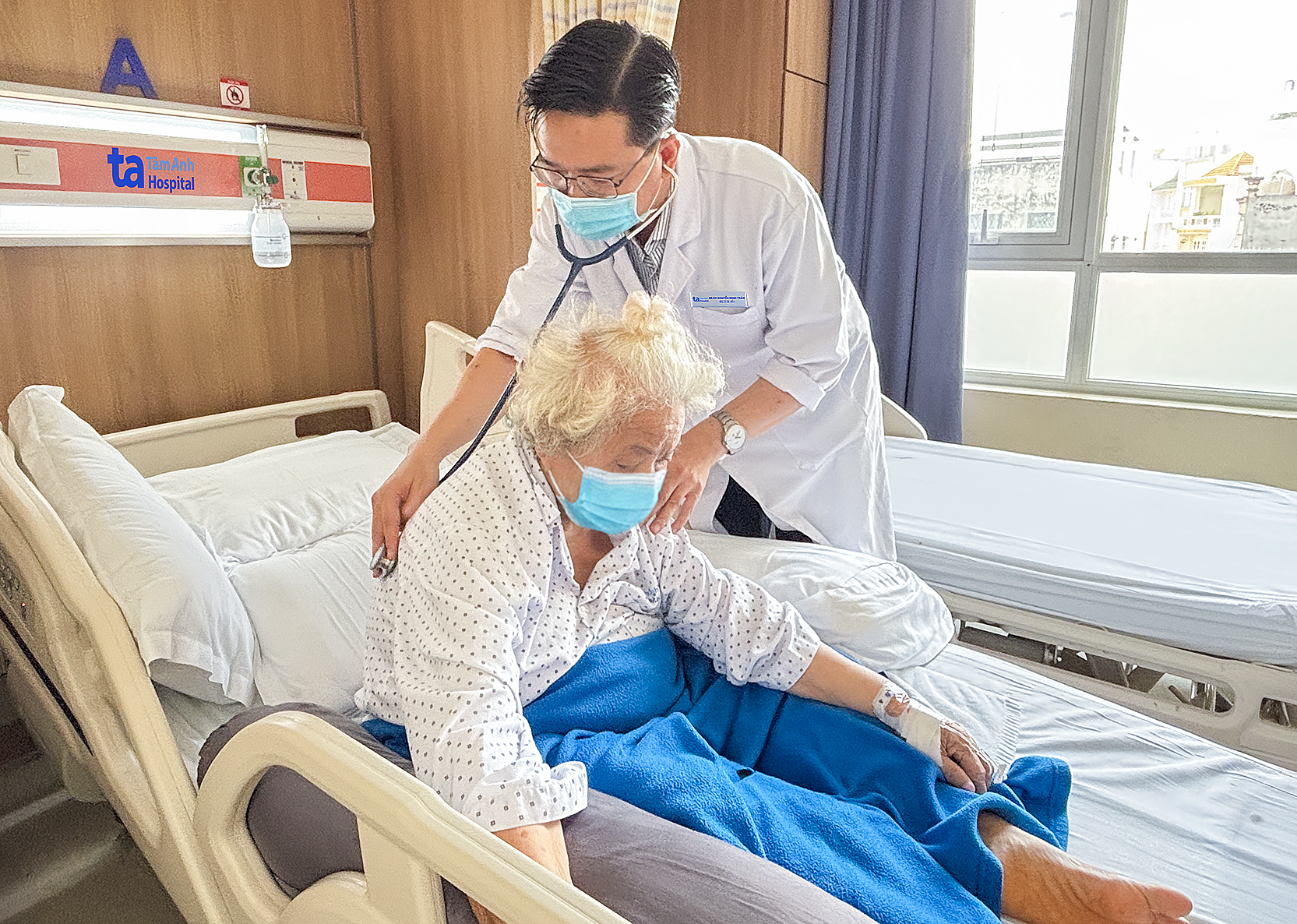 |
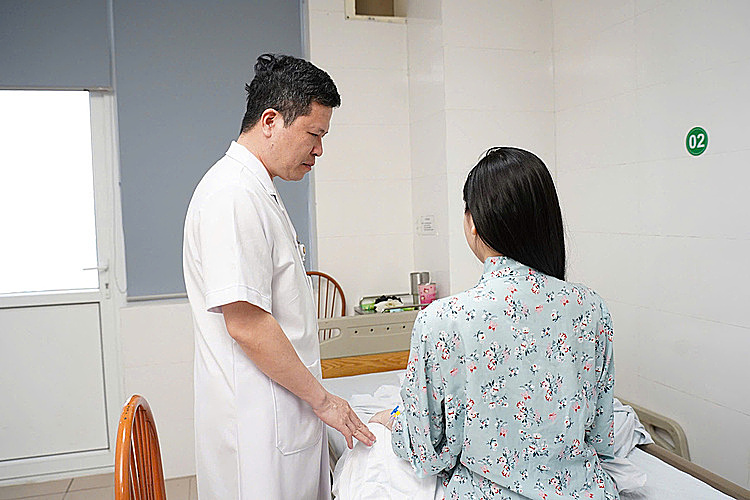
Doctor Phong examines an inpatient. Photo: Tam Anh General Hospital |
In younger individuals, the bronchial cilia effectively clear dust and bacteria. However, this process slows with age, and the cough reflex weakens. This increases the risk of mucus accumulation, creating an ideal environment for bacterial growth. A diminished cough reflex also contributes to the often subtle onset of pneumonia in older adults, leading to delayed diagnosis.
Older adults often manage chronic conditions like hypertension, diabetes, chronic obstructive pulmonary disease (COPD), asthma, heart failure, or chronic kidney disease. These conditions compromise overall health, directly impacting respiratory function and the body's ability to resist infection.
Aspiration and subsequent aspiration pneumonia are frequently overlooked causes. As individuals age, their swallowing ability and coordination between respiratory and digestive functions diminish. This can lead to food, liquids, or stomach contents inadvertently entering the lungs, triggering pneumonia.
Pneumonia symptoms in older adults are often atypical. Many do not experience high fever or a cough, presenting instead with fatigue, reduced appetite, mild confusion, or rapid breathing. These subtle signs are often mistaken for general aging, leading to delayed diagnosis. By the time the condition is identified, lung damage may be extensive, increasing the risk of complications.
Prevention is key, with flu and pneumococcal vaccinations being vital. Older adults should also maintain regular physical activity, ensure adequate nutrition, keep their respiratory system warm, and avoid polluted environments and cigarette smoke. Prompt medical consultation is crucial if unusual signs develop, such as rapid breathing, severe fatigue, poor appetite, or changes in consciousness.
Doctor Ma Thanh Phong
Head of Respiratory Unit, General Internal Medicine Department
Tam Anh General Hospital TP HCM
| Readers can submit questions about respiratory health here for doctors to answer. |