Answer:
Lung cancer is among the deadliest cancers worldwide, often diagnosed at late stages. Current international guidelines for lung cancer screening focus on high-risk groups.
Specifically, individuals over 50 years old with a smoking history of one pack a day for 20 years or more, who currently smoke or have quit within the last 15 years, should undergo an annual low-dose CT scan for lung cancer screening.
Studies by the American Cancer Society and the Centers for Disease Control and Prevention (CDC) indicate that low-dose CT in the appropriate risk group can reduce lung cancer mortality. Low-dose CT is a non-invasive technique that uses lower X-ray levels than conventional CT, with quick execution times. Conventional chest X-rays are not effective enough for early lung cancer detection.
However, low-dose CT lung screening is not suitable for everyone. Individuals who smoke below the recommended threshold or have quit for over 15 years are generally not advised to undergo routine screening due to the risk of false positives. A false positive result can lead to additional tests, even biopsies, causing unnecessary psychological stress.
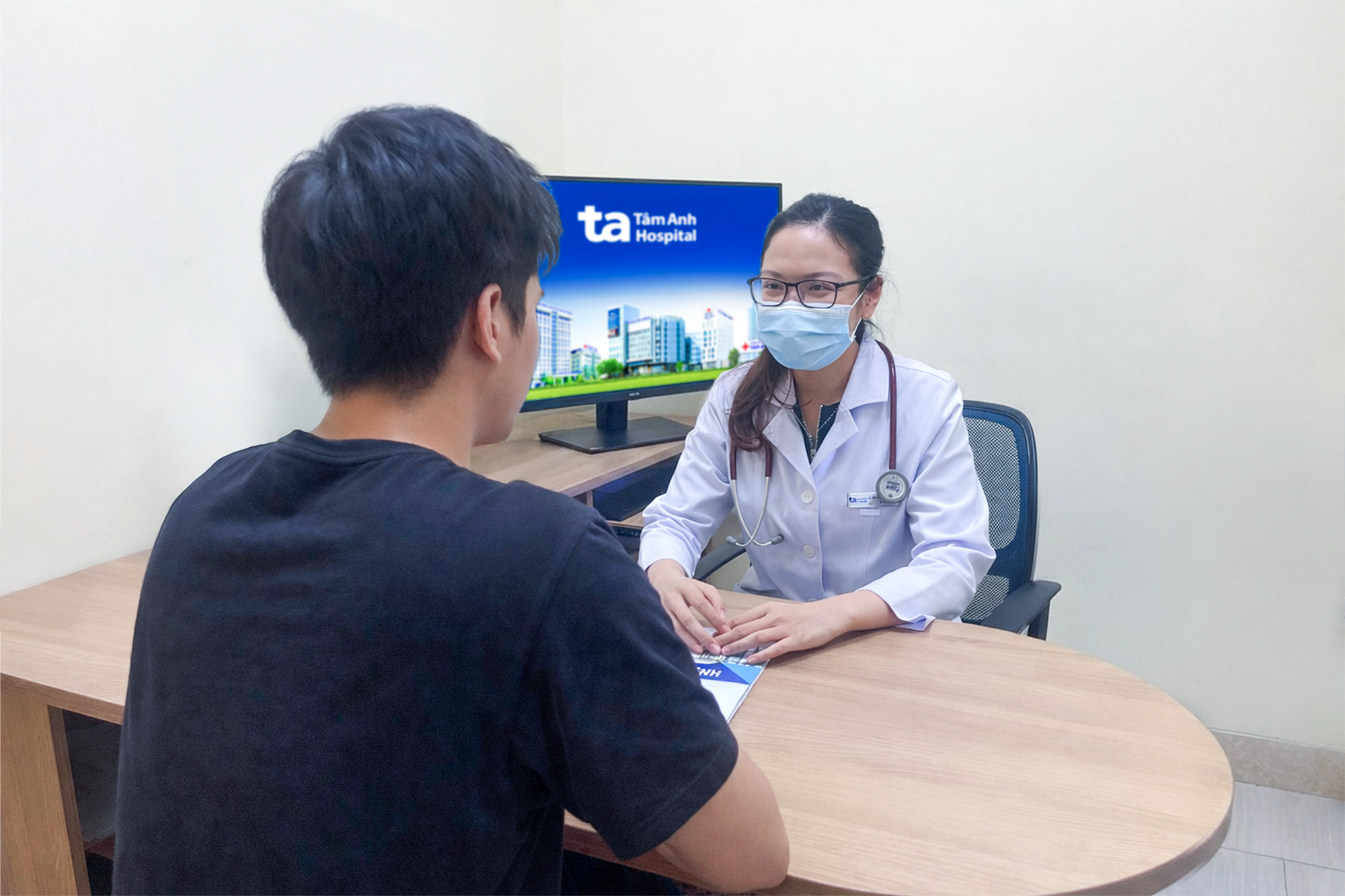 |
Doctor Thuy examines a young man. Illustration: Tam Anh General Hospital
Screening is intended for individuals without lung cancer symptoms. If symptoms such as a persistent cough, coughing blood, ongoing chest pain, or unexplained weight loss appear, individuals should seek immediate medical evaluation rather than waiting for a scheduled screening.
The most effective preventive measure remains smoking cessation. While screening aids in early detection, it does not replace eliminating the primary risk factor. Smokers should discuss their risk directly with a doctor for an assessment.
Master, Doctor, First Degree Specialist Nguyen Thanh Thuy
Department of General Internal Medicine
Tam Anh General Hospital, Ho Chi Minh City
| Readers can submit respiratory questions here for a doctor's answer |