Dr. Doan Minh Thanh, a dermatology specialist at Tam Anh General Hospital Hanoi, observed red, flaky patches concentrated in sebaceous gland-rich areas, including behind the patient's ears. These locations are characteristic of seborrheic dermatitis, a common chronic skin condition often mistaken for dandruff. While dandruff mainly causes scalp flaking, seborrheic dermatitis involves more pronounced inflammation, appearing as red, scaly skin that can recur in flare-ups.
Dr. Thanh diagnosed Chi Lan with dermatitis associated with Malassezia yeast, a microorganism commonly found on the skin, especially in oily areas. In some individuals, the interaction between skin microbiota, sebum production, and immune response can trigger an inflammatory reaction, leading to flaking and redness.
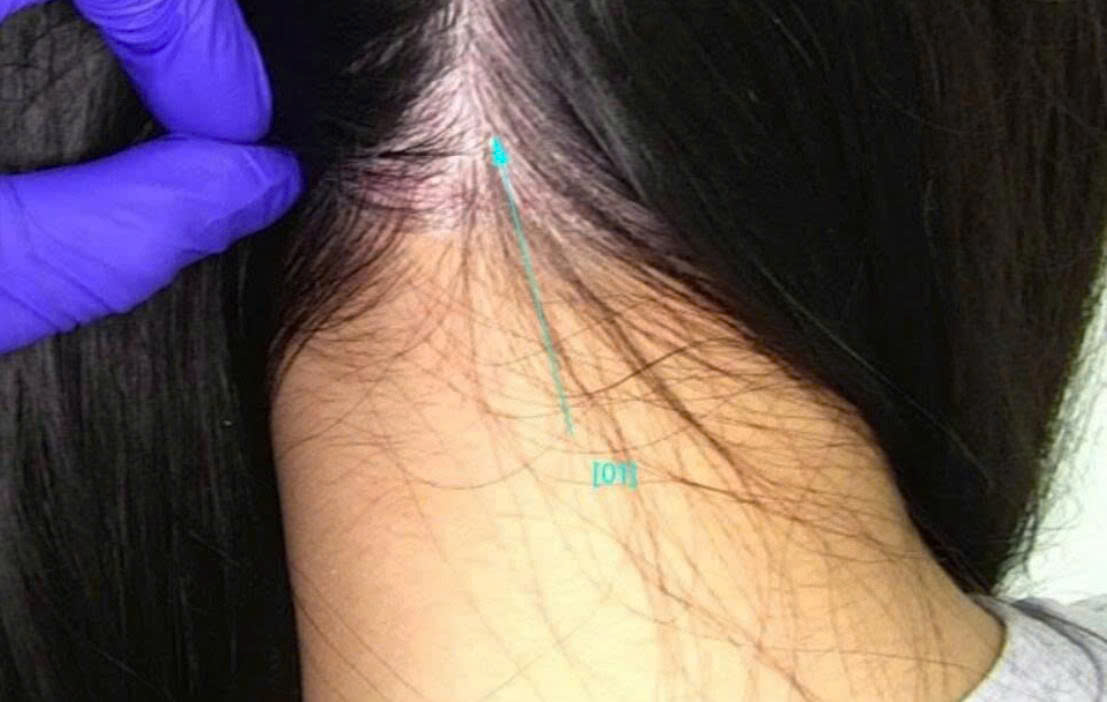 |
Seborrheic dermatitis lesions appeared on Chi Lan's scalp and hairline. Photo: *Tam Anh General Hospital*. |
Seborrheic dermatitis tends to become chronic, with periods of reduced symptoms interspersed with flare-ups. Cold or dry weather, stress, lack of sleep, and certain environmental factors can exacerbate symptoms in some individuals.
In Chi Lan's case, the lesions were severe. Doctors prescribed a topical corticosteroid and an antifungal, scale-reducing shampoo. After two weeks, the flaking was controlled, and skin inflammation decreased. The patient needs a follow-up appointment after 20 days for the doctor to re-evaluate and prescribe maintenance medication.
Dr. Thanh advised patients not to use topical corticosteroids for extended periods without medical supervision. While the medication can quickly reduce redness and itching, incorrect use can cause skin atrophy, telangiectasias, and other side effects. Constantly changing shampoos or using multiple anti-dandruff products simultaneously can also cause irritation, making symptoms difficult to control.
Patients should use appropriate shampoos, regularly clean their scalp, avoid scratching or picking at flakes, and limit irritating styling products. Once symptoms stabilize, doctors can provide guidance on maintenance care to prevent recurrence.
Seborrheic dermatitis is not contagious and typically does not cause permanent hair loss. However, excessive scratching can abrade the skin, increasing the risk of infection. The goal of treatment is to control inflammation, maintain a healthy scalp, and prevent recurrence.
Individuals experiencing persistent flaking, redness, and itching of the scalp, recurrent episodes, or no improvement with anti-dandruff shampoos should consult a dermatologist. If flakes are thick, lesions are widespread, hair loss occurs in patches, or there is fluid or pus, patients need to be examined to rule out psoriasis, scalp fungal infection, and contact dermatitis.
Thanh Ba
| Readers can submit questions about dermatology and cosmetic dermatology here for doctors to answer. |